My Brother’s Keeper

Gristled surfers, ink-garlanded muscles and snap-thin-bone bodies guard the beach in Maroubra, all intent on getting their share.  The waves boom and crash in this Aboriginal place of thunder, then hiss and crinkle as they meet land, easing to welcome sand-soft toes and a toddler’s giggles.

Strung out between Coogee to the north and Malabar to the south, Maroubra curls beneath the brow of of Long Bay, home to the notorious Correctional Centre and the Anzac Rifle Range. Beneath this insidious gaze Maroubra shines as an example of beach life with white sands in a cursive swoop, legendary surf breaks, open space, chock-full milk bars and a proud working class narrative.
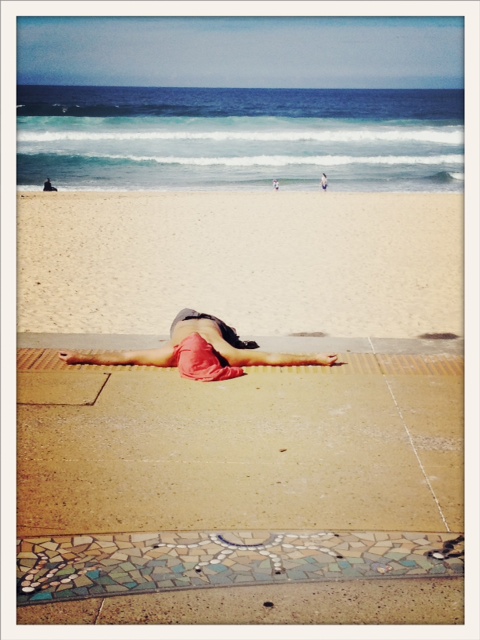
Here the dog days of summer never fade, wolfishly roaring deep into the night. Thongs and shorts, skimpy bikinis, nanna one-pieces, striped towels, floppy hats and flesh are the uniform of the day. Sandy hands clutch hot chips and rainbow-flavoured drinks, beads of chill dripping into the sand while gulls whirl and collide above, savagely bent on their target.
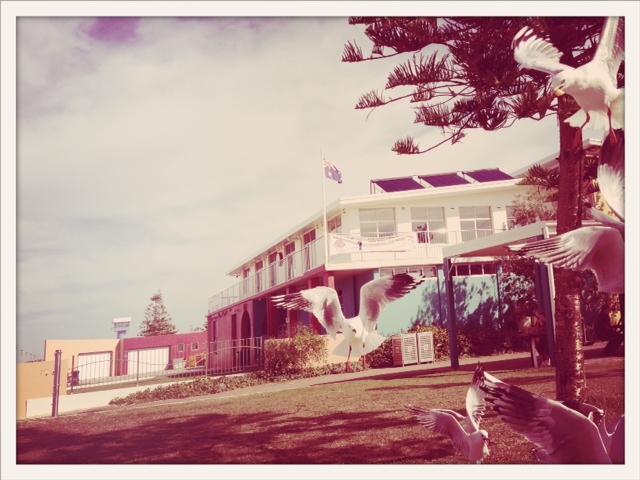
Families flock to the beach with guttural joy,

“I’ve told ya’s before ya little buggers! Youse gotta wear’em.  Yeah darlin’, that lady’s got boobies… Nah mate, nah. Leave it on yer head… JAYDEN! WILL YOU BLOODY LISTEN! COME BACK HERE NOW… Ah, sodjus”

spilling across the sands. Mums corral slippery kids into bathers and out of picnic baskets, an old couple take the air, long-limbed teens flop lazily in front of each other and a tradie stands solemnly, watching the surf. There’s a retro family feel, people piling out of battered station wagons to escape hot seats, nippers racing into the waves, corned beef sarnies wrapped in white paper and past-their-prime gumball machines:

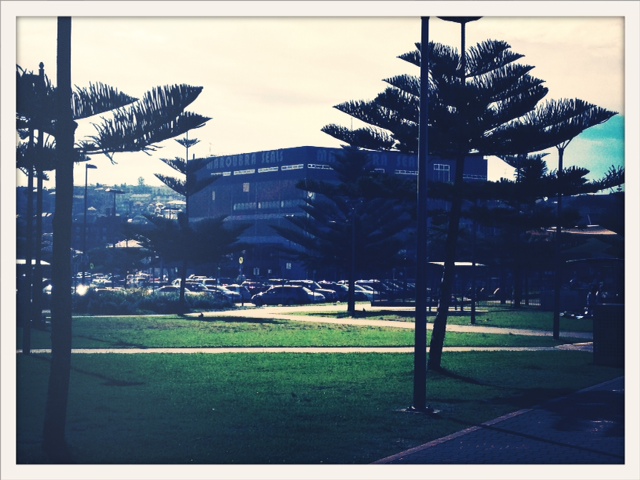
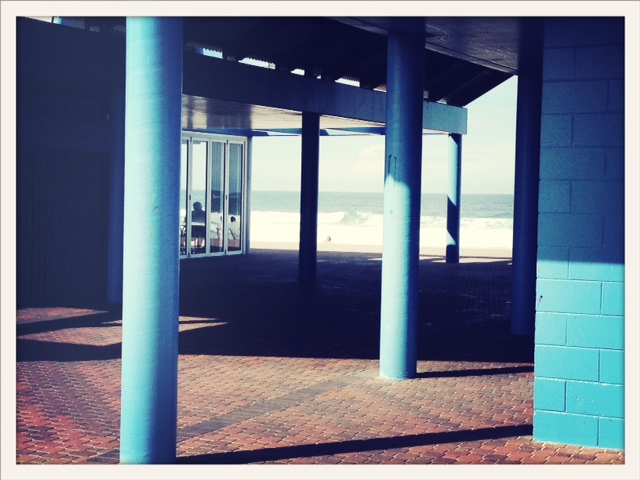
Back from the sweep of sand the Maroubra Seals sports club stands over the front with an imposing gesture, a mechanic, a hotel and a Thai joint it’s only companions on a strip that should be bustling with business:

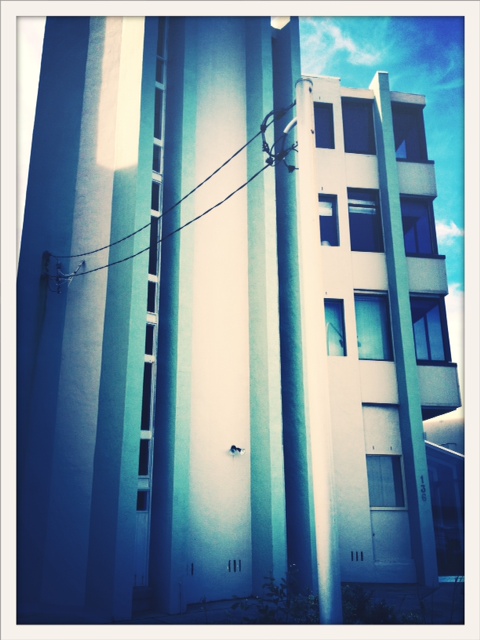
There is a palpable sense of space. To the south of the beach Magic Point is an unexpected swathe of bushy camouflage, the towers of Long Bay looming in the distance; to the north, apartment blocks line the front in an orderly if dated line. It sparks a rare thought: where is everything? Expansive beach? Check. Surf club, sports club, RSL club? Check. A sprinkling of diners and caffs? Check. Pub? Check. Thai? Check.
That’s it. That’s all there seems to be. Where are the shops? Where are the cars? Where is the sterile anonymity of the local supermarket with its Argentinian garlic and Brazilian mangos? Too-small-for-you and made of nylon clothes? Red Rooster?

Nope. Not here.

Tiny McKeon Street leads away from the ocean and is dotted with a hamburger joint, a posh neo-European-Australian fusion place, an organic caff and a milk bar. The secretary opts for fish, chips and hot tea [I can always rely on her when tempted to guzzle cold beer and smoke Cubans] and settling down beneath a shady gum we watch as life strolls blithely past. The secretary comments that she finds Maroubra vaguely sparse, that there is an emptiness she cannot put her finger on. I remind her all her fingers are attached to hot chips and she agrees, maybe it’s nothing.

She is right though. There is a shrouded sense of something else, and the scent of a counter culture lingers. Though it is lacking the coastal ostentation of its more northerly sisters, Maroubra is not without pretence. It’s no secret that for all the recent gentrification (of which I find little evidence beyond boarded up work sites, wet concrete and the noise of hidden machines), the suburb is tattooed. It belongs.

Raw with pride, the Bra Boys are Maroubra’s infamously territorial surf mob, known for their clashes with authority, fierce loyalty to each other and an autobiographical doco entitled Bra Boys: Blood is Thicker Than Water that lifted the lid on the darker side of the suburb.

The surfing brotherhood with the flesh-inscribed motto My Brother’s Keeper, worn as an inky lei, is a fierce reminder of the poverty and social dislocation in the area, of the rite of passage from boy to man and then on to the testosterone-fueled angst that lolls on car bonnets, struts the front and owns the sand.

Koby Abberton
Image courtesy of Newsphoto

As a term, surf culture tastes vanilla and invokes frangipani-patterened boardies and Hawaiian Tropic, bleach blonde hair and the smell of salt and sex wax. In Maroubra a darkness lurks behind the stereotype, shadowed with controversy, hard stares and the sense of solidarity ingrained within an estranged extended family.
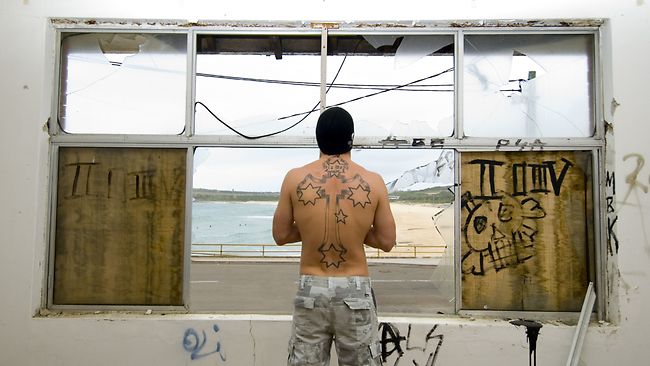
Image courtesy of Newsphoto

At the My Brother’s Keeper concept store you can buy surfwear emblazoned with slogans and gaze at walls tiled with faded photographs that tell the story of the tribe. There is a message that reads:

My Brothers Keeper is not a Gang, it’s not a Fashion Label it is a Way of Life. It is a belief that nothing comes before your Friends & Family. It is for all Races. Whether you are Australian, Asian, American, African, Middle Eastern, European or from Fucking Mars…

Amidst the clamour of distaste for the Bra Boys, the veiled taints of racism and a pervading fear, it is clear that this is a family and it protects its own. Though the angst sweats uncomfortably in some of the creases of Maroubra, the tribe are part of what gives this place its unconventional, retro beauty.
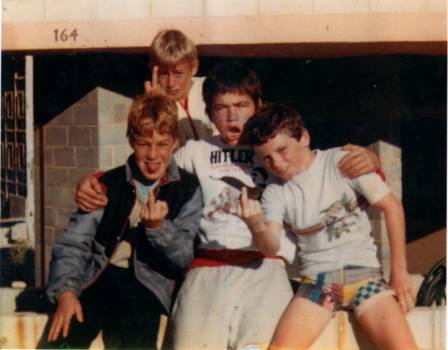
The early years

Born to surf

[Images courtesy of Newsphoto]

In a forest of houso blocks just metres from the front, the sun shines gently through mature trees, sofas stand sentinel in front yards strewn with life, and kids hang off the gates. There is a vibrancy, of life lived despite its hardships.
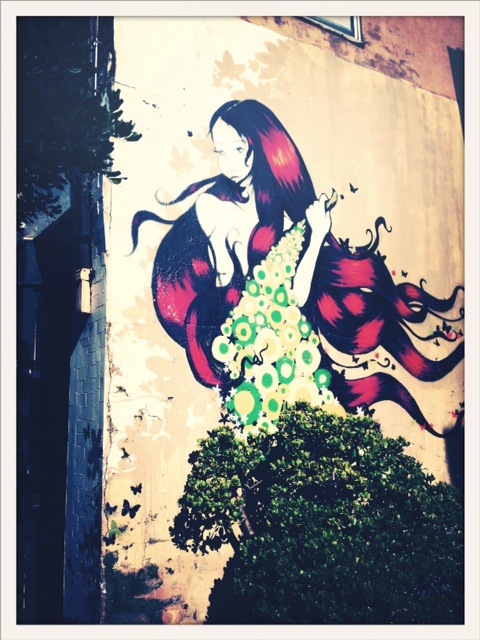
Steeped in rank seawater and rust, Maroubra has been described as a ghetto. While it is a hard-edged city surf beach that has a visceral realism, a rare find in a plastic fantastic world and the natural beauty is undeniable, this is a long way from the ghetto.

The pounding waves define not only the bay but the life its people lead. The ocean slamming into the rocks is the inveterate battle of the elements, the shaping-up of the forces of nature. It conjures a sense of perpetual change, of expectation and escape and there is no denying the serpentine break born of this conflict is at the wild heart of this gritty suburb.
A Midnight Star

I have a memory, floodlight with nostalgia, of an achingly cold building lost in the suburbs. Yet though her eyes were blind and haunted, dark slots in a weathered face crumbling with decay, the heart of this one-time beauty still pounded.

Her glory days were over, but that night a mob milled beneath guttering street lights out the front, the bell was pressed, the side door opened and we were ushered deep into the guts of a swirling, pulsing riot of sight and sound.

The year was 2002, the heart belonged to the Midnight Star, a derelict deco theatre left to waste on Parramatta Road in Homebush, and the celebration was a wild night of bright lights, big sound and thudding escapism.

Time I went back to see what this slice of Sydney looks like now.

With the secretary in tow we cruised the strip, neglected, decrepit and dank. This main artery west emits a sense of morose despair, of having fought and lost. Clinging to the asphalt the boarded windows clutter shoulder to shoulder,  their purpose lost to a more prosperous time.

Glancing up at the boarded-up front of the Midnight Star, once the epitome of elegance in a working class suburb, it’s hard not to shudder at her demise, the sad culmination of time marching by.

Once the audience’s muse, who can claim to love this place now?

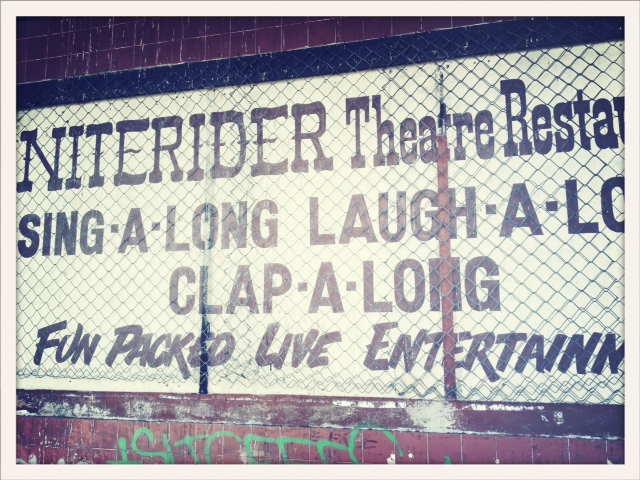
Built as the Homebush Theatre in 1925, in its heyday the Midnight Star encouraged crowds that snaked around the block, flickering flights of fancy the taste of the future. Renamed the Vogue Cinema this place had a palpable sense of owership, of belonging. Yet in 1959 the reels stopped rolling and the Star became an ice rink, before being refitted again and turned into the Niterider Theatre Restaurant, promising the world:

The old girl’s last incarnation was as the Midnight Star Reception Centre, which clung on until 1996 before the site slumped into derelict resignation. And that was when it was loved, briefly; as nature ripped at the seems and the cold closed in, the building became the heart of a community again. Coined “a theatre for the dispossessed” the Star was embraced by the Social Centre Autonomous Network, (‘squatting activists who occupy and organise around squatted buildings’) and in 2002 the Midnight Star Social Centre was born, an experiment in autonomous direct action. It was a non-residential space focused on creating a space outside the control of the state and market, a reclamation of public space that ‘no longer exists under capitalism’.

Featuring a pirate cinema that screened unusual and rare films, including Hindi films for the local Indian community, the lobby became home to a phalanx of hard rubbish computers, sparked-up and ready to surf, the downstairs bar a clamouring meeting space for activist groups and the cavernous ballroom – soaring ceilings lit by vast chandeliers and ruby-red velvet drapes – a venue for gigs and thumping sound and dancing tribes.

The halcyon days of this new life were short-lived, but for 10 months the Star thrummed with activity again. Inevitably, in the post-Olympic security frenzy and in the face of fractured WTO protest, the media wrongly identified the space as a nerve centre for anarchists and violent and politically motivated dissent. By December 2002 SCAN were forcibly evicted and the theatre left empty again, echoing sadly.

Today the Midnight Star shines inwardly and only to herself, a translucent memory of a happier time. The stutter of her heartbeat is barely audible and could be mistaken for pigeons in the roof.

Across the road the deliciously insalubrious Horse and Jockey pub squats ungainly on the corner. It’s an old-timers joint, tiles slick with age and Friday arvo teetering totty, collecting glasses and tips in their knickers.

But it is a place to meet in a strip that sags tiredly, beset by the clang and hiss of never-ending traffic.

The name Homebush is thought to refer to the pastures that drovers would camp in en route to the saleyards, located in what is now Flemington Markets. Reaching the end of their journey through the bush the drovers would settle in the lee of the yards and adopted the name ‘home bush’. Today there is little that speaks of home here but a kind word from a random stranger,

“Are you looking for something? Oh. Homebush? There’s more over there, the other side of the tracks.”

piques our interest and we scuttle away from the screaming road towards the other Homebush, shaded beneath vast gums far from this dust-choked despair.

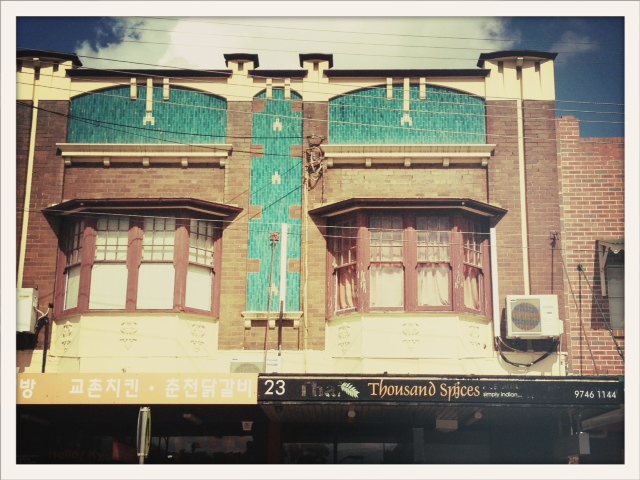
It is a tidy town, huddled quietly along a street at right angles to the train tracks. While not entirely integrated Homebush is far from discordant. It is a quirky mix of blue-rinse perfection in a timely fashion and the scented glory of an ingrained Indian and Sri Lankan Hindu community, ripe with the spices of another life and happy to share.

From a neatly ordered line-up of Federation and inter-war fronts, tidy shops spill onto tidy pavements where passers-by step aside for the tin lid and his trolley. Tidy front yards display prize-winning blooms and the scent of cardamom spins my head in search of its source. We stop for a sticky-sweet cup of chai and glance around at a world from the past. It is peaceful here, a calm systematic amalgamation of very different worlds. The houses have a simple elegance, muted, functional and conservative:

Perhaps the shy, staid elegance on show here is thanks to the suburb being shaded by Sydney’s white elephant, the echoing Olympic Park. Vital for the Olympics, no-one seems to know what its purpose is now. Aside from creating a shadow. And spawning a rash of boxy housing developments that lack not only character but increasingly tenants. But this little suburb, once the writhing, bellowing stock pen for Sydney’s meat market, benefits from its relative anonymity next to the elephant. From here Homebush can continue its leisurely stroll into the future.

If the Midnight Star had been located here she might still shine as gloriously as she once did, protected and cherished as the heart of the community.

The Most Polluted Beach in Sydney

Boat Harbour squats at the end of a great sweeping curve of golden sand that flexes along the coastline from Cronulla. The shoreline stretches past sand mines and jagged 4WD tracks that scar Wanda Beach, on to the oil refinery that sits on the finger of the Kurnell Peninsula like a gaudy bauble. Amidst this, Boat Harbour has the less than salubrious distinction of being the most polluted beach in Sydney, yet I can barely contain my childish excitement to be back, cowboy and tin lid in tow.

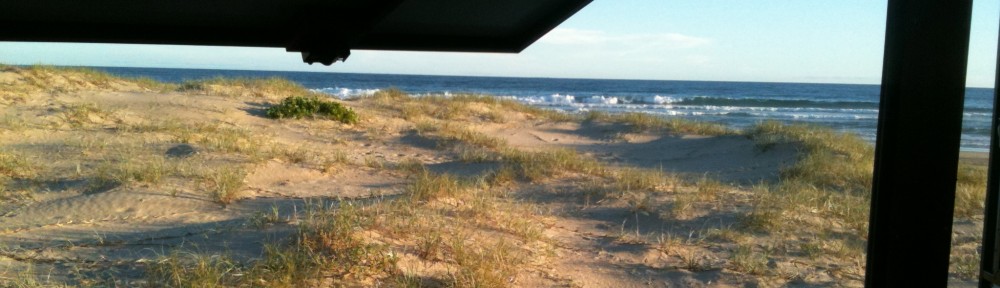
Pockmarked and weatherbeaten, Kurnell is an a solitary place. As the truck trundles past hurricane fencing topped with gnarled barbed wire on one side, shady groves that hide pools of water on the other, the sand track smells of the ocean and leads us ever seaward.

This scarred environment hosts a horde of parasites, from sand mines and chemical companies to the ghosts of feature film landscapes and a gangster’s silence. They say the dunes are littered with bodies and that ‘bits’ of Sydney’s underworld are turned up by curious dogs, metal detectors and the ghoulish.

Aside from the Wanda Beach Murders, tragically long unsolved, the legacy of a gangsters’ world merely adds to a desert land already immortalised as the sandy apocalyptic vista of Mad Max: Beyond the Thunderdome and the war-ravaged location of The Rats of Tobruk.

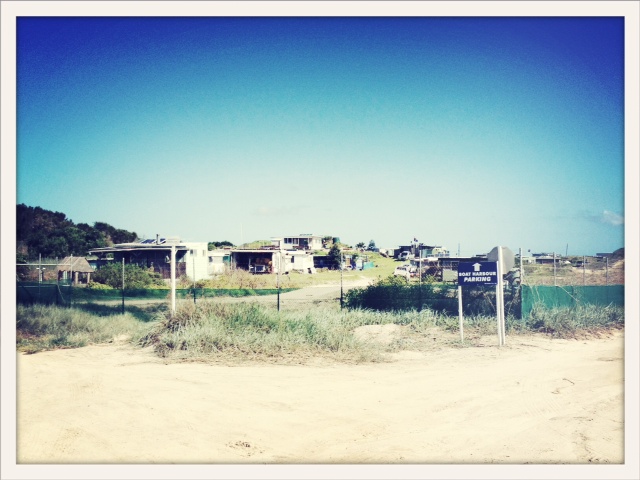
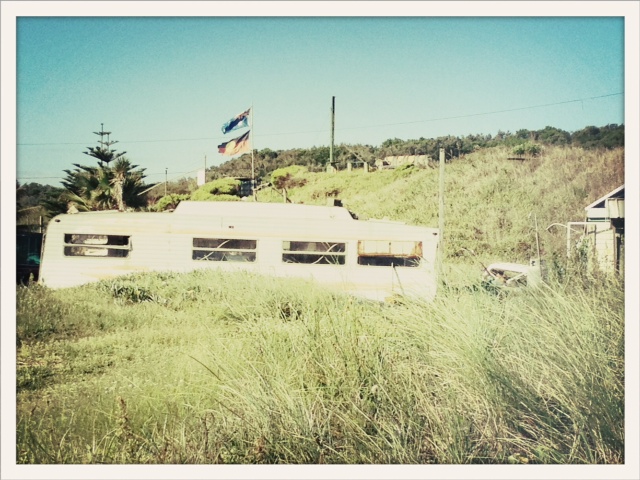
But it’s not all sand. Boat Harbour has a proud population who live in a straggle of shacks, shanties and listing caravans that curl like a cheap plastic necklace around the bay.

Love a sandy track

Love a sandy track

Shanty town

But the ocean sings its siren song and we bypass the dunes and her inhabitants, intent on the shore,

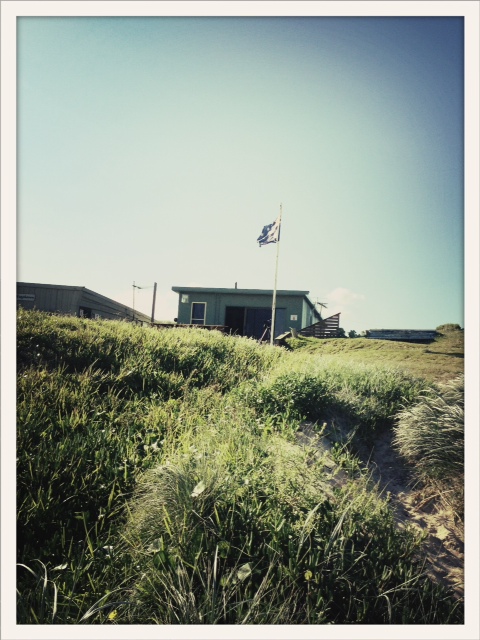
where we meet the ranger, Southern Cross flying proud. He doesn’t like us. Something to do with a sound system and a mob of dancers ten years ago…

A N Y W A Y

My attorney advised me not to talk about that.

Heading east along Wanda Beach

Having negotiated the ranger we slip-slide along the water’s edge before turning back to Boat Harbour…

A 150m curve of south-facing beach formed behind a 50m wide break in the sandstone rocks, and sheltered by the low-slung rock platform of the Merries Reef, the harbour is protected from the biting southerlies that lay waste to the coast. While the Voodoo Express churns past, an infamous surf break that shunts surfers from Cronulla to Voodoo Point, the bay is calm and glassy. The roar of 4WDs and the sting of flying sand fades, an insipid sun now beats hot and the essence of this wild southern beach is gone. A swag of bare-chested locals sits on plastic pub chairs in the lee of a caravan, downing cold stubbies and watching the waves. Their fists clink around the tins, heavy with tarnished silver, skulls jostling for position with peace signs, and their contented insouciance is palpable, lulling almost.

Established after the first world war, the shanty town began as a fishing spot, an escape from the vagaries of a crumpled world.  Amid the rusted tin and fibro mansions there is a simple beauty, and while the onshore wind disturbs the scent of diesel it brings with it the fresh tang of oxygen and seaweed. Munching on a bushy’s lunch of hard-boiled eggs, bread and hot, sweet tea, we gaze at this alternative wonderland, a place that gazes back square-on, a sandy outpost crouched  in an over-industrialised wasteland.

The world’s greatest fibreglass sheep

Most beautiful is the one-eared fibreglass sheep the tin lid found…

The beach that stretches between Boat Harbour and Cronulla is in rehab; now that the 4WD park is closed, nature is beginning to reclaim what the petrol-heads churned beneath flat sand tyres. At the farthest end of the beach Cronulla, capital of the Shire, is a series of oblong shapes, a kid’s block set aged grey. The distance between the two places grows ever further as the fresh grasses grow higher.