My attorney advised me not to get sick. She patted my fevered brow and told me to lay off the synonyms, put down the allegory and retreat from this cataloguing of quirk.
Ignoring her advice, as one is wont to do in the face of a rampaging word habit, my verbal strength failed me. I found myself surfing a wordless wasteland, devoid of Australiana, though certainly not culture-less: I discovered hot purple lint beneath the bed, a significant crack in my favourite liquor jug and a preoccupation with gossip of the lewdest nature. The Tin Lid and the Cowboy learnt to approach bestowing Who magazines and gin, with caution flickering in the whites of their eyes. And we have run out of cheese.
But fear not. The search is back on, laced with vim and promising Australiana in spades. The Secretary is braced for intrepid retrieval; she has purchased new pointy pencils for her scribblings and is wearing double band aids on her potential bunion blisters. My attorney is relaxing on a beach with a molotov cocktail, grooming herself with a small Spanish man.
All is good in the world.
I have found a dinosaur, kitted out in kitten heels, a behemoth whose wears its continued relevance as a shiny badge of pride on the latest Prada sleeve.
Straddling the criss-cross of tracks at Redfern Station, Carriageworks to the north, loco yards to the south, Eveleigh is a flirting anachronism that melds past, present and future.

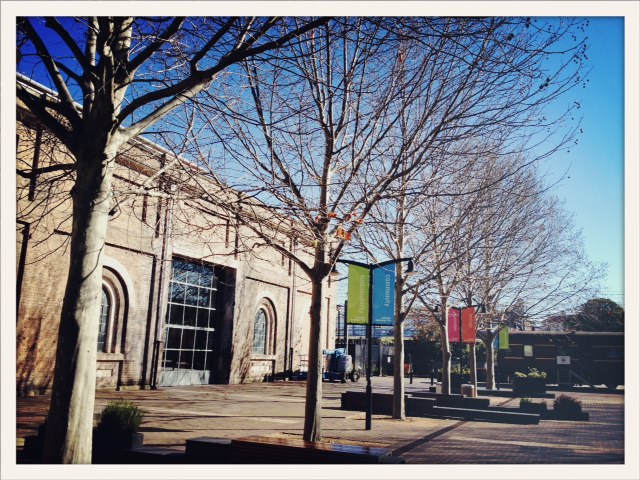
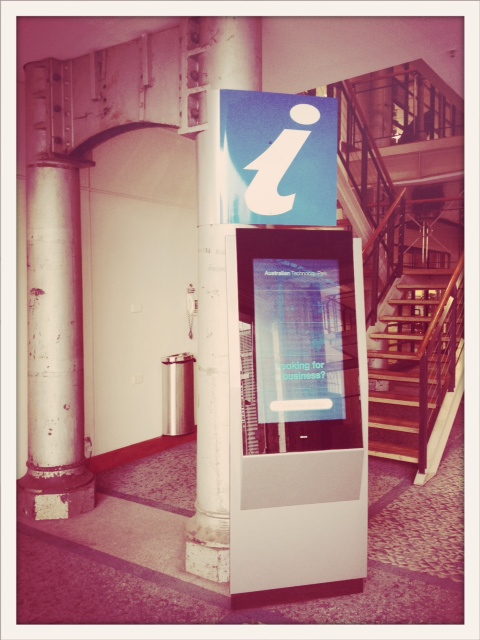
The Eveleigh Locomotive Workshop is decked out in pop-bright flags that herald Innovation, Heritage, Sustainability, and Community, the tenets of a modern reincarnation. Once the powerhouse of a vibrant steam industry, Eveleigh has evolved into a paradox; it is an industrial museum, threaded with memory and steeped with the souls of the past, while at the same time a bright-eyed bustle of innovation, the Australian Technology Centre, chock full of businesses with names like elcom; ac3; and thoughtweb.


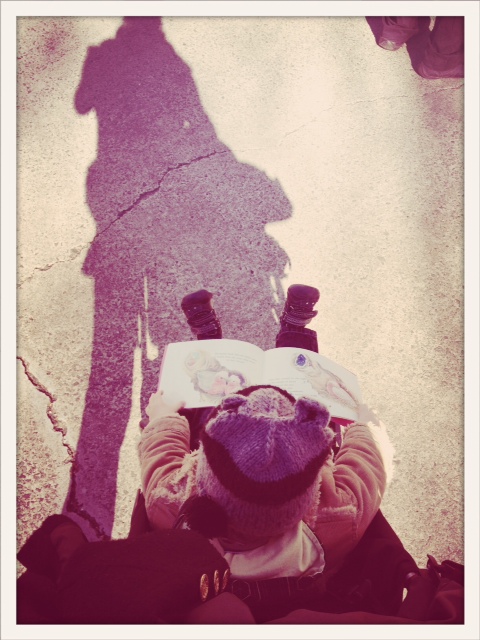
The Tin Lid taking it all in
The most recent arrivals are flouncing fashionistas and doe-eyed interns who traipse across a landscape once reserved for hardened men, in teetering heels attached to smartphones. The media has arrived…
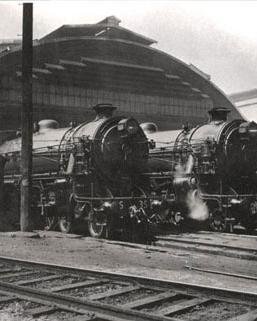
Built in 1887, Eveleigh championed the power of steam, forging, stamping, pressing and bolting metal into the rolling stock that powered the halcyon days of Victorian industrial development.


Rows of pounding machine shops lined up to be fed from the fires of the foundry, the hammer and press of the forge clamouring long into the dark. It was a place of fire and pain, steel and sorrow.

Remembered in black and white, courtesy of our perspective on the past and the pitch of the coal that coated everything, the characters that brought Eveleigh to life are long lost to our modern world. Cloaked in navvies humour and clad in flat caps, steel boots and itchy wool, these men embodied the grind and grist of non-automated workforce. They were the face of the headlong hurtle to the six o’clock swill, a flutter on the nags and a meat pie ‘n’ sauce on a Sunday.
It’s a long way from iPad-clutching cashmere suits and dolly-birds in vermillion sipping double-shot-skinny-soy-caramel-lattes (“hold the sugar, I’m watching my weight”).
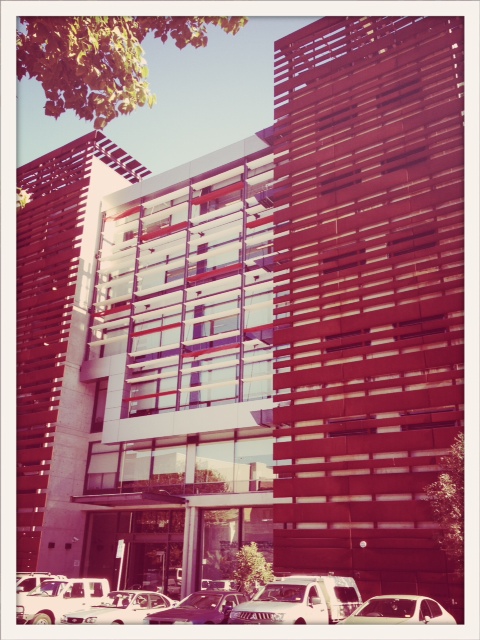
Contemporary buildings peer out suspiciously at the heritage-listed loco shops from behind fortified slatted fronts, their eyes narrowed in distrust..

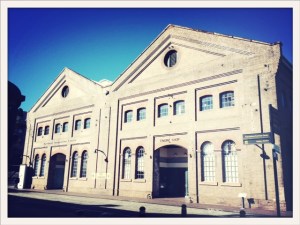
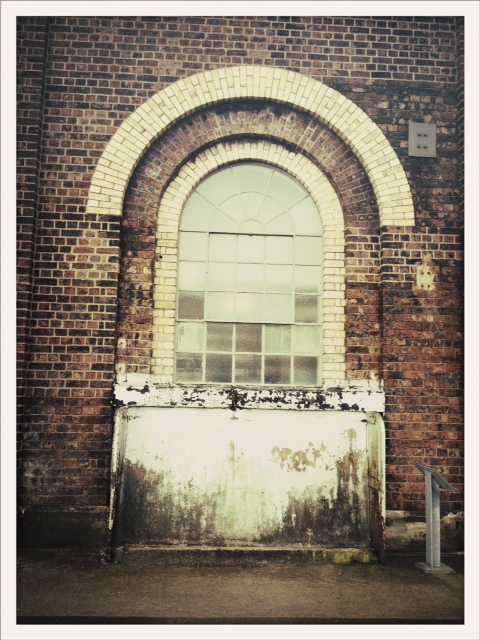
Or is it envy? The incidental architecture jars painfully, with sharp lines that jut, a scope that is stingy, and a lack of wildlife in the lobby. The arches at Eveleigh are vast, arcing high above me, the space filled with sound and memory, scrabbling birds and thick cobwebs.
In the blacksmiths bay a working smith, thick dreads snaking down his back, is busy striking metal into shards of russet and gold before thrusting molten steel into icy water and disappearing behind a curtain of steam. The Tin Lid is most impressed, casting his Charlie and Lola book onto the ground over and over in sheer admiration of this worthy skill.


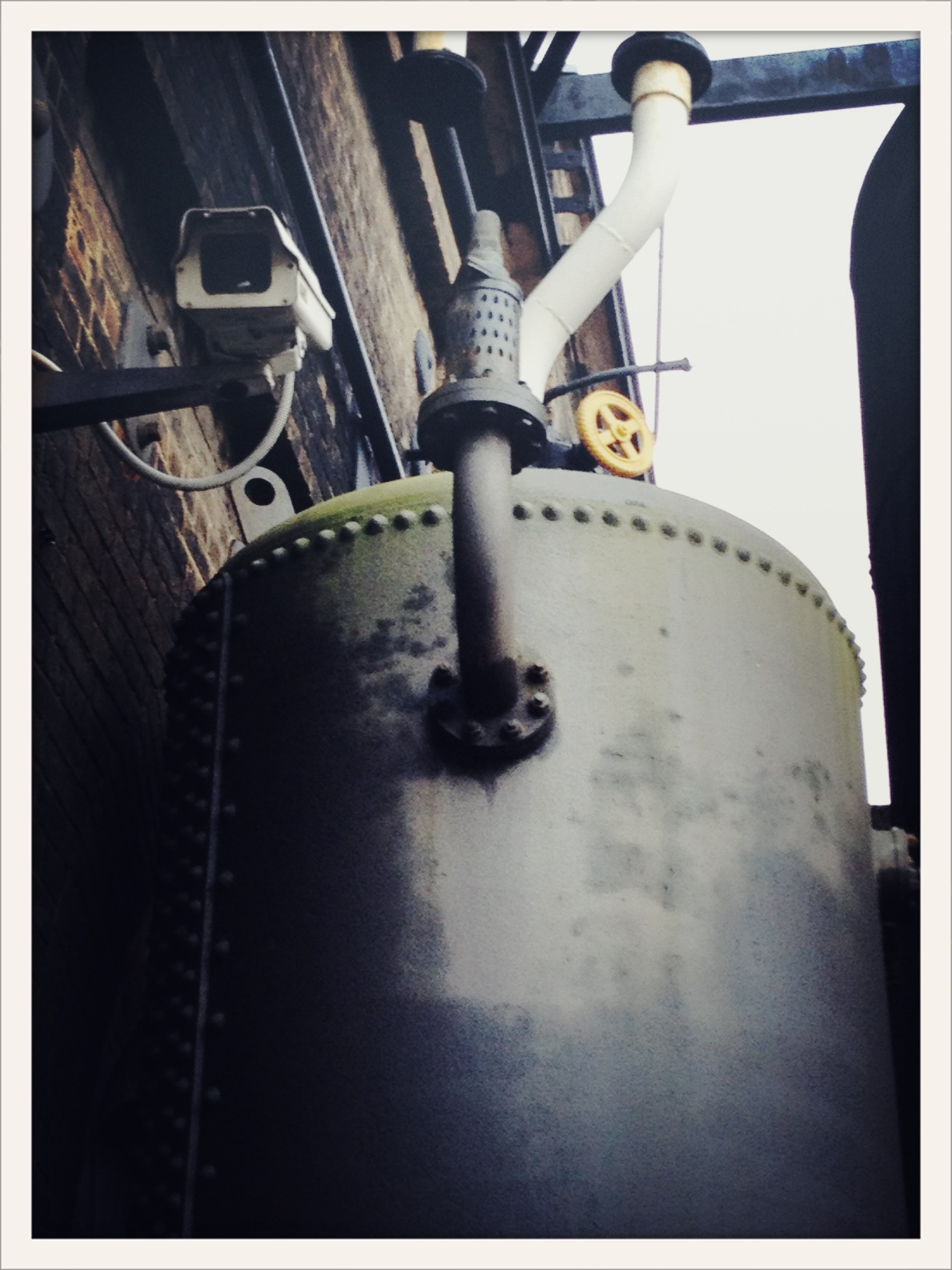
This is a place where three worlds overlay each other, a shadowy resonance beneath a glossy facade stapled onto an arresting history. Naturally that includes CCTV…
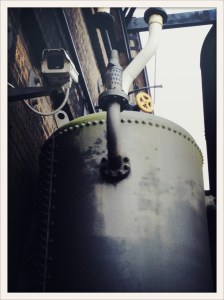
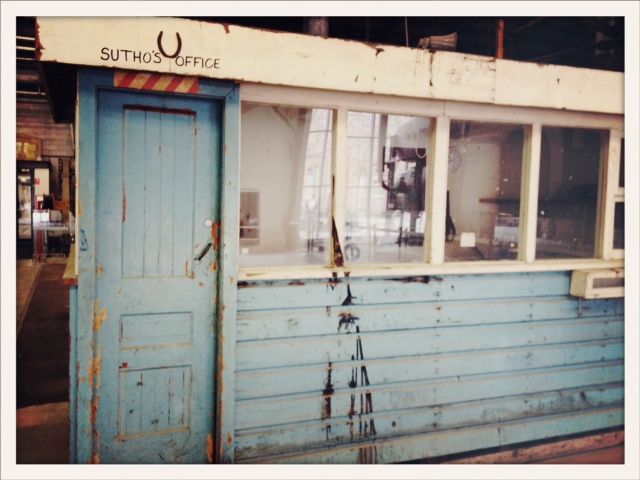
The dross of over a hundred years of operation has been carefully scraped away to reveal a sterile, staid beauty, yet still present within the glossy corporate facade are elements of the past, a reminder of a previous life, though ATMs crouch expectantly in corners once reserved for the gaffer’s office:
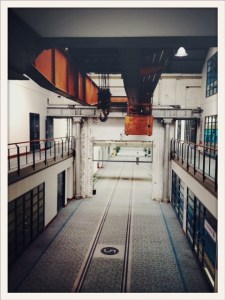


Vast bolted pieces of the obsolete sit redundant in the windows, as if gazing curiously into the present. The trundling beep of cherry pickers and scissor lifts, the clink of a teaspoon and the sharp bite of Ajax serves to remind me of the prosaic nature of Eveleigh now. The cranes and hydraulics lie idle, the tracks no longer lead anywhere, and there is a eerie calm, interspersed with busy cutlery and whirring cash machines…
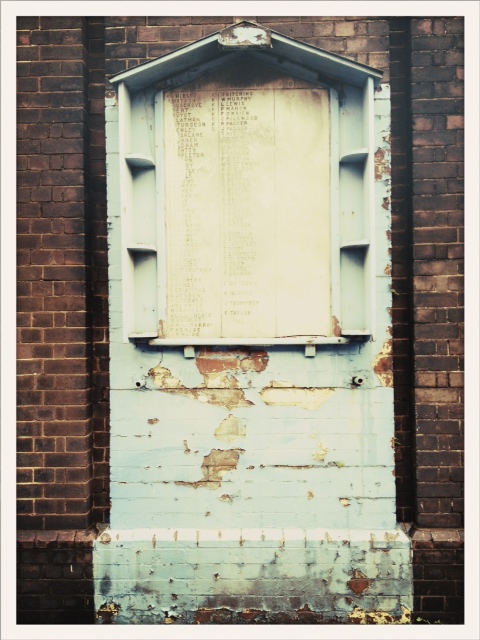
The strict Victorian austerity of this era is smoothed out, softened by the buildings’ evolution, but in places the past peeps through, a stark reminder of the brutality of Eveleigh’s history:
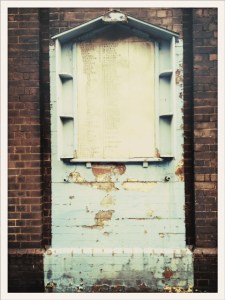
In memory of the fallen
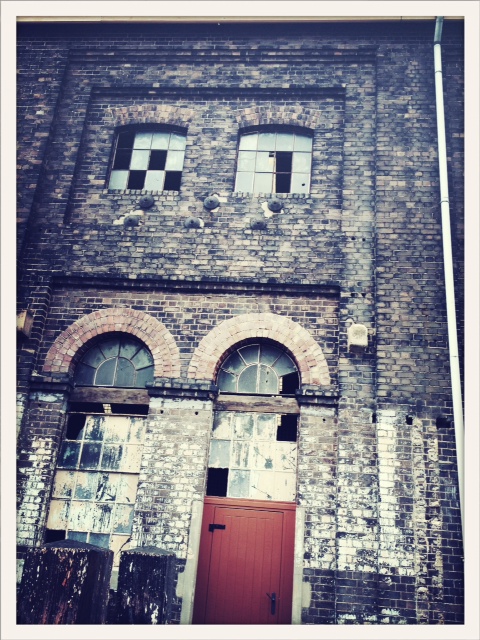
As you wander further away from Innovation Plaza, an air of desolation and dereliction lingers, somnolent workshops lie empty and dark, their windows smashed, the small information signs have become extinct and there is barbed wire to deter.


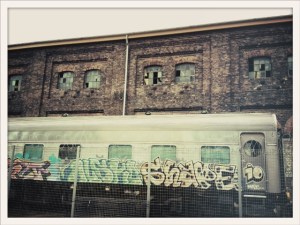
It is here that the past is closest to the surface. Here you can smell and taste another world and best understand the proud history of Eveleigh and then men who worked here.

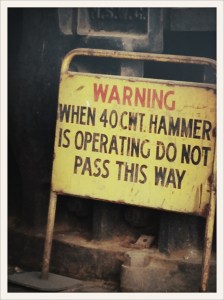
The path from past to future is never easy. Eveleigh manages to maintain a sense of pride and purpose and though the innovative adaptive reuse program is far from the gristly origins of the loco yards, it is also a long way from any further encroachment by the developers and the concrete crawl that typifies them.










 From the Sports Desk