A glory of women

In need of a little respite, the kind you can’t find at the bottom of a bottle of red, I find myself flip-flopping tired feet to the women’s baths at Coogee.

photo 8

A place so imbued with peace it remains shrouded in the echoey corners of your mind when you need it most, McIver’s Baths are a sacred watery idyll brimming with 50s kitsch queens, burgeoning bellies ripe with new life, the spiced lilt of Arabic as it curls through salty air and sun-baked skin.

photo 4photo 4

Clinging to a scarred eyrie – part cliff face, part rocky outpost smack between Coogee Beach and the nautical striped awnings of Wylies Baths – and a one-time traditional bathing place for Indigenous women, McIver’s is the last women’s-only seawater pool left in Australia.

Elizabeth Dobbie Sydney Morning Herald

Elizabeth Dobbie
Sydney Morning Herald

Built in 1886 the baths have soothed the souls of countless women, from those who come to worship the dawn to decked-out day-trippers pulling a sickie, and those of us who need a gasp of ocean rehabilitation, to fill our lungs until they ache and sink our minds into cool salty depths.

photo 5photo 5

Squalls of kids (under 13 if they are boys) frolic in the limpid shallows as matriarchs motor past under full sail, their destination a slow and steady 20 lengths. Woman bask on the rock walls, glistening with sea water and contentment. Rogue waves courtesy of a king tide sidle up and boom into the pool eliciting squeals of joy or a tut of annoyance, and the scents of tobacco and coconut, perfume, salt and the fine dust of Lily of the Valley talc mingle deliciously.

A luxurious flock migrate to this sanctuary, their chatter echoing along the rock walls and slinking to the surf. A clatter of nonnas sit playing cards at the entrance, tasty pastry chocking up their elbows; a bearded lady preens herself, splayed in her nudity; a sisterhood of shrouded beauties quickly divest themselves of their sheltering, flicking long, dark hair in anticipation of the cool, safe depths; and a zealous snorkeler, hiking boots slung over a purposeful shoulder strips down commando style. 

photo 1photo 2

The swells and curves of the female form are many and varied, a nubile tribe unfettered by responsibility and care, though there is much in evidence. The pool mirrors their form, an extended limb of land curls around the soft swell of a rock belly that is caressed by the ocean. On the flat caramel rock shelf, pockmarked by time and sluiced by the ocean, women lounge like carnival seals, splashes of vermillion, indigo and pearl and the smooth hairless planes of their bodies lending an exotic melee to this ancient coastline.

photo 5photo 3photo 1

They share their roost with time and tradition, Amphitrite‘s pool long considered a sacred space. Originally it may have been a bogey (swimming) hole or Aboriginal fish trap and it is believed that the colonial population of the greater Sydney region followed established Aboriginal practices of segregated bathing at Coogee when they developed male and female-only baths.

I can’t help but wonder what the Indigenous dreaming is here. What is evident is that for each and every woman or child who finds their way to the baths, it is the realisation of a personal dream, be it a slice of space or time, deep peace or raucous chatter, a ritual unveiling, shared stories, communal food, a sisterhood, motherhood, childhood or absolution and healing.
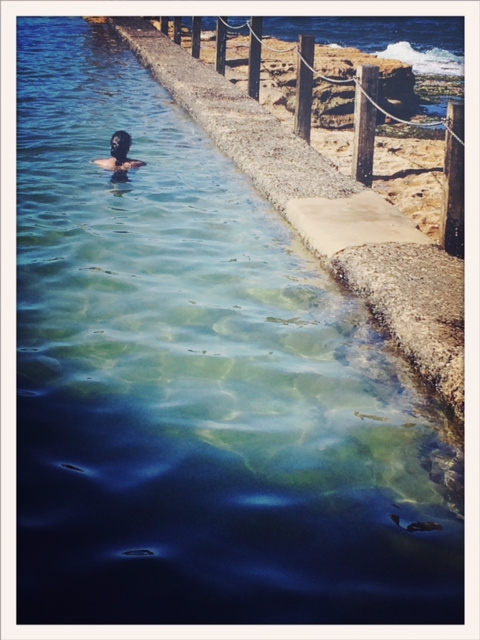
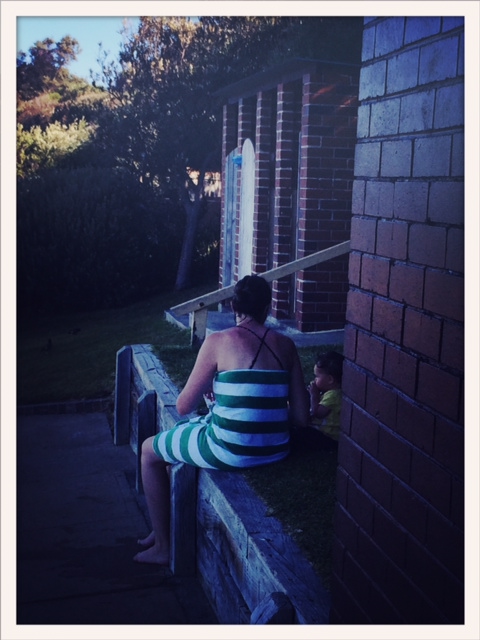
photo 1photo 4photo 2photo 1photo 5

The baths are named after Robert and Rose McIver, who began operating them in 1918 and developed them into the form they are today after their young daughter was not permitted into the men’s club down the road.

With Mina Wylie, Bella O’Keefe and other swimming legends, Rose McIver established the Randwick and Coogee Ladies Amateur Swimming Club in 1923 and to this day the club operates the baths and maintains their exemption from the 1995 NSW Anti-Discrimination Act.

photo 9

Overlooking Wedding Cake Island and the stretch of the coast as it winds south, the baths are a glorious exemption to the helter-skelter pace of contemporary life. It costs just 20c to enter and patrons are trusted to chuck the shiny silver into a plastic bin. There is no kiosk, no vending machine and no hot water. What there is is a library of books and a lifetime of stories, a grassy slope, sunbaked rocks and the rhythmic swell of the ocean.
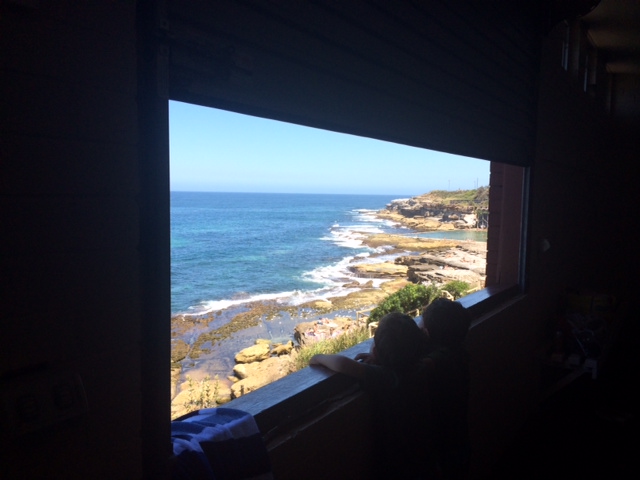
photo (16)

The straining of time is taught across a toned and trim reality here, a too-tight waistband, courtesy of gentle indulgence, that snags and worries. The generations slide into each other – a gentle word here, a friendly smile there – and you can almost believe the world is standing still, patiently waiting for you to jump back in, slick, salty and alive.

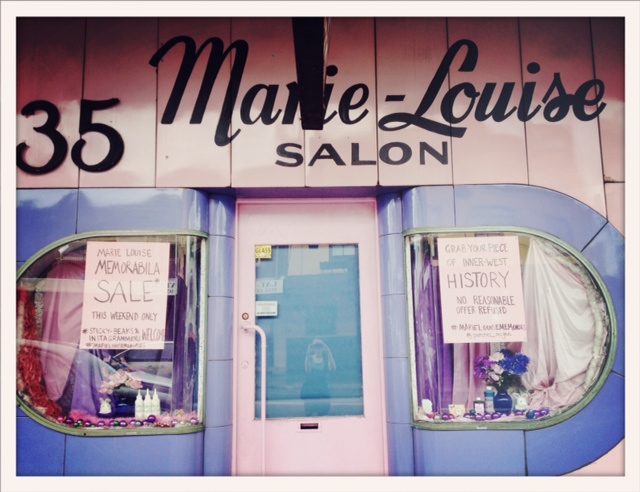
photo 5


Lollapalooza

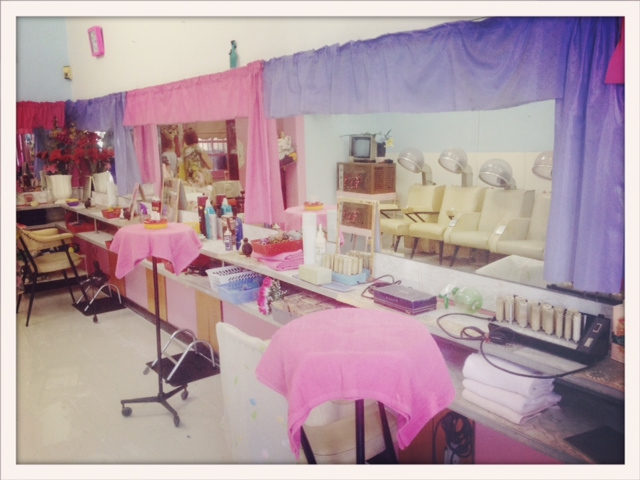
I have often wondered, gazing at the last vestiges of retro kitsch straddling Enmore Road, just what the story was behind Marie Louise’s salon, its tin-pressed lilac and candy-pink front a beguiling enticement to pressed-nose window-gazing.

z

Turns out, its a lollapalooza, a tale that ties itself into pretty bows and tangles of twine to hold up wayward pants slung low on skinny hips. It’s a story of spirit – of strength of character; of ghostly ephemera that quiver in shafts of light; and rum, knocked back with a grizzle on a cold night.

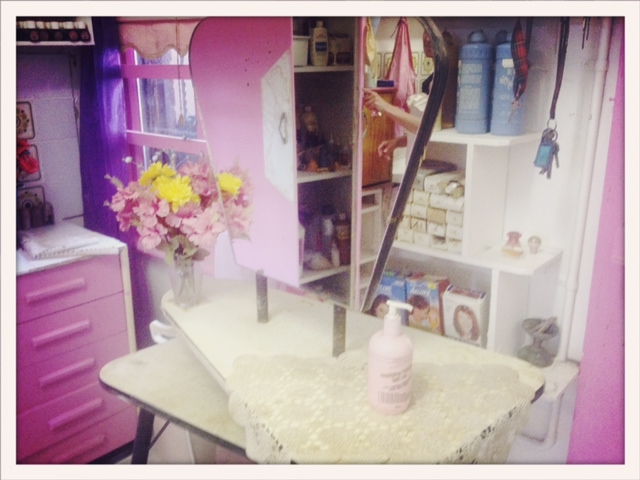
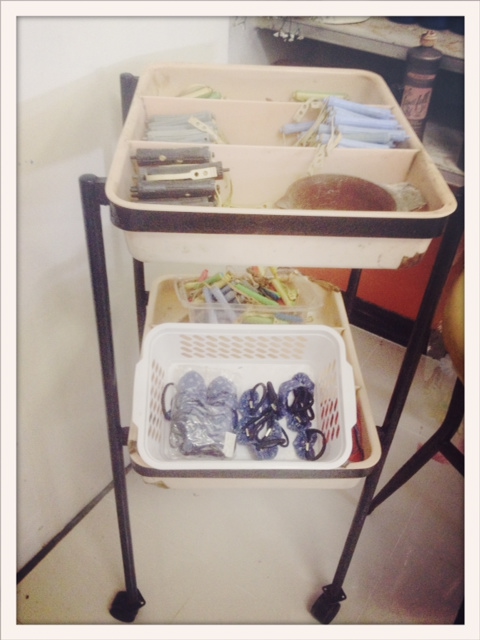
Shrouded in legacy and sticky dust, time has stood still for this 50s beauty queen, a landmark for the retro, vintage and rockabilly subculture of the inner west. An accidental museum, while the doors were closed and the shop shut the window display was occasionally tweaked, a foil wig added, a chintzy ornament repositioned, all by an invisible hand.

t

So, needless to say, when the doors opened for two days, “stickybeaks and instagrammers welcome”, my usual view was reversed

14

and I gazed curiously back at myself.

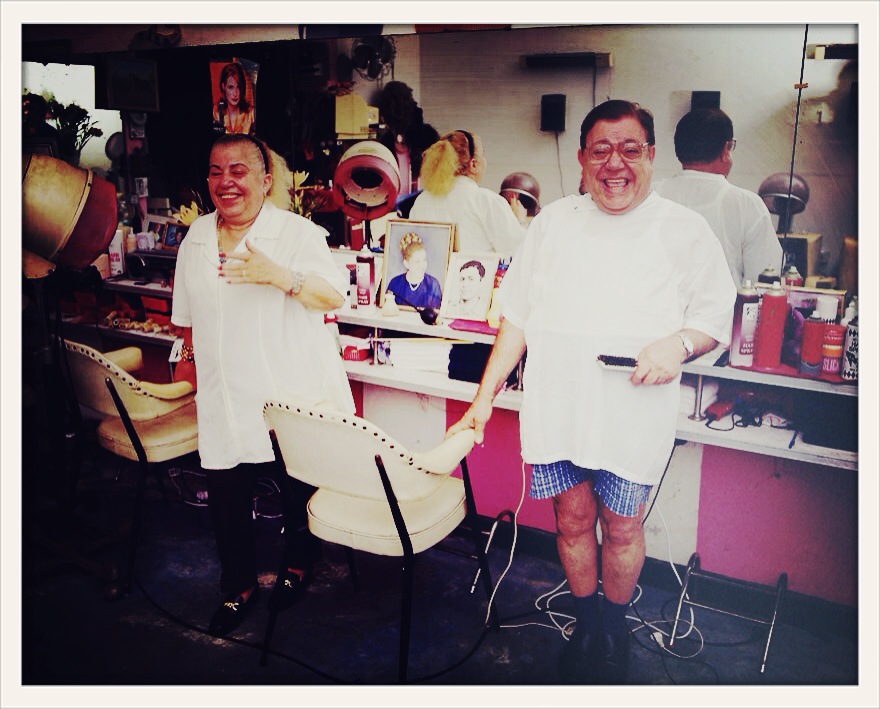
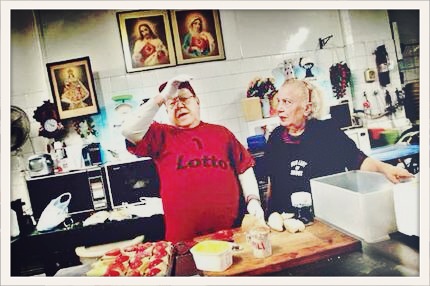
The Marie Louise salon was run by siblings, Nola and George Mezher, who started working in the salon in the late 1950s. Both were hairdressers and became public figures in the early 1980s with their almost half-million-dollar Lotto win, their lucky numbers the Saints’ birthdays.

Michael Amodelia Photography

Michael Amendolia Photography

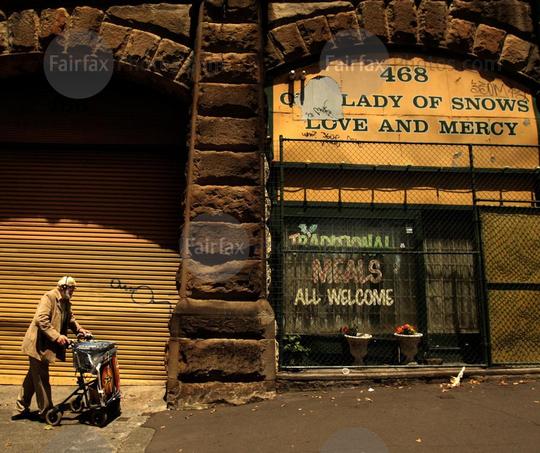
George and Nola used their money to set up the Our Lady of Snows on the corner of Pitt Street and Eddy Avenue, on the fringe of Belmore Park in the city, a refuge for a straggly mass of lost souls, and a soup kitchen with table service. They divided their time between the salon and cooking, serving, shopping and cleaning for Our Lady. Well, their lady really, and the beloved lady of hundreds of Sydney’s homeless community.

Fairfax Media

Fairfax Media

x

Dishing it up

Nola died in 2009, and since then George has tended the window display. Until now. Today it’s all for sale, a dollar here, a dollar there. I wish I knew if George was OK with this dismantling of his work, enamoured hands clutching at relics of the past to be cherished long into the future. I also wonder where George is.

Back in the day, live models perched in the bug-eyed window seats, chugging plonk and smoking durries. A rabble of grannies smeared in Fanci-full rinse hooted with delight at gossip that writhed and squirmed in its own deliciousness, while the acrid scent of perm solution, hairspray and hot air would accost passers-by in an exotic fug, chemical warfare in slingbacks.

photo 2g

8i

Today, the only thing missing are the customers, replaced by wide-eyed hipsters, dreamers of dreams and urban scavengers, all curiously quiet in this one-time den of raucous insalubrity. And while the stickybeaks stream through the doors to glimpse this cornucopia of kitsch sentimentality it is upstairs and out the back that I find treasure.

c13

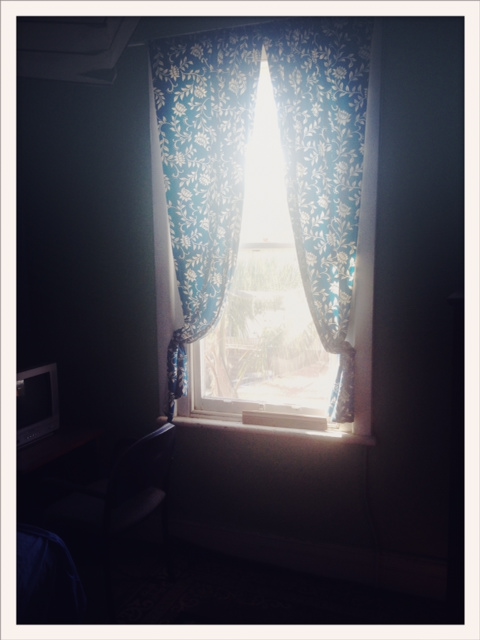
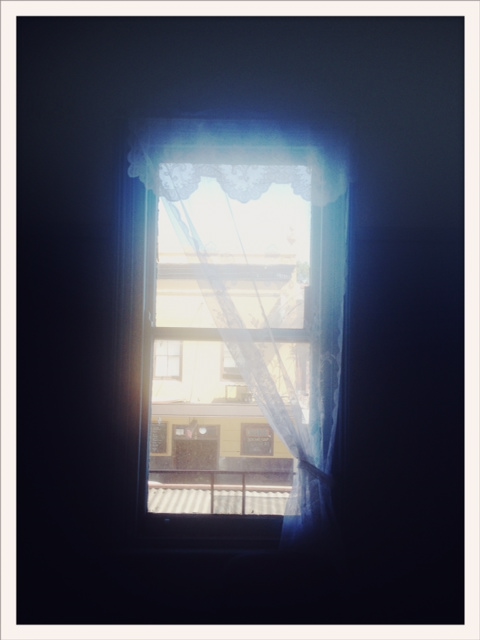
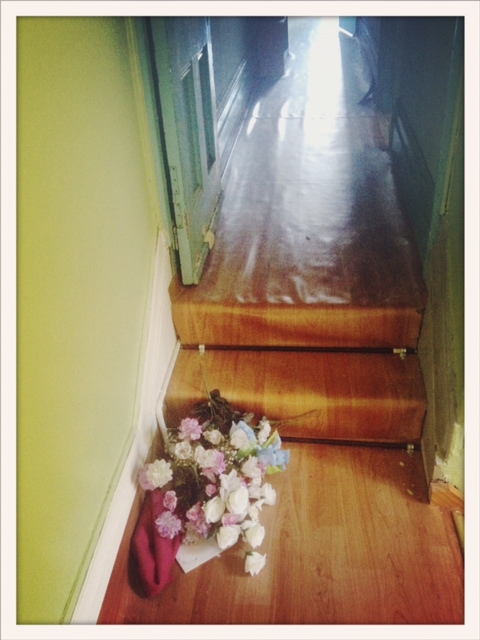
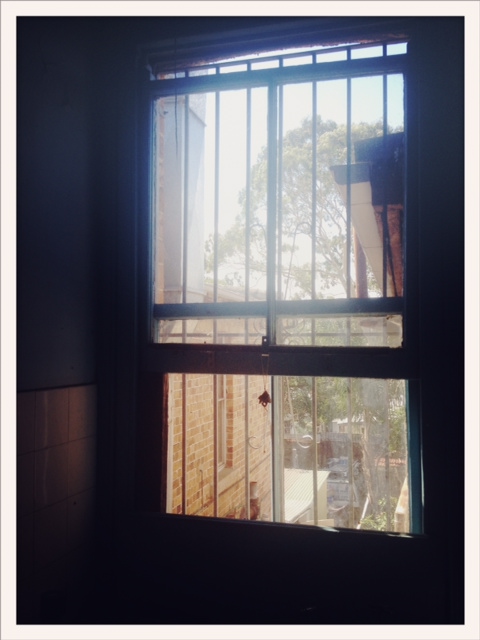
Light streams into the space causing the shadows to sigh and slide. It gives the impression of being watched, a curious trick of illumination in a space long dark. Dust mites sprinkle the air, shafts of sunlight catch on insipid remains, and scraps of a lost life twinkle deliriously in their revelation.

eb

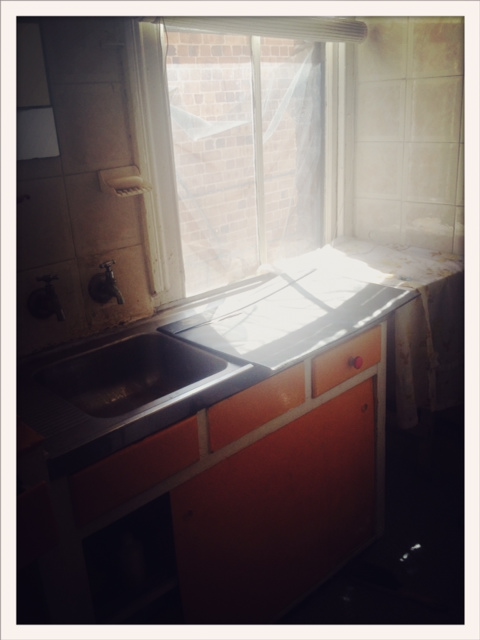
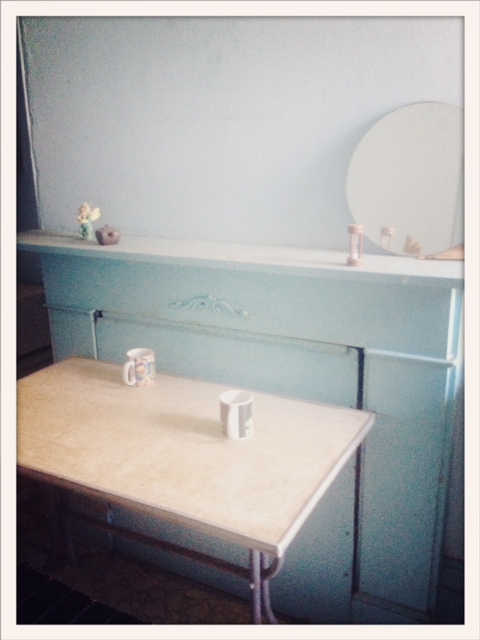
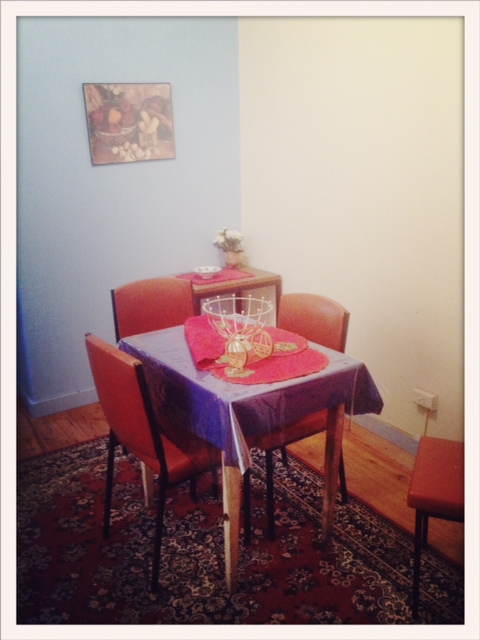
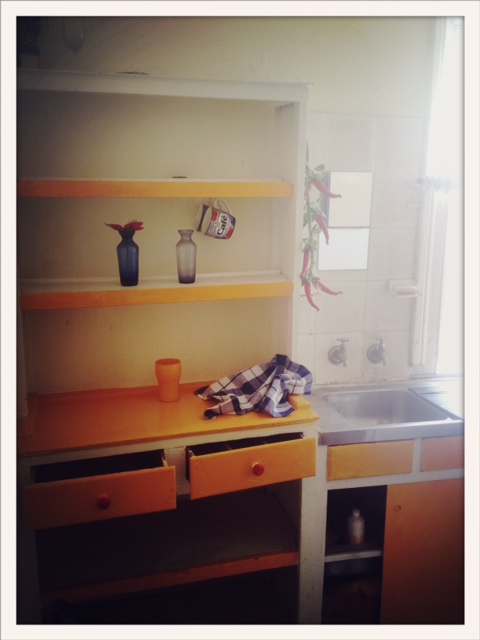
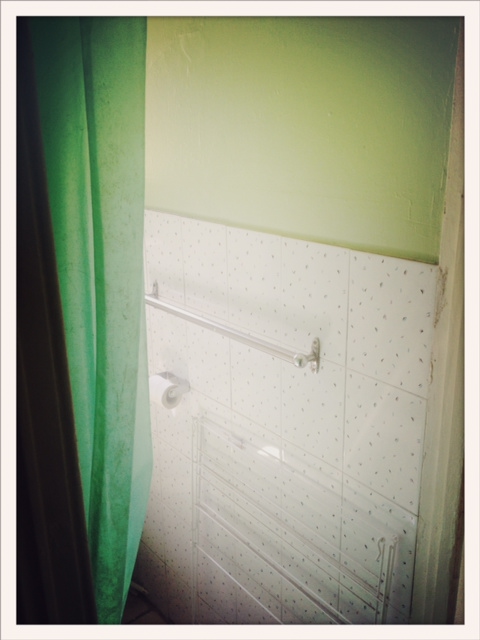
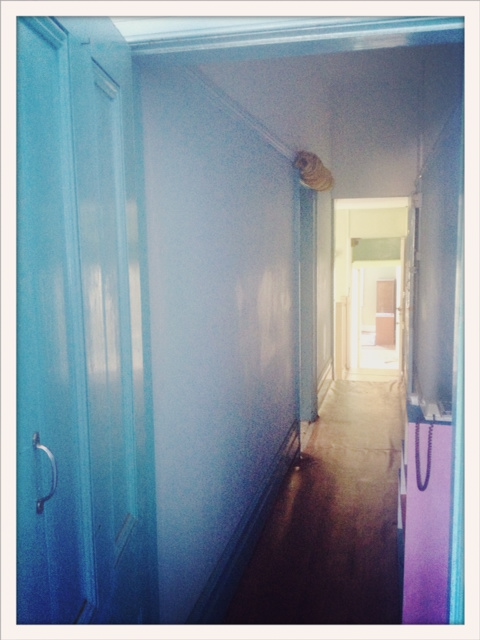
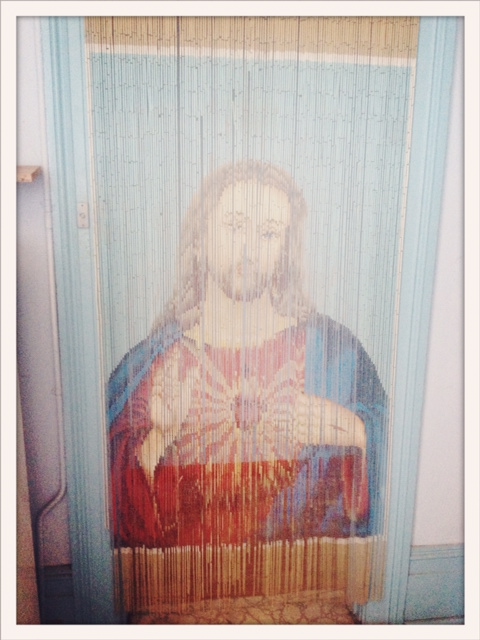
In mulish contrast to the frenetic wonderland of the salon, the living quarters remain stark and simple, a utilitarian space with little adornment save for the light, the hero of the show… (and a dedication to pastel hues)

lja19

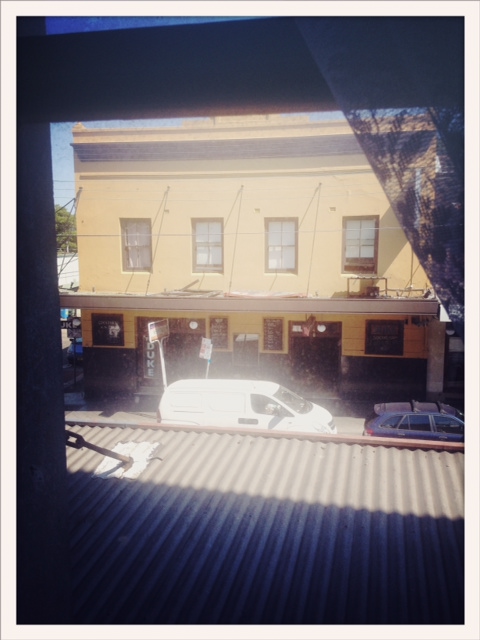
In the steeped quiet of this solitary space I can taste the resigned loneliness that coats the walls and floor. Windows are lid-less eyes that peer myopically into an unknown world that canters ahead and unseats this old rider, leaving him legs akimbo and alone.

16

1810

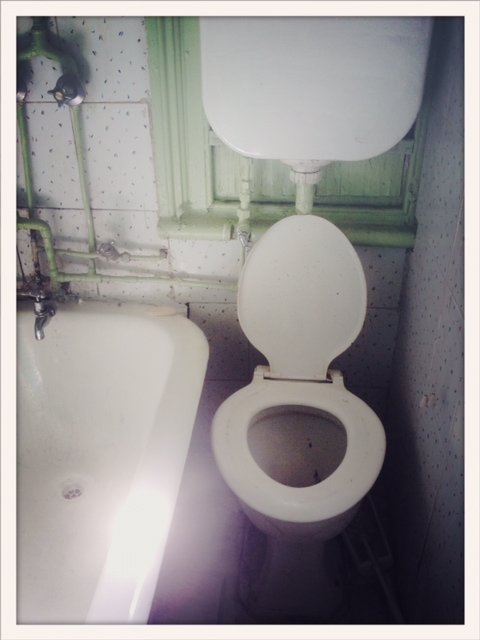
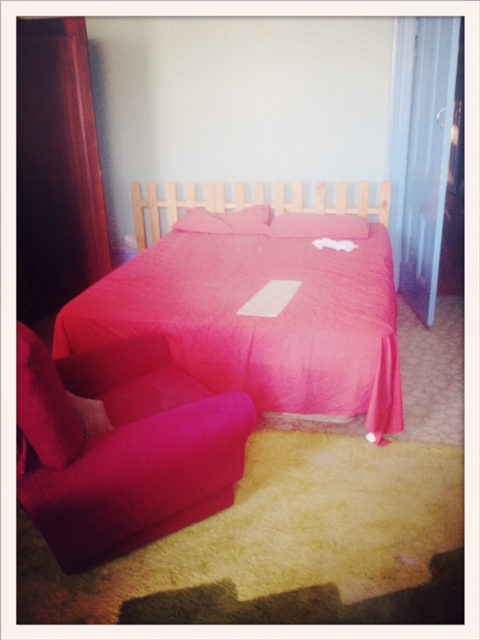
I don’t know when these walls lost their people: the bed is a little rumpled and the phone directory is open on a pizza joint that no longer exists. There is post from a couple of years ago and a mobile phone cover that cost $4.99 from Paddy’s.

But in this empty space George’s spirit courses through the air, surfing waves of light. Wherever he is, today he and Nola are remembered.

n12

In 1983, George and Nola were awarded the Order of Australia for their services to the community, after establishing 14 suburban refuges throughout Sydney. Their dedication to others was astounding – a way of giving back to a country that had been good to them they said.

Clutching three lolly-bright 50s melamine ice-cream dishes as if they might be ripped from my grip at any second by a rabid collector or a counter-culture revolutionary intent on wearing them as earrings, I cannot shake the feeling that Nola and George are watching on benevolently, seeing their generosity appreciated even in their absence.

k11

To George and Nola: thank you.