A glory of women

In need of a little respite, the kind you can’t find at the bottom of a bottle of red, I find myself flip-flopping tired feet to the women’s baths at Coogee.

photo 8

A place so imbued with peace it remains shrouded in the echoey corners of your mind when you need it most, McIver’s Baths are a sacred watery idyll brimming with 50s kitsch queens, burgeoning bellies ripe with new life, the spiced lilt of Arabic as it curls through salty air and sun-baked skin.

photo 4photo 4

Clinging to a scarred eyrie – part cliff face, part rocky outpost smack between Coogee Beach and the nautical striped awnings of Wylies Baths – and a one-time traditional bathing place for Indigenous women, McIver’s is the last women’s-only seawater pool left in Australia.

Elizabeth Dobbie Sydney Morning Herald

Elizabeth Dobbie
Sydney Morning Herald

Built in 1886 the baths have soothed the souls of countless women, from those who come to worship the dawn to decked-out day-trippers pulling a sickie, and those of us who need a gasp of ocean rehabilitation, to fill our lungs until they ache and sink our minds into cool salty depths.

photo 5photo 5

Squalls of kids (under 13 if they are boys) frolic in the limpid shallows as matriarchs motor past under full sail, their destination a slow and steady 20 lengths. Woman bask on the rock walls, glistening with sea water and contentment. Rogue waves courtesy of a king tide sidle up and boom into the pool eliciting squeals of joy or a tut of annoyance, and the scents of tobacco and coconut, perfume, salt and the fine dust of Lily of the Valley talc mingle deliciously.

A luxurious flock migrate to this sanctuary, their chatter echoing along the rock walls and slinking to the surf. A clatter of nonnas sit playing cards at the entrance, tasty pastry chocking up their elbows; a bearded lady preens herself, splayed in her nudity; a sisterhood of shrouded beauties quickly divest themselves of their sheltering, flicking long, dark hair in anticipation of the cool, safe depths; and a zealous snorkeler, hiking boots slung over a purposeful shoulder strips down commando style. 

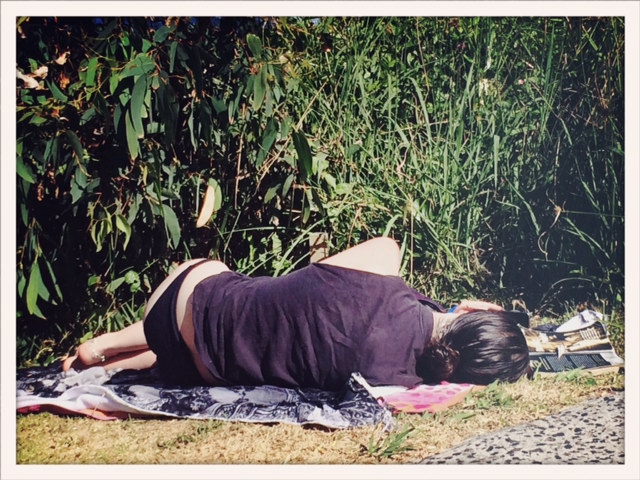
photo 1photo 2

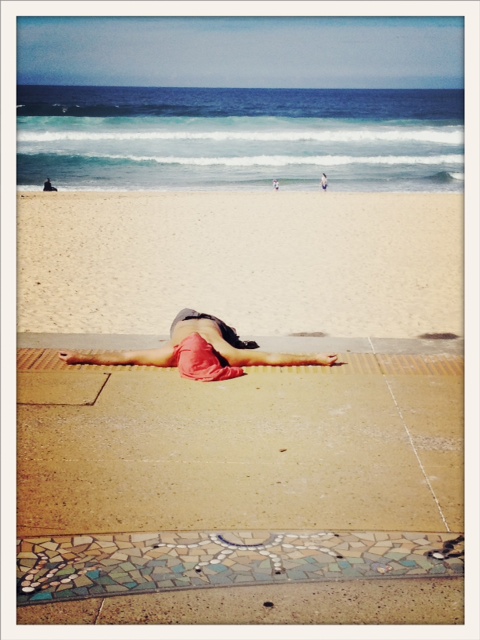
The swells and curves of the female form are many and varied, a nubile tribe unfettered by responsibility and care, though there is much in evidence. The pool mirrors their form, an extended limb of land curls around the soft swell of a rock belly that is caressed by the ocean. On the flat caramel rock shelf, pockmarked by time and sluiced by the ocean, women lounge like carnival seals, splashes of vermillion, indigo and pearl and the smooth hairless planes of their bodies lending an exotic melee to this ancient coastline.

photo 5photo 3photo 1

They share their roost with time and tradition, Amphitrite‘s pool long considered a sacred space. Originally it may have been a bogey (swimming) hole or Aboriginal fish trap and it is believed that the colonial population of the greater Sydney region followed established Aboriginal practices of segregated bathing at Coogee when they developed male and female-only baths.

I can’t help but wonder what the Indigenous dreaming is here. What is evident is that for each and every woman or child who finds their way to the baths, it is the realisation of a personal dream, be it a slice of space or time, deep peace or raucous chatter, a ritual unveiling, shared stories, communal food, a sisterhood, motherhood, childhood or absolution and healing.
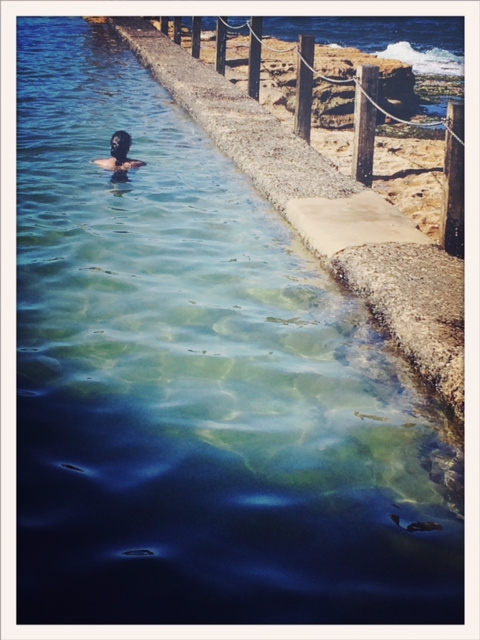
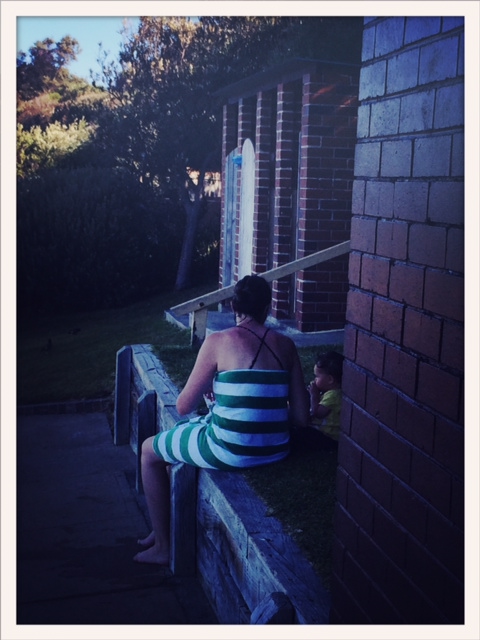
photo 1photo 4photo 2photo 1photo 5

The baths are named after Robert and Rose McIver, who began operating them in 1918 and developed them into the form they are today after their young daughter was not permitted into the men’s club down the road.

With Mina Wylie, Bella O’Keefe and other swimming legends, Rose McIver established the Randwick and Coogee Ladies Amateur Swimming Club in 1923 and to this day the club operates the baths and maintains their exemption from the 1995 NSW Anti-Discrimination Act.

photo 9

Overlooking Wedding Cake Island and the stretch of the coast as it winds south, the baths are a glorious exemption to the helter-skelter pace of contemporary life. It costs just 20c to enter and patrons are trusted to chuck the shiny silver into a plastic bin. There is no kiosk, no vending machine and no hot water. What there is is a library of books and a lifetime of stories, a grassy slope, sunbaked rocks and the rhythmic swell of the ocean.
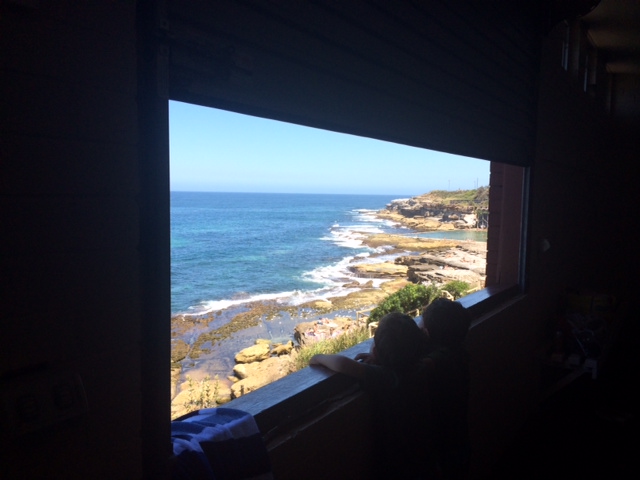
photo (16)

The straining of time is taught across a toned and trim reality here, a too-tight waistband, courtesy of gentle indulgence, that snags and worries. The generations slide into each other – a gentle word here, a friendly smile there – and you can almost believe the world is standing still, patiently waiting for you to jump back in, slick, salty and alive.

photo 5


My Brother’s Keeper

Gristled surfers, ink-garlanded muscles and snap-thin-bone bodies guard the beach in Maroubra, all intent on getting their share.  The waves boom and crash in this Aboriginal place of thunder, then hiss and crinkle as they meet land, easing to welcome sand-soft toes and a toddler’s giggles.

Strung out between Coogee to the north and Malabar to the south, Maroubra curls beneath the brow of of Long Bay, home to the notorious Correctional Centre and the Anzac Rifle Range. Beneath this insidious gaze Maroubra shines as an example of beach life with white sands in a cursive swoop, legendary surf breaks, open space, chock-full milk bars and a proud working class narrative.

Here the dog days of summer never fade, wolfishly roaring deep into the night. Thongs and shorts, skimpy bikinis, nanna one-pieces, striped towels, floppy hats and flesh are the uniform of the day. Sandy hands clutch hot chips and rainbow-flavoured drinks, beads of chill dripping into the sand while gulls whirl and collide above, savagely bent on their target.

Families flock to the beach with guttural joy,

“I’ve told ya’s before ya little buggers! Youse gotta wear’em.  Yeah darlin’, that lady’s got boobies… Nah mate, nah. Leave it on yer head… JAYDEN! WILL YOU BLOODY LISTEN! COME BACK HERE NOW… Ah, sodjus”

spilling across the sands. Mums corral slippery kids into bathers and out of picnic baskets, an old couple take the air, long-limbed teens flop lazily in front of each other and a tradie stands solemnly, watching the surf. There’s a retro family feel, people piling out of battered station wagons to escape hot seats, nippers racing into the waves, corned beef sarnies wrapped in white paper and past-their-prime gumball machines:

Back from the sweep of sand the Maroubra Seals sports club stands over the front with an imposing gesture, a mechanic, a hotel and a Thai joint it’s only companions on a strip that should be bustling with business:

There is a palpable sense of space. To the south of the beach Magic Point is an unexpected swathe of bushy camouflage, the towers of Long Bay looming in the distance; to the north, apartment blocks line the front in an orderly if dated line. It sparks a rare thought: where is everything? Expansive beach? Check. Surf club, sports club, RSL club? Check. A sprinkling of diners and caffs? Check. Pub? Check. Thai? Check.

That’s it. That’s all there seems to be. Where are the shops? Where are the cars? Where is the sterile anonymity of the local supermarket with its Argentinian garlic and Brazilian mangos? Too-small-for-you and made of nylon clothes? Red Rooster?

Nope. Not here.

Tiny McKeon Street leads away from the ocean and is dotted with a hamburger joint, a posh neo-European-Australian fusion place, an organic caff and a milk bar. The secretary opts for fish, chips and hot tea [I can always rely on her when tempted to guzzle cold beer and smoke Cubans] and settling down beneath a shady gum we watch as life strolls blithely past. The secretary comments that she finds Maroubra vaguely sparse, that there is an emptiness she cannot put her finger on. I remind her all her fingers are attached to hot chips and she agrees, maybe it’s nothing.

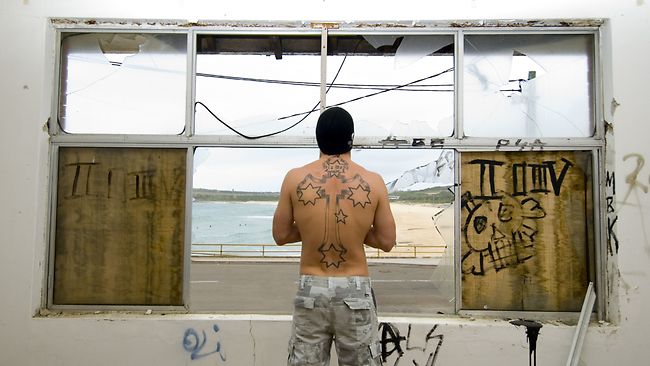
She is right though. There is a shrouded sense of something else, and the scent of a counter culture lingers. Though it is lacking the coastal ostentation of its more northerly sisters, Maroubra is not without pretence. It’s no secret that for all the recent gentrification (of which I find little evidence beyond boarded up work sites, wet concrete and the noise of hidden machines), the suburb is tattooed. It belongs.

Raw with pride, the Bra Boys are Maroubra’s infamously territorial surf mob, known for their clashes with authority, fierce loyalty to each other and an autobiographical doco entitled Bra Boys: Blood is Thicker Than Water that lifted the lid on the darker side of the suburb.

The surfing brotherhood with the flesh-inscribed motto My Brother’s Keeper, worn as an inky lei, is a fierce reminder of the poverty and social dislocation in the area, of the rite of passage from boy to man and then on to the testosterone-fueled angst that lolls on car bonnets, struts the front and owns the sand.

Koby Abberton
Image courtesy of Newsphoto

As a term, surf culture tastes vanilla and invokes frangipani-patterened boardies and Hawaiian Tropic, bleach blonde hair and the smell of salt and sex wax. In Maroubra a darkness lurks behind the stereotype, shadowed with controversy, hard stares and the sense of solidarity ingrained within an estranged extended family.

Image courtesy of Newsphoto

At the My Brother’s Keeper concept store you can buy surfwear emblazoned with slogans and gaze at walls tiled with faded photographs that tell the story of the tribe. There is a message that reads:

My Brothers Keeper is not a Gang, it’s not a Fashion Label it is a Way of Life. It is a belief that nothing comes before your Friends & Family. It is for all Races. Whether you are Australian, Asian, American, African, Middle Eastern, European or from Fucking Mars…

Amidst the clamour of distaste for the Bra Boys, the veiled taints of racism and a pervading fear, it is clear that this is a family and it protects its own. Though the angst sweats uncomfortably in some of the creases of Maroubra, the tribe are part of what gives this place its unconventional, retro beauty.

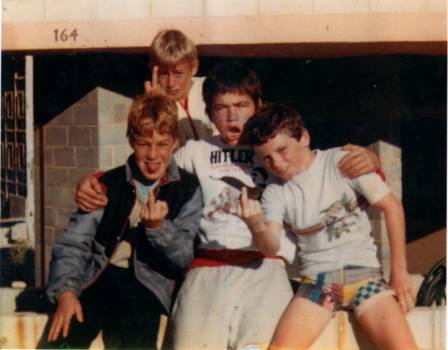
The early years

Born to surf

[Images courtesy of Newsphoto]

In a forest of houso blocks just metres from the front, the sun shines gently through mature trees, sofas stand sentinel in front yards strewn with life, and kids hang off the gates. There is a vibrancy, of life lived despite its hardships.

Steeped in rank seawater and rust, Maroubra has been described as a ghetto. While it is a hard-edged city surf beach that has a visceral realism, a rare find in a plastic fantastic world and the natural beauty is undeniable, this is a long way from the ghetto.

The pounding waves define not only the bay but the life its people lead. The ocean slamming into the rocks is the inveterate battle of the elements, the shaping-up of the forces of nature. It conjures a sense of perpetual change, of expectation and escape and there is no denying the serpentine break born of this conflict is at the wild heart of this gritty suburb.