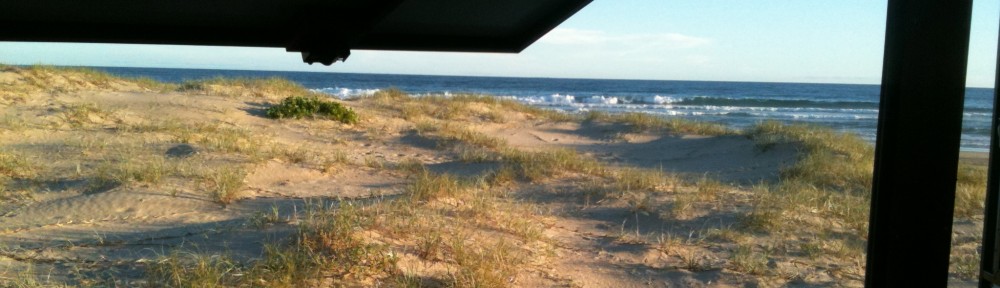
Warilla is the houso suburb where you get more bang for your buck according to the real-estate ads, draped like itchy blankets over ‘concrete deals’ and ‘below median prices’.
This spacious family home in its peaceful and convenient location, for example, is a mere $670,000, starting price only:

That edict only applies the western edge though, where the town tapers out towards the lake. Closer to the pounding surf of the South Pacific, the prices are not as benign. With its as yet ‘unverified balcony’, the pile on Little Lake Crescent is a cool $2.45mill:
Supreme coastal glamour with a uniquely versatile floor plan, this top-drawer residence nestled directly opposite one of the South Coast’s most known beaches and footsteps to Little Lake foreshore, and waterside parklands. An exclusive statement in contemporary style, the property showcases an array of premium appointments guaranteed to amaze. Entertaining is of first-class caliber, and embraces multiple family and entertaining options including a spacious lounge and dining zone finished in neutral tones flowing to a wide balcony commanding those majestic water views.
Sic-kening content aside, the marble tone and neutral ‘fusion of luxury and lifestyle convenience’ DO look directly out at the ocean, if you squint past the dead tree and property eyesore.

Just shy of Shellharbour, and deep in the straggling suburbs of the Gong, Warilla is a curious place. The local Chinese restaurant sports a pseudo temple roofline and majestic cement arches: it is closed indefinitely, however.

Granny flats and troopies line streets prosaically named Veronica, Dave, Jason and Anne, Terry, Brian and Raymond. Joan is a personal favourite, her tin rooves and verdant edges a swan dive into yesteryear.

Across the main road, things are less quaint, Grimmet and Spofforth Streets carve deep grooves into an overactive imagination that conjures underground criminal activity and latent despair. But the blocks are as big…
A mobility scooter flies past, its transportation executive trailing ALDI bags and grim determination to make headway on the only roundabout for 10 miles. On the bumper bar, a sticker reads:
Your political correctness offends me
Which is apt. I suspect the Tin Lid and I might be highly offensive to some, lefties on the loose on an Easter weekend devoid of eggs, carrots or commitment.

This place is liminal, caught between cause and effect. Flagrant ad copy spruiks a realm far removed from the asbestos bungalows and tank traps, from clutches of boardriders blowing horns into the wind, and pokies at the pub, their meaty clatter heard streets away.
Its raw edges are powerfully beautiful – a sand-blasted fringe that stretches to an ocean horizon, and a salted lake that cradles this spit of land in its embrace, full of story and lore – but at its heart, Warilla is pockmarked and sore, unable to reason with a future unchosen by its residents.

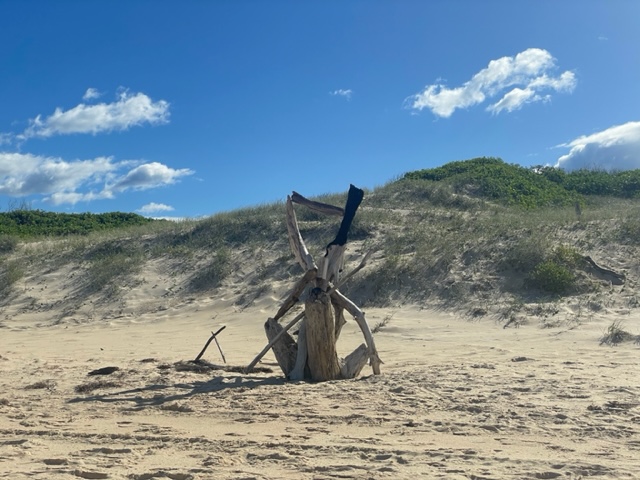
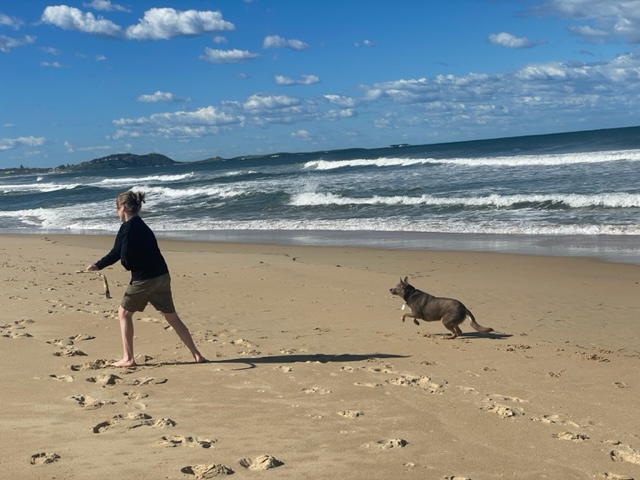
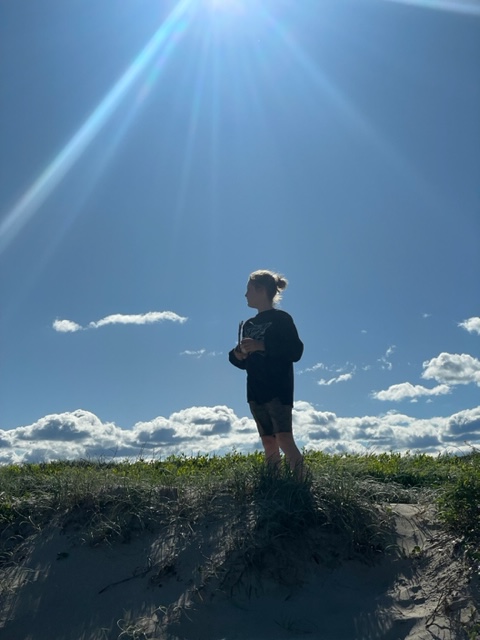
At Windang, sentinel structures dominate the horizon, placed with intent to mark a shared place, a dog beach where canine and human partner in their shared distaste for rangers and leashed areas, the air bristling with barking joy and the spray of sand, a tribe at play.




But it falls heavily into the one-careful-owner trope. This pristine Country is what attracts the development that circles – like a dingo on its prey – ready to capitalise on the ‘untouched potential’ it offers.
The traditional custodians of the land surrounding what is now known as Lake Illawarra are the Wadi Wadi people, part of the Dharawal Nation. Jubborsay, as it is known, is a place of spirits, a place to meet, eat, birth and die, burial sites and middens flanking the water’s edge.
The name Illawarra is derived from various adaptions of eloura, or allowrie; illa, wurra, or warra: all refer to ‘a generally pleasant place near the sea’, which seems like a singularly white reinterpretation. It is ‘generally pleasant’, but this belies the powerful undertones that curl around you like tendrils of hair on a blowy day, tickling your subconscious, demanding it takes notice.
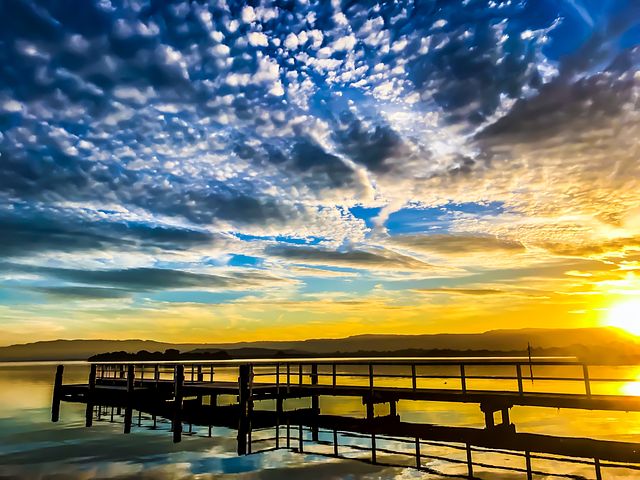
It won’t be long before the tatty authenticity of this forgotten community, with its rich Dreaming and proud history, is replaced with an expensive veneer, one that ousts anyone who can’t afford it.
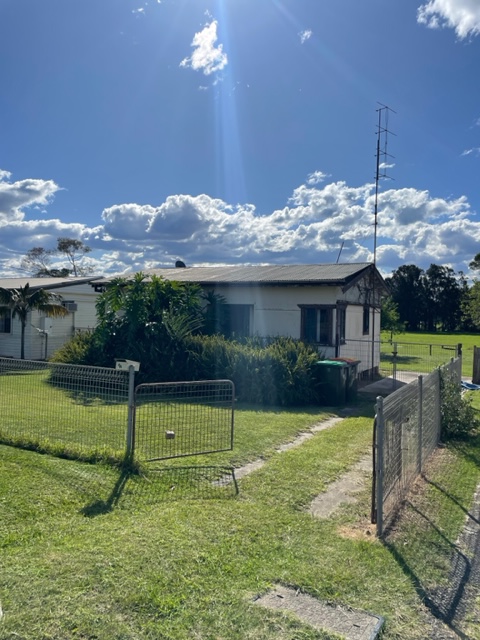
Generational homes on wide blocks will disappear, tended greenery will be forfeited, and the light will change as it is swallowed by buildings that reach for the sky.
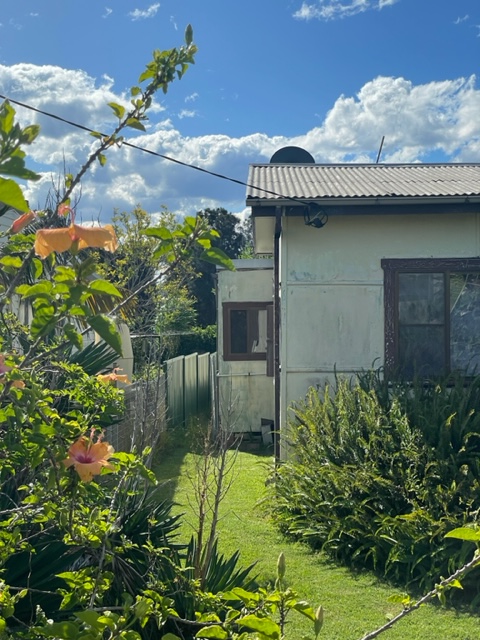

And these childhood blocks, with their triangle rooves and strip of green by the gutter, will go.
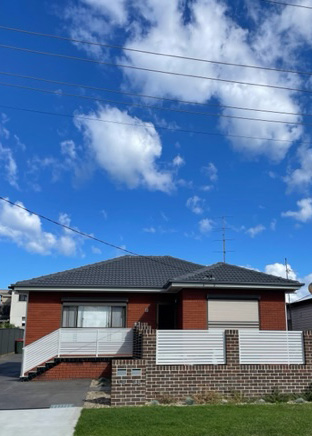

The writing is on the wall just a few kays up the road. Frasers Property at Shell Cove is developing The Waterfront, and asking us to ‘set a course for luxury living’.


Like a clipper wallowing in dead water, the metaphor is insistent, nautical themes bedecking timber stanchions, caramel-and-sea-salt gelato flogged to the highest bidder.
The litany of advertorial is loud:
Here you can enjoy a harbourside lifestyle in a stunning natural environment with an array of amenity on your doorstep. The world-class Shellharbour Marina, The Waterfront Dining Precinct and The Waterfront Tavern are all open. Imagine strolling along boardwalks surrounding the marina to shops, playgrounds and in 2025 a state-of-the-art community centre, library, visitors information centre. In 2025 there will be a stunning new Crowne Plaza hotel at The Waterfront. This is the opportunity to live metres away from unrivalled amenity not found anywhere else on the NSW South Coast.
Imagine the unrivaled amenity, she mutters with a hint of Kerrigan-esque irony. Imagine a state-of-the-art community centre…
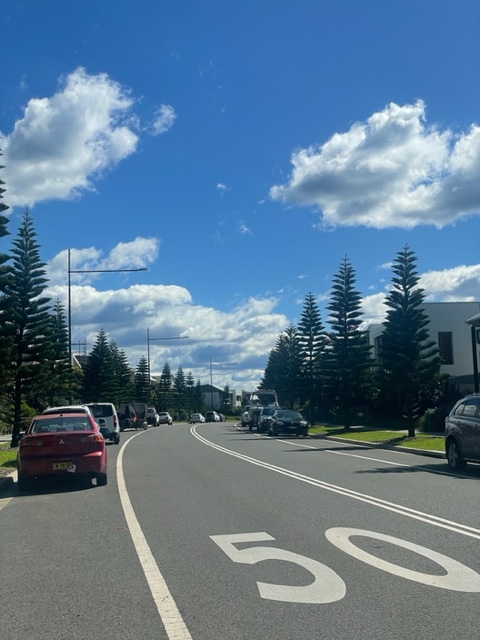
Amid spanking new builds and sharply demarked 50-zones, life here is sanitised and a world away from Warilla and her renegade residents. The kid and I came here for seals (alleged to flump their salty weight on slick pontoons and bark menacingly at timid landlubbers), but we are met with linen smocks and squealing children on motorised toys, fluffy lap dogs and maniacal seagulls. At least there is one constant.

The digital download is less prosaic: masterplans, aerial construction updates, property guides and mortgage calculators paper the air, chasing buy-now die-later rhetoric full of ‘lifestyle opportunities’ and ‘last-ever lots’.
It leads me to question how this ‘unbeatable lifestyle’ is better than what Wal from Lake Entrance Road – to the west of Shellharbour Road, the ‘bad bit’ – has.
Wal’s coastal dream has been his reality for over 30 years. His hard-earned, deeply loved fibro is an asbestos castle. Just a few hundred metres from the sea and cradled in the swell of community, it’s a crucible for his family’s memories, steeped in a wealth far richer than a Warrigal new build, shiny with chrome and vanilla scented.
Frankly, Wal says he just can’t understand the fuss…














 From the Sports Desk