Tractor Dreaming

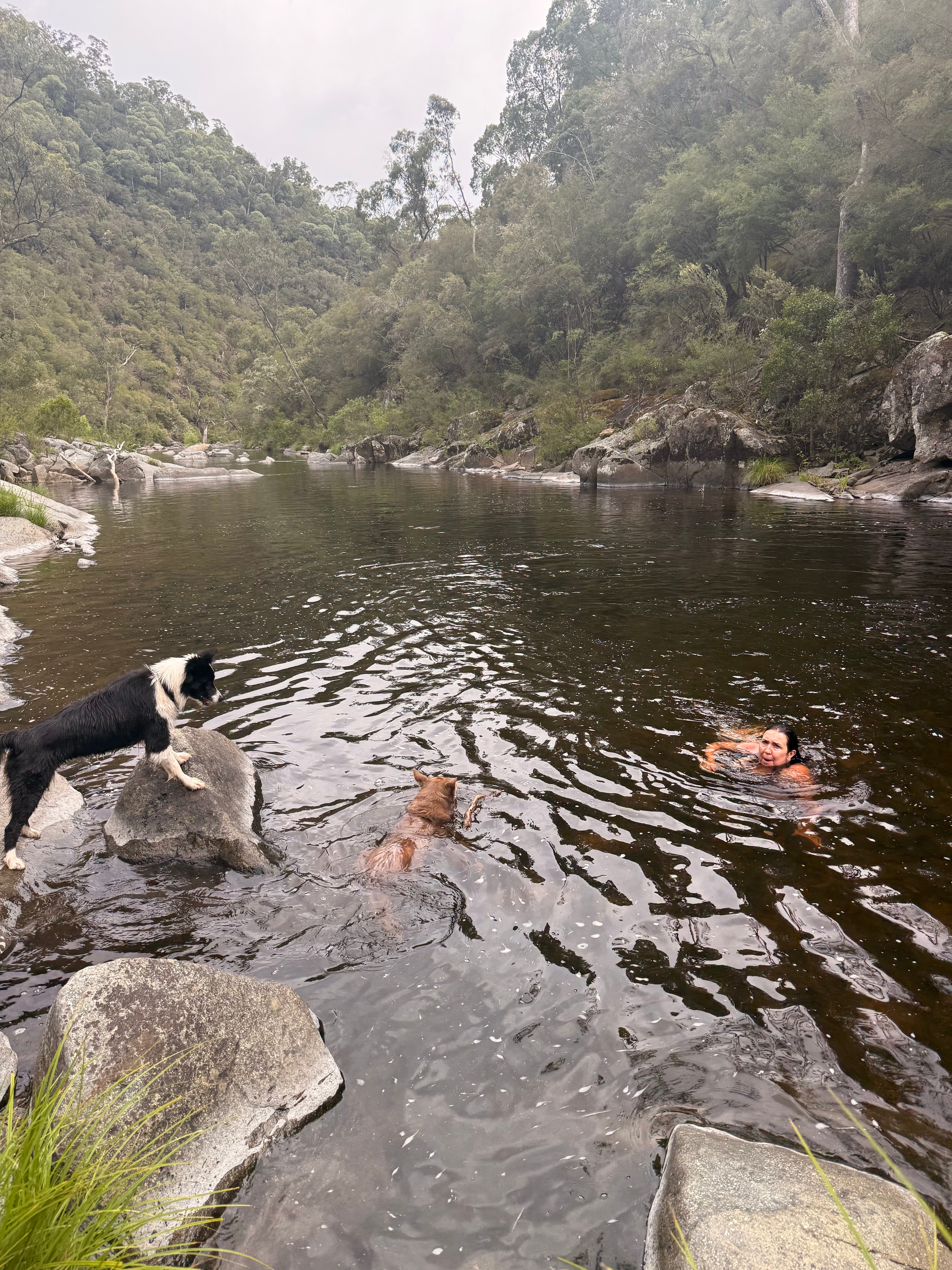
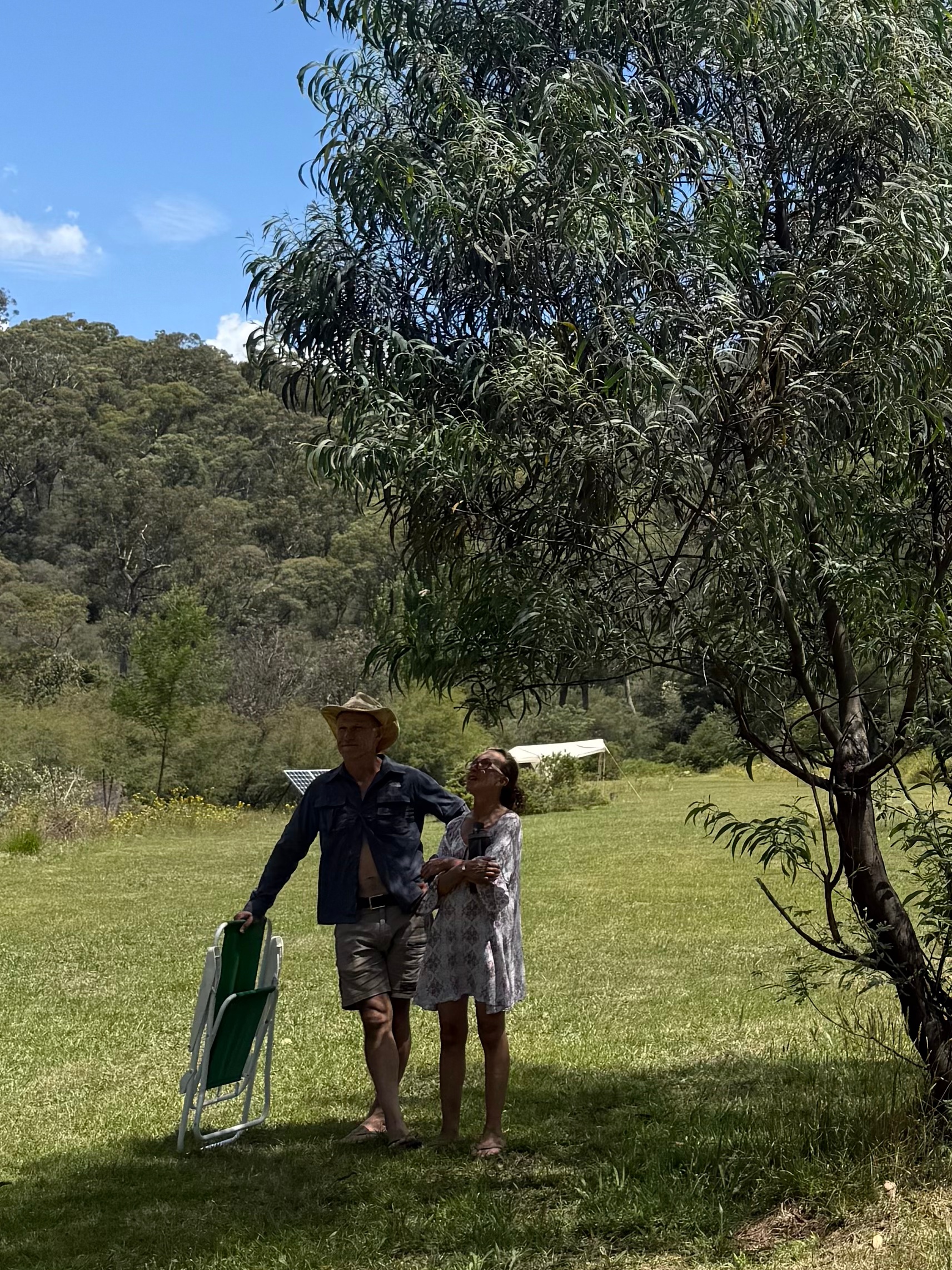
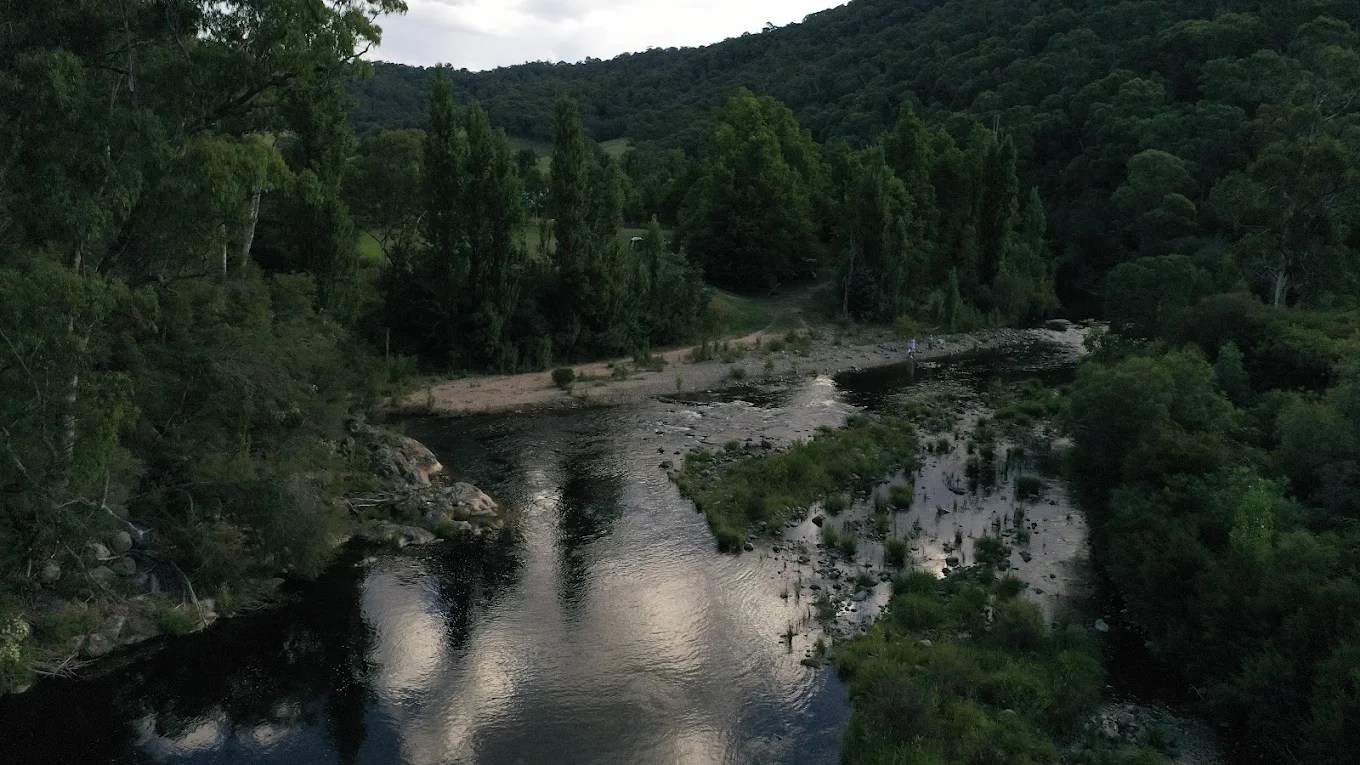
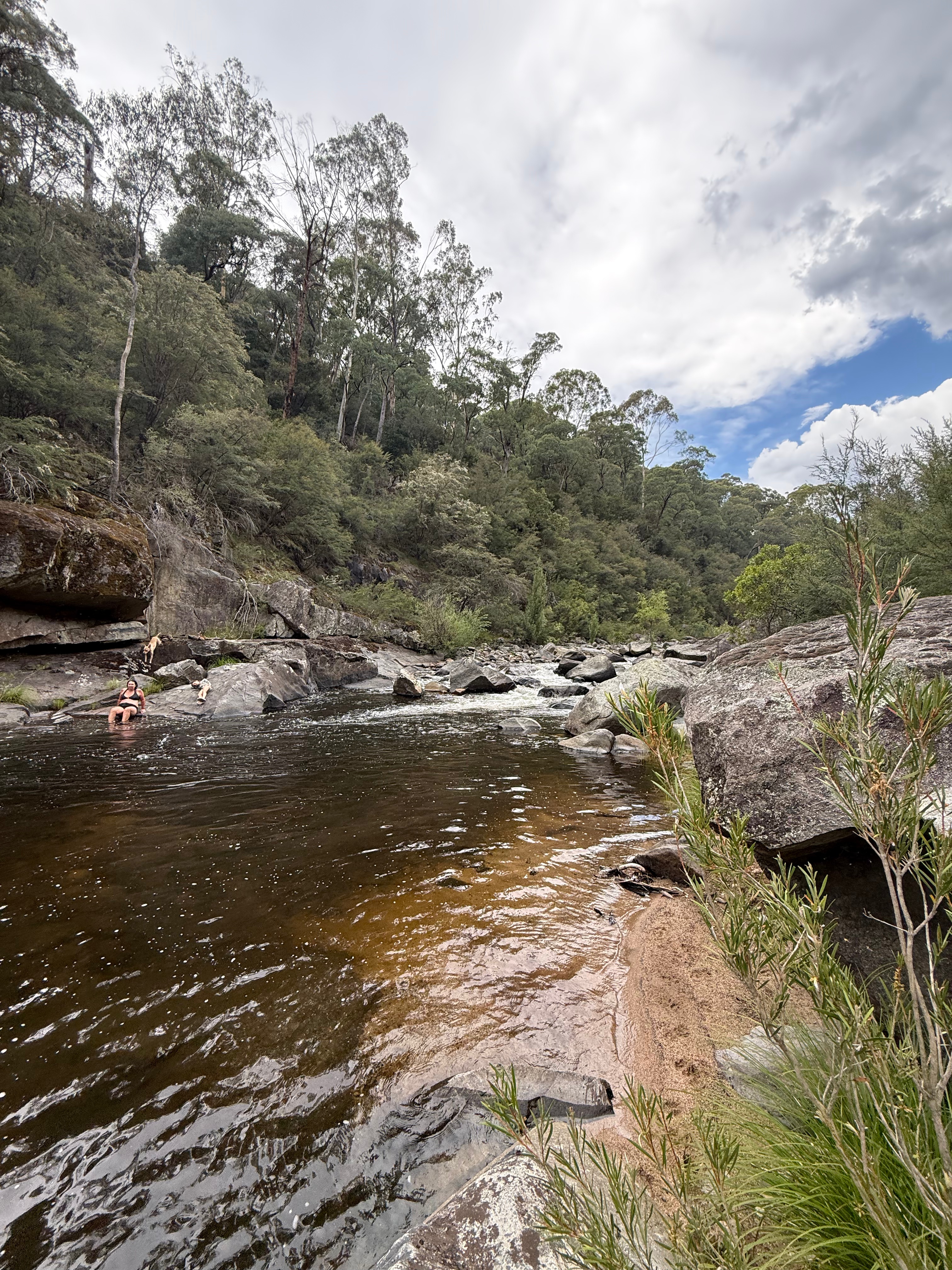
Standing on the banks of the Goobarragandra River, diminished by boulders the size of fire engines that have calved like icebergs from sheer cliffs, there’s an Alice-in-Wonderland vibe, a megalithic landscape appearing to wide eyes. We are hastily drawn mini stick figures, a grammatical smudge in the book of life in this big-sky big-river Country.

This prehistoric valley in the heart of the High Country is a tributary of land, water and sky, coursing from the Snowy Mountains to the Murrumbidgee and Goodradigbee River systems, and carrying the stories of centuries as rivulets of time.
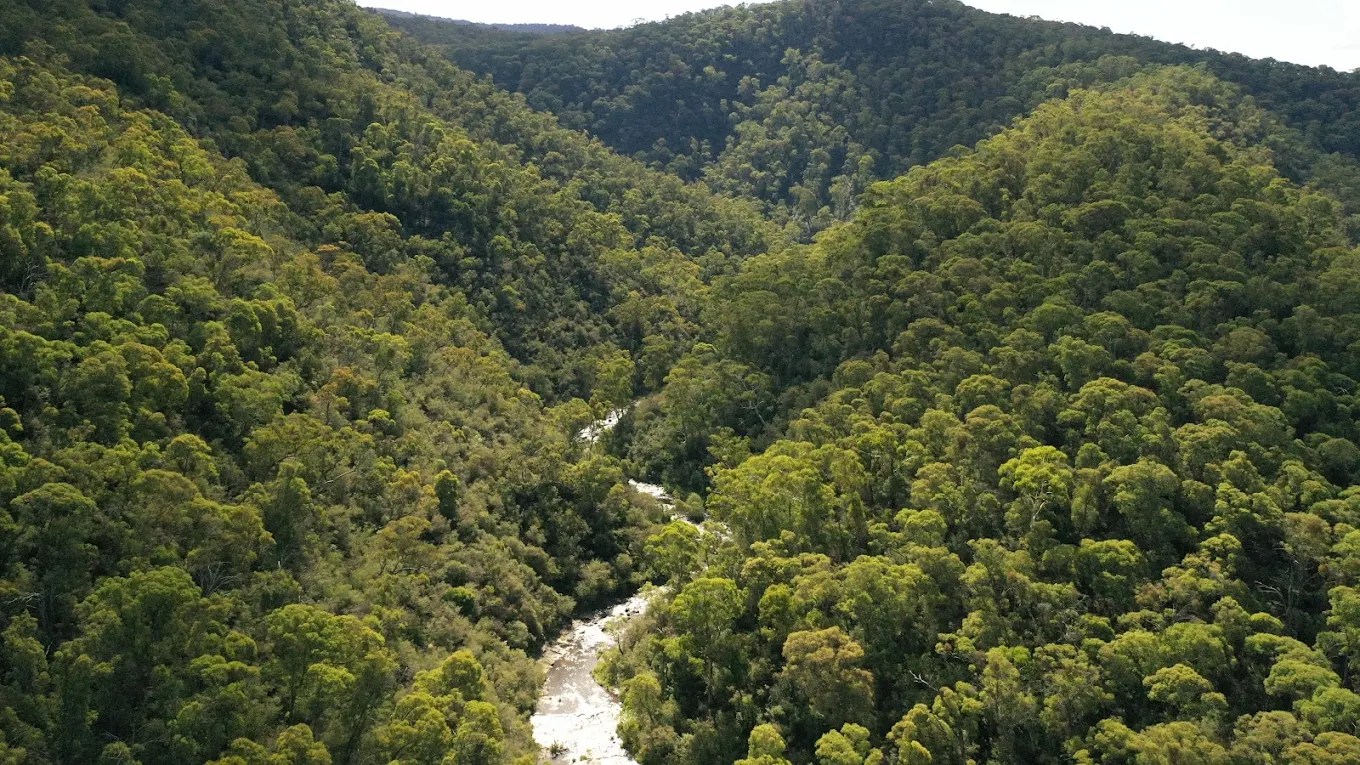
Pocked by mining leases, logging scars, square-cut plantations, irrigation plants, camouflaged big-fish enthusiasts and a surprising number of cycle tourists, there is undeniable beauty in the land’s resistance to human utilisation. Like fleas on a working dog, these irritations are quickly forgotten, atomic in scale in a continental realm.
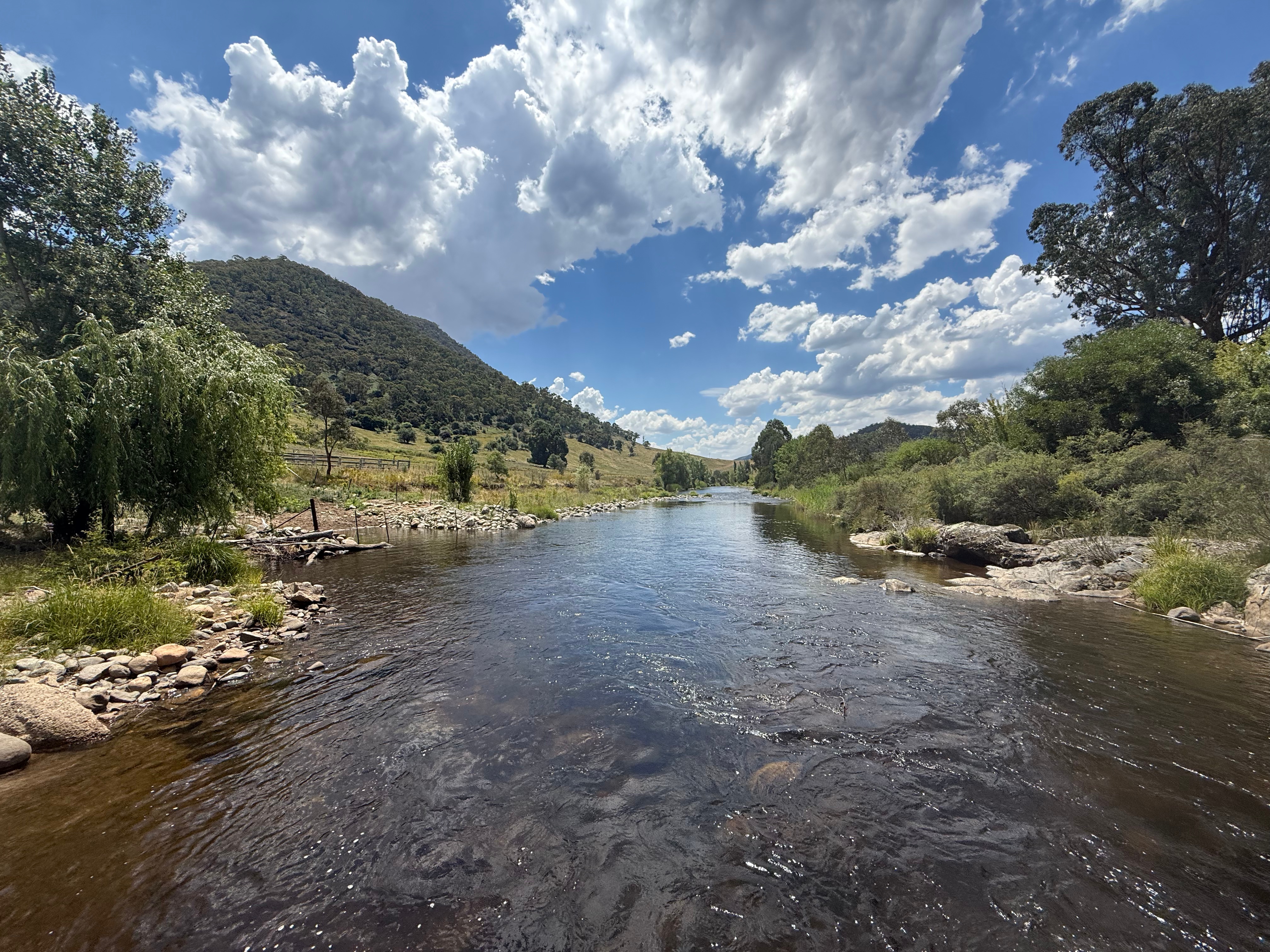
While there is a symbiosis between man and ‘the uncontained wild’, the terms are deftly defined by the land itself – the all-powerful roar of Wiradjiri Country. Pounding water sluices through, an artery of frantic flow, pulsing, reaching, an ancient rhythm that carves pathways both physical and subliminal.

There is a dizzying hierarchy of life: fish flick through the clear waters, crays snap between submerged rocks, and tiny fairy wrens swoop to drink in electric-blue flurries. High above, gan-gans, King parrots and Nigel, a solitary Yellow-Tail, are vigilant observers, bright eyes alert for movement, while at the river’s edge, swamp gums, apple box, black wattle and manna gums trail limbs in the clear water, as if caressing it.
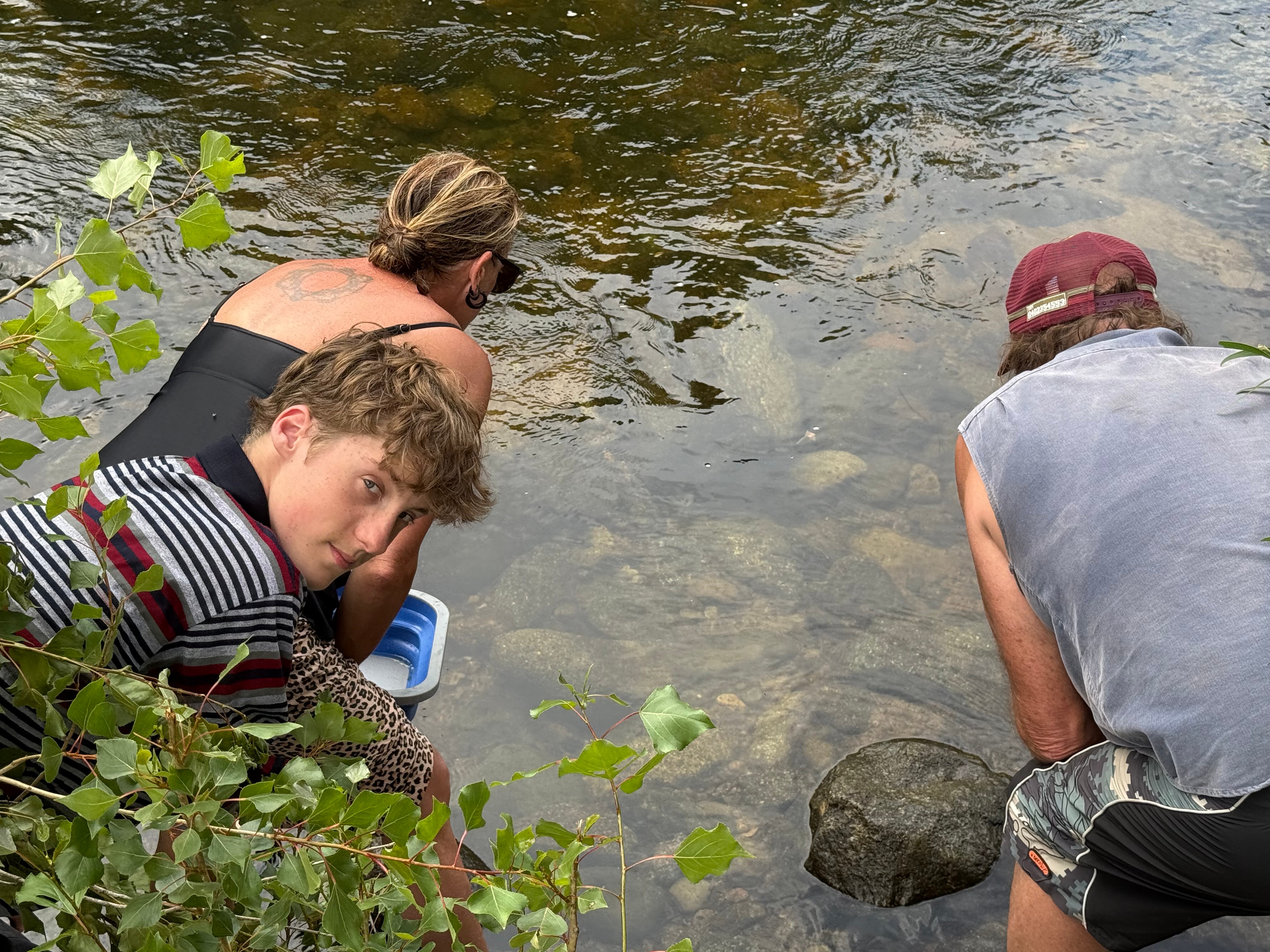
The Short-Lived Stanton ‘Endangered Cray’ Hunt

It is mesmerising, a solace to burnt-out fight-or-flight systems in need of a cup of tea, a Bex and a good lie down. Born of meltwaters, the Goobarragandra is icily fresh, but beneath the curling water-splayed light and amid rumbling stones, there is a rich sense of peace, as if the maelstrom of sound and spray cancels out the thrumming in my mind.
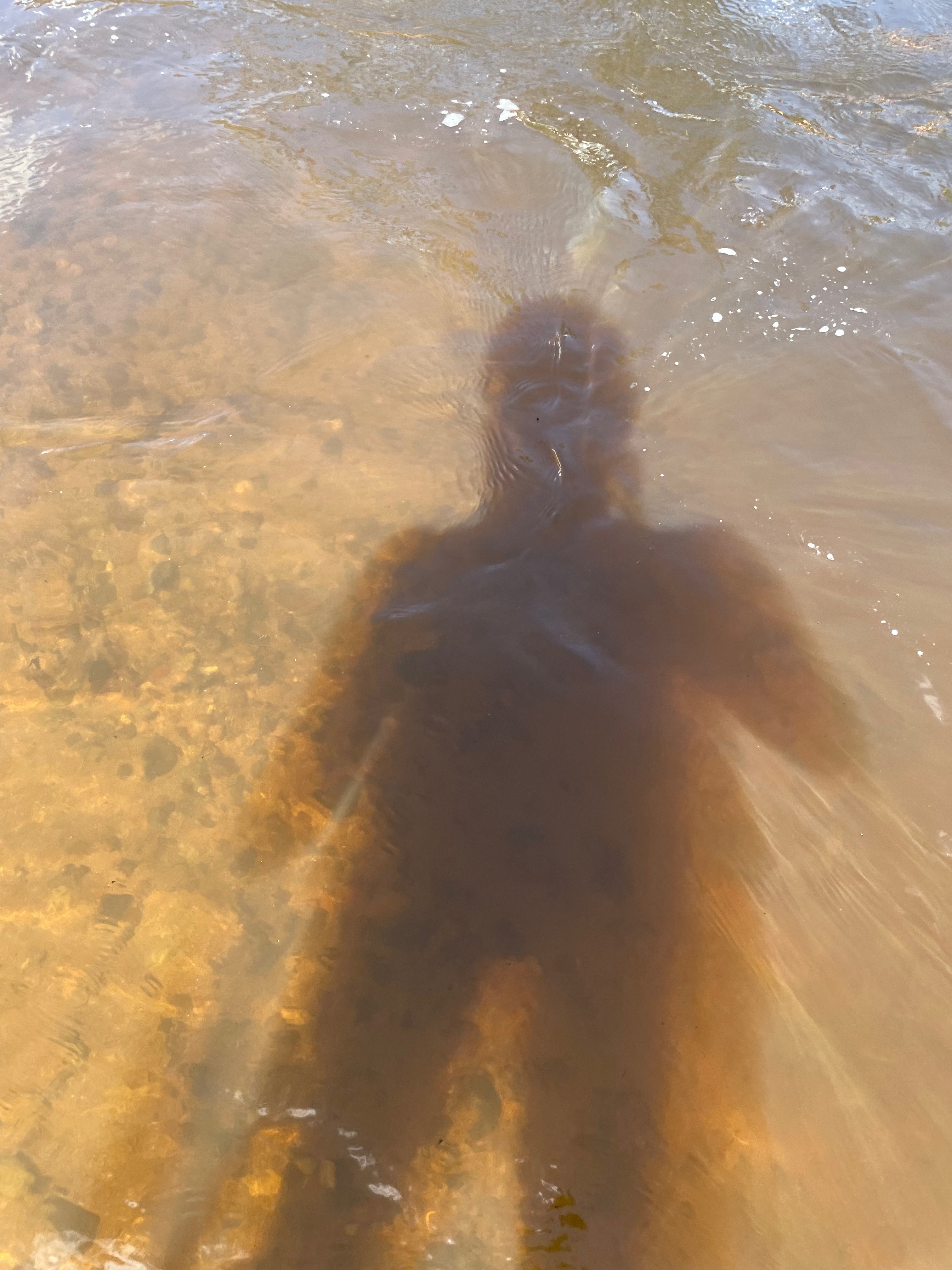
Etched in ancient desire lines, this valley was a meeting place (likely named for the red stone and ochre (gubarr) that paints the landscape) and a conduit to the Snowy Mountains for the Wiradjuri, Wolgalu and Ngunnawal people. People have been gathering here for thousands of years, slung in the river’s liminal net to eat, drink, hunt, live and connect with each other – and Country.
And at the heart of this river story are tasty moths…
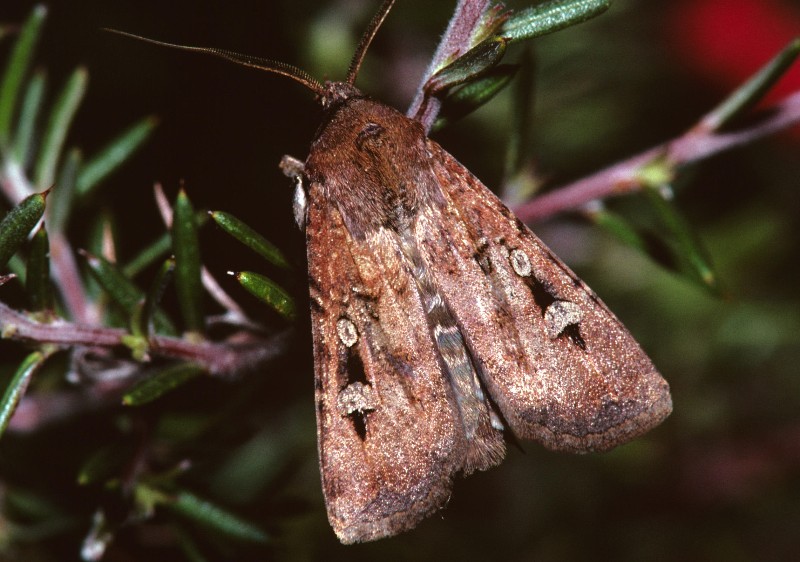
Bogong moths (Argyrotaenia infusa) migrate up to 1,000 kilometres to the cool caves of Alpine Country each spring, where billions of them lie dormant until after summer, when it is cool enough to return. It is believed the moths can sense the Earth’s magnetic field and use it to steer their migratory flights.
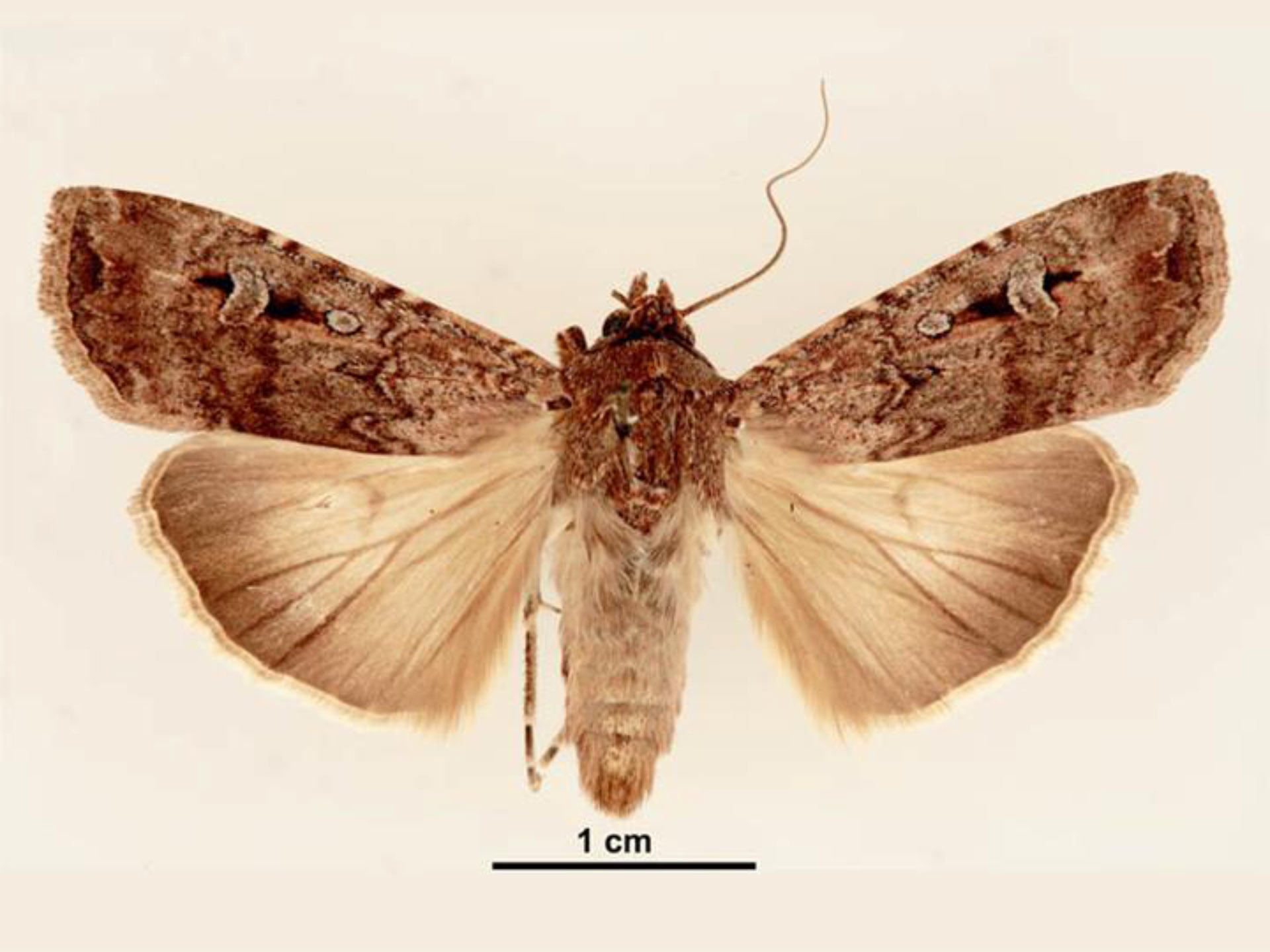
What is unequivocally known by Wiradjuri, Wolgalu and Ngunnawal peoples is that the moths are delicious.

Considered an ample food source due to their large numbers and high fat content, Bogong moths can be roasted over hot ashes. Legs and wings flicked off, the bodies are munched whole or ‘mashed into moth meat cakes‘, which are said to have a nutty taste, ‘somewhere between a walnut and a pecan’.

So it makes sense that between November and February, this valley would have been as busy as Wolli Creek Woollies on Christmas Eve, a steady thrum of activity, all eyes on the prize, a highway that led to the moth pantries of the Snowy Mountains, Brindabella Ranges and Bogong Peaks.
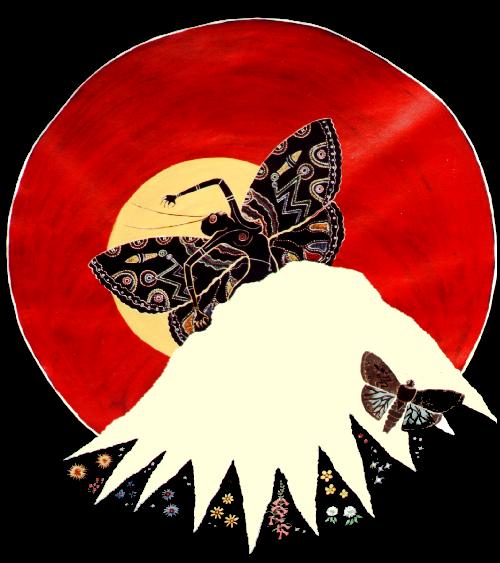
Myee the Bogong Moth Woman

Some oral histories describe only the men venturing higher into the mountains to hunt moths, scraping them from rock fissures in the cave walls. This ties in with local stories of how women would go some of the way before ‘camping on the birthing rock where the rivers meet’, at the confluence of the Goobarragandra and Bahloo (Moon) River. Here, they would create a birthing space, gather and prepare grasses and yams for the feast, and take part in women’s business before meeting the rest of the mob to eat and celebrate the tasty haul.

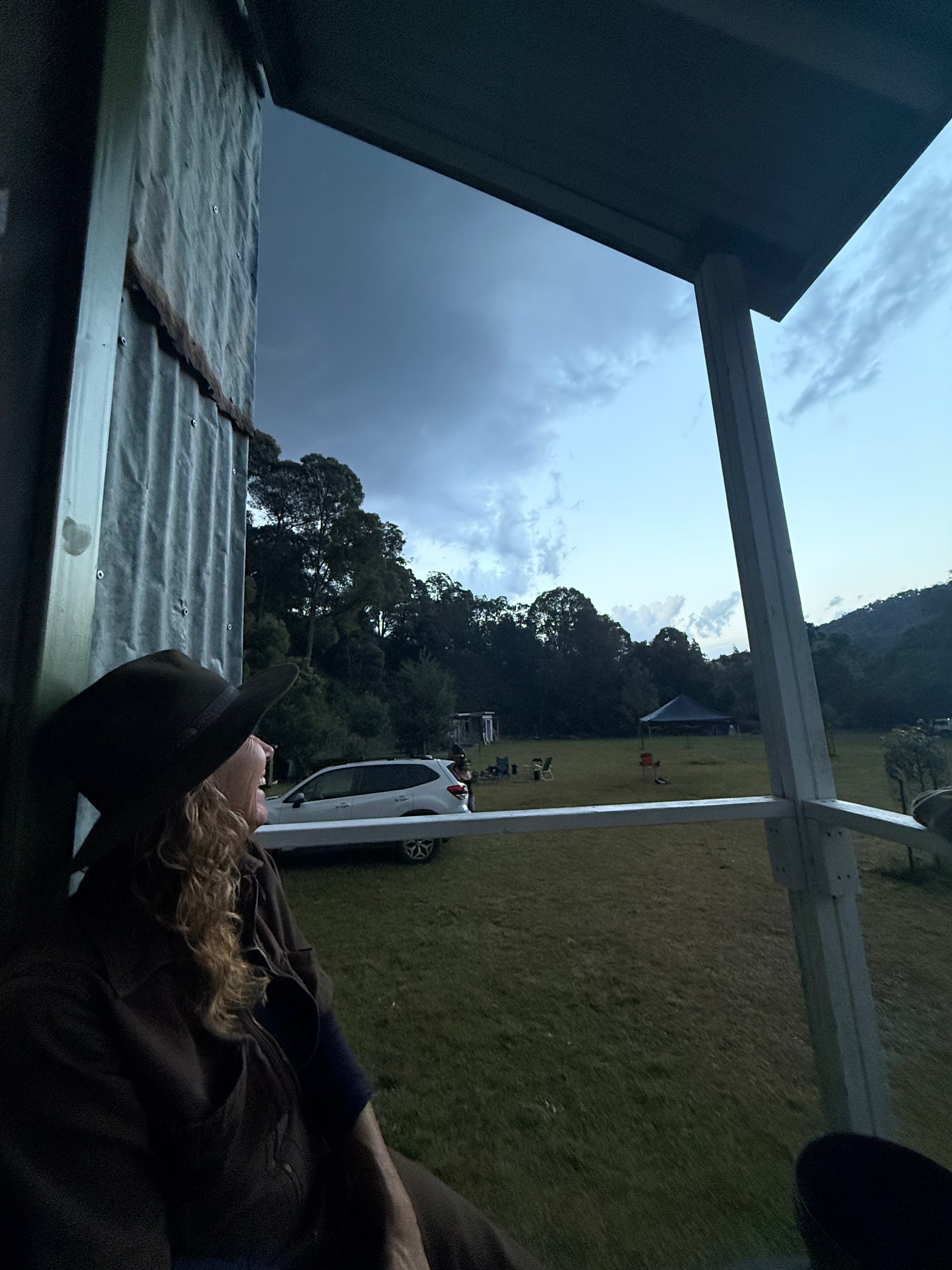
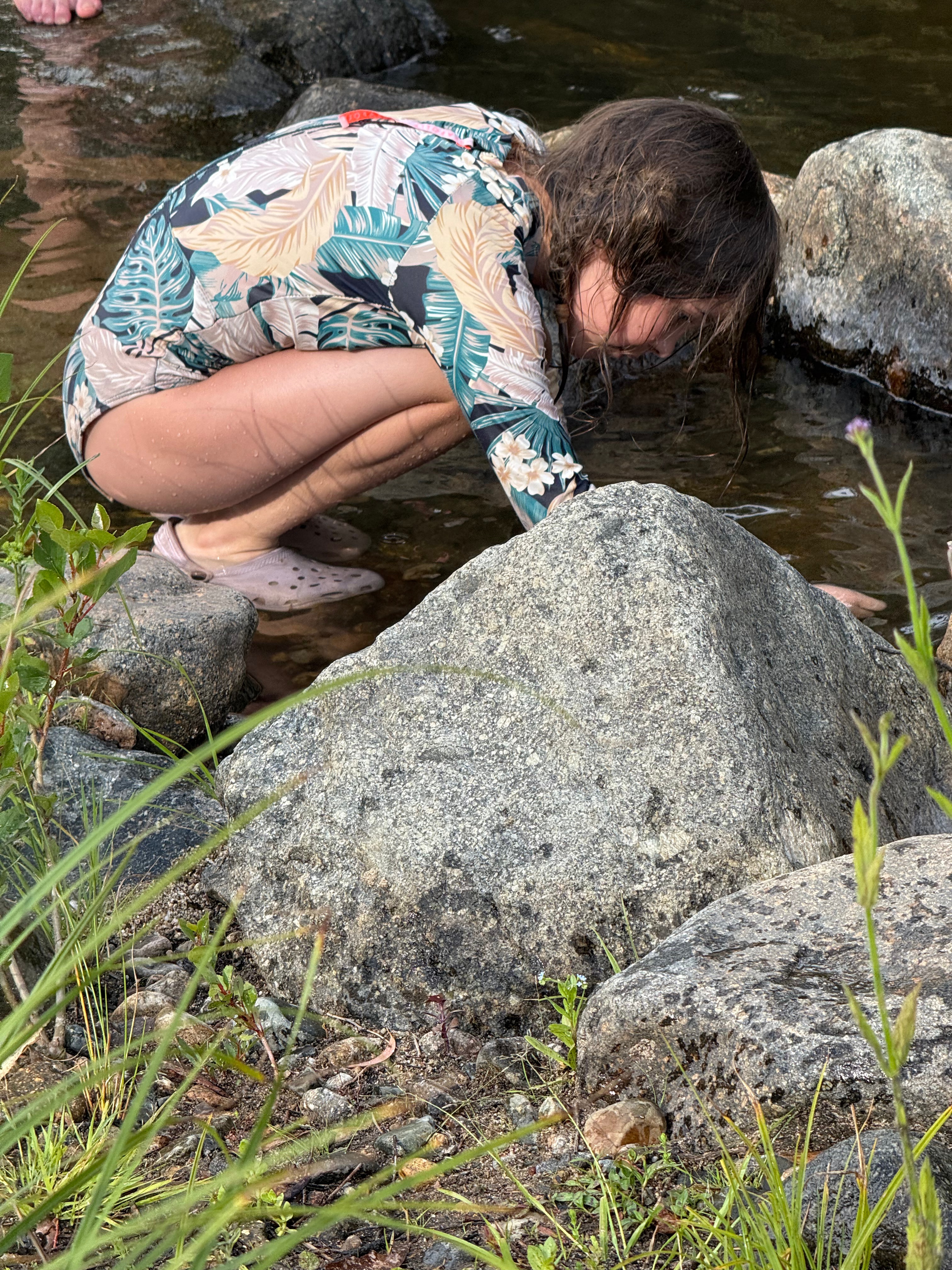
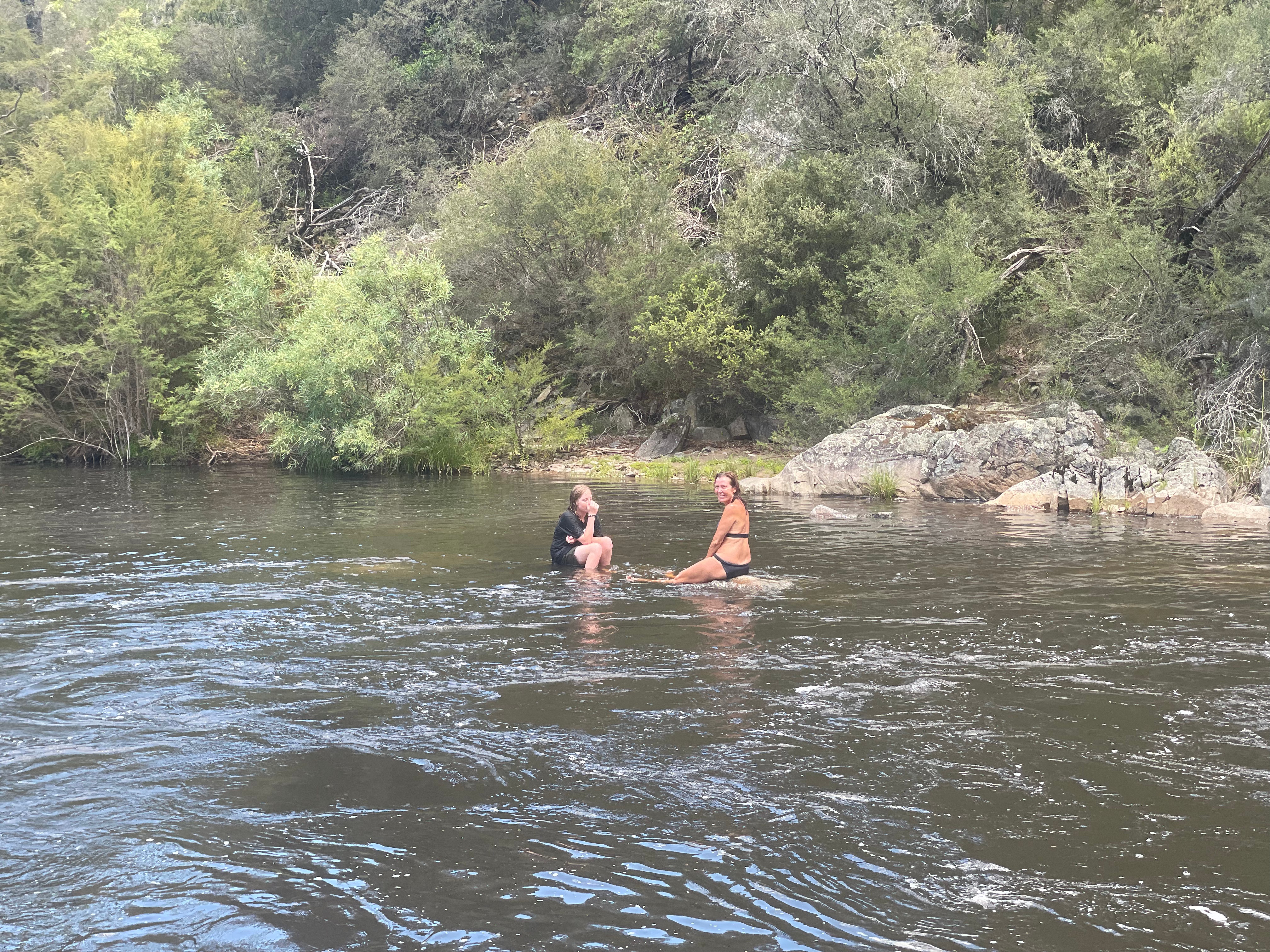
I like to think of the ladies reclining at the river, awaiting their fast-food delivery, cooling hot skin and resting swim-weary limbs on rocks still warm from the sun, as we do now…
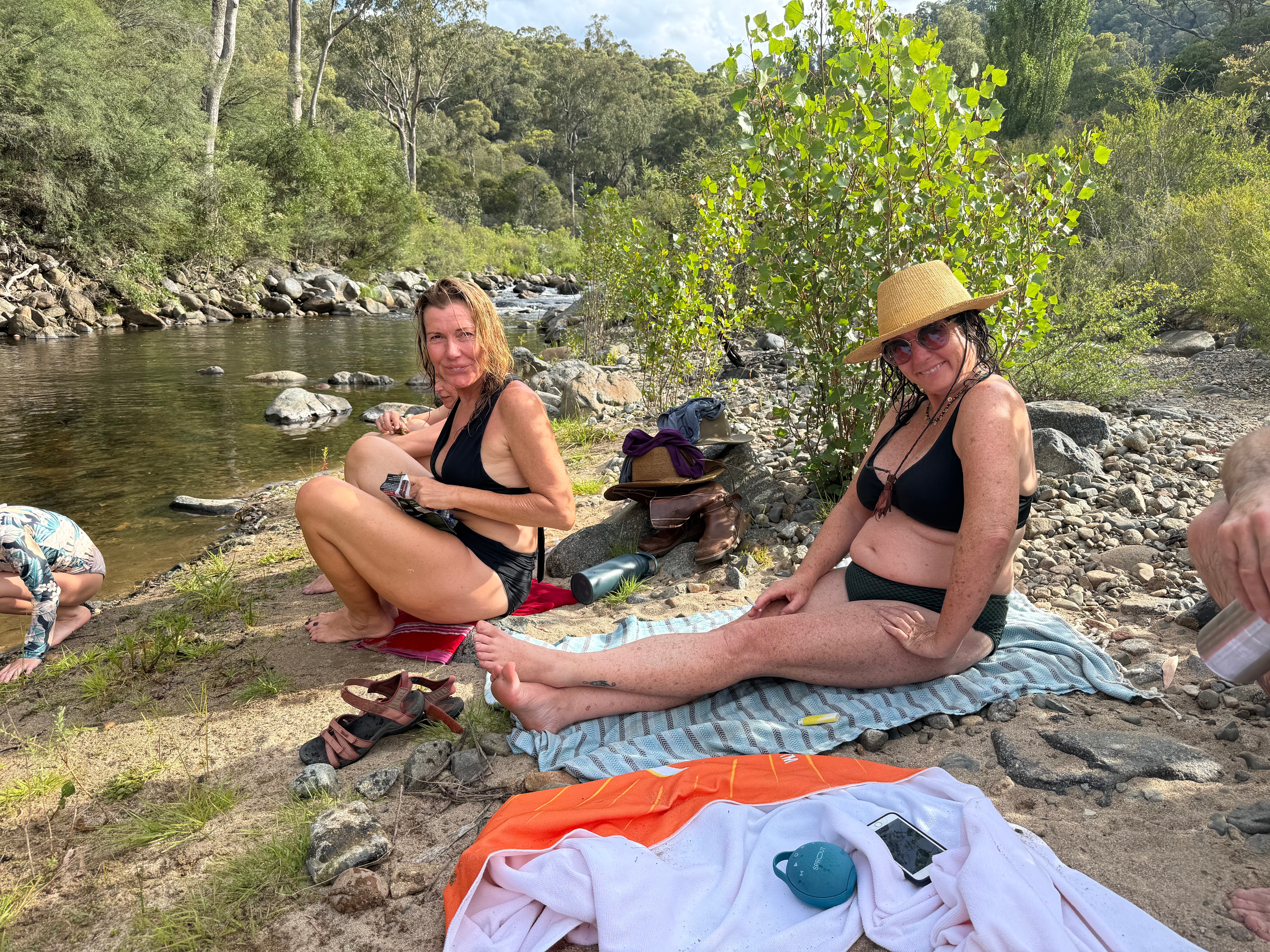
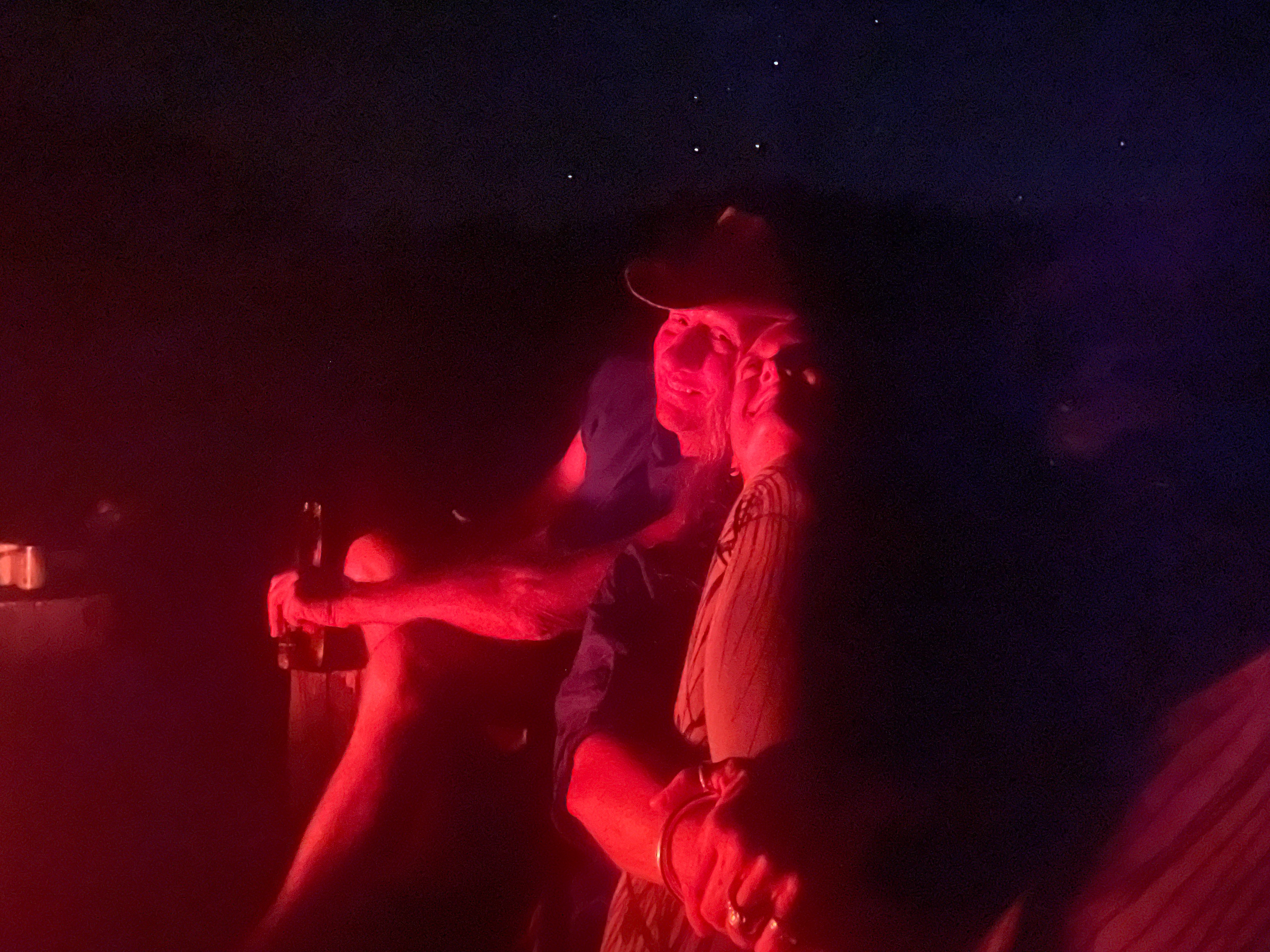
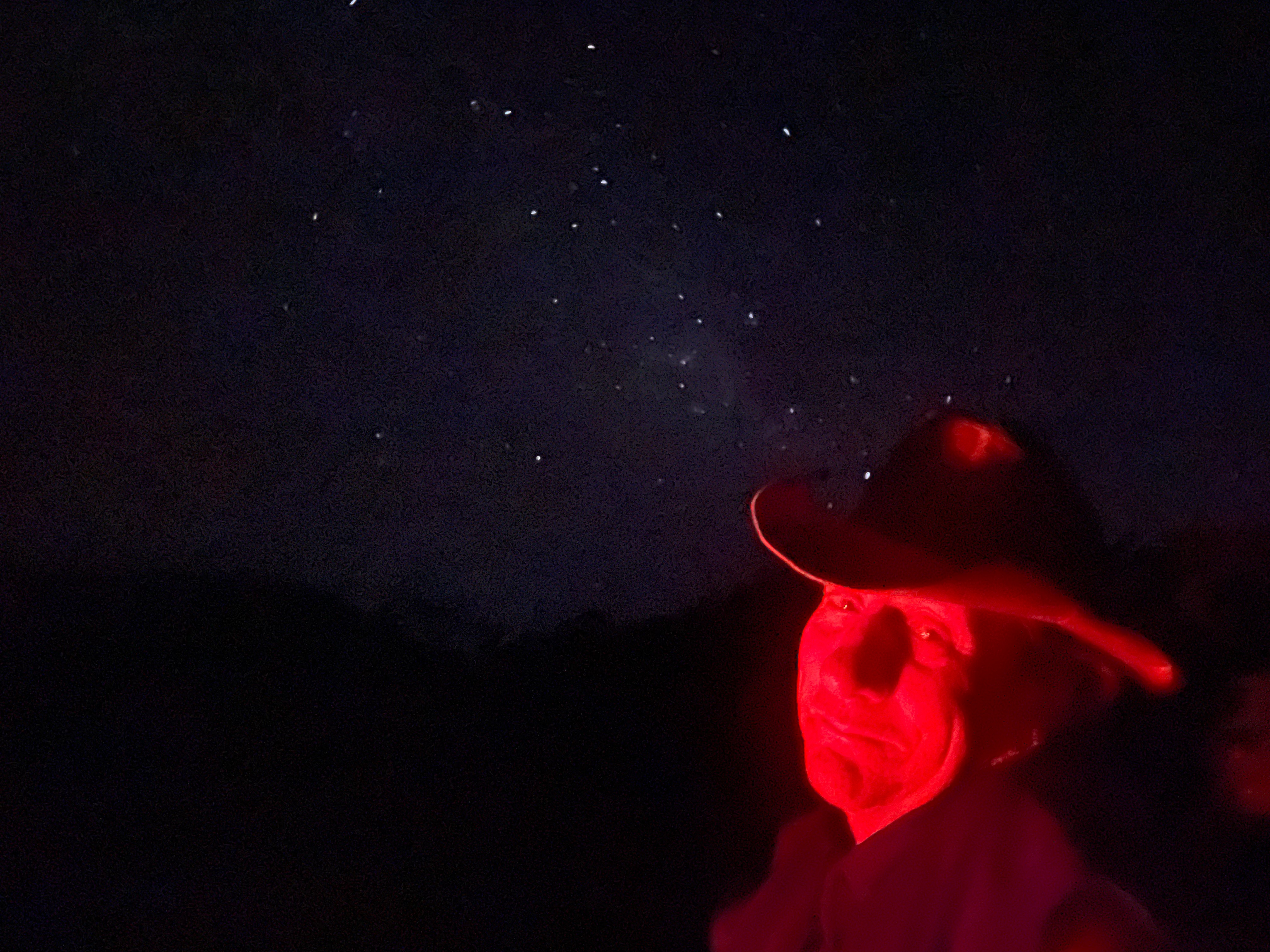
There is powerful dreaming here, of moths and river creation stories, of Gadi, the snake spirit of Bunyip Gully, and goanna, emu and eaglehawk ancestors. Each night, beneath a phalanx of stars, my dreams course with the power of the river, journeying, reaching for more, an endless kaleidoscope of light, colour and sound. And I wake up hungry.

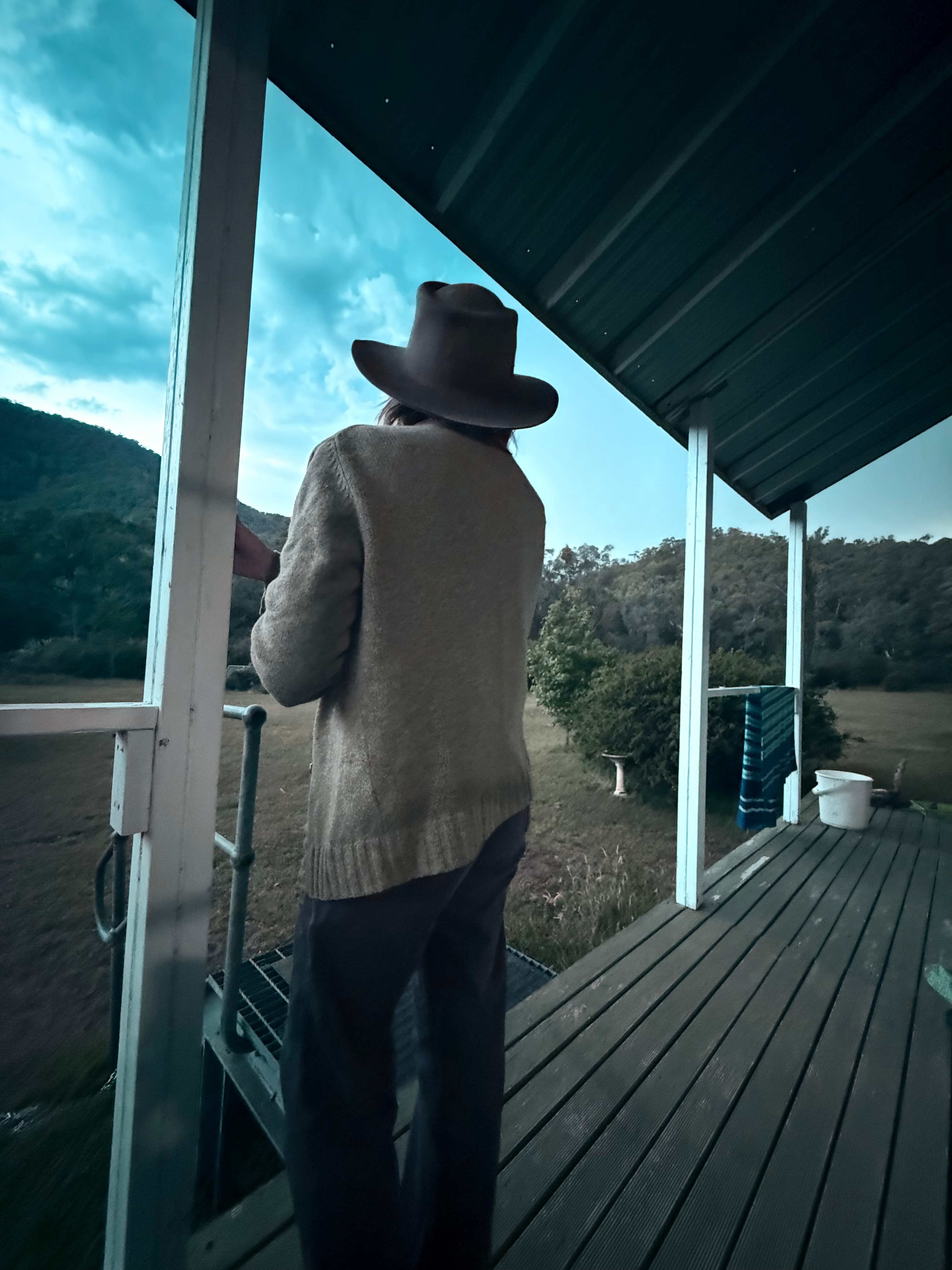
The Cowboy is convinced there is tractor dreaming here, too.
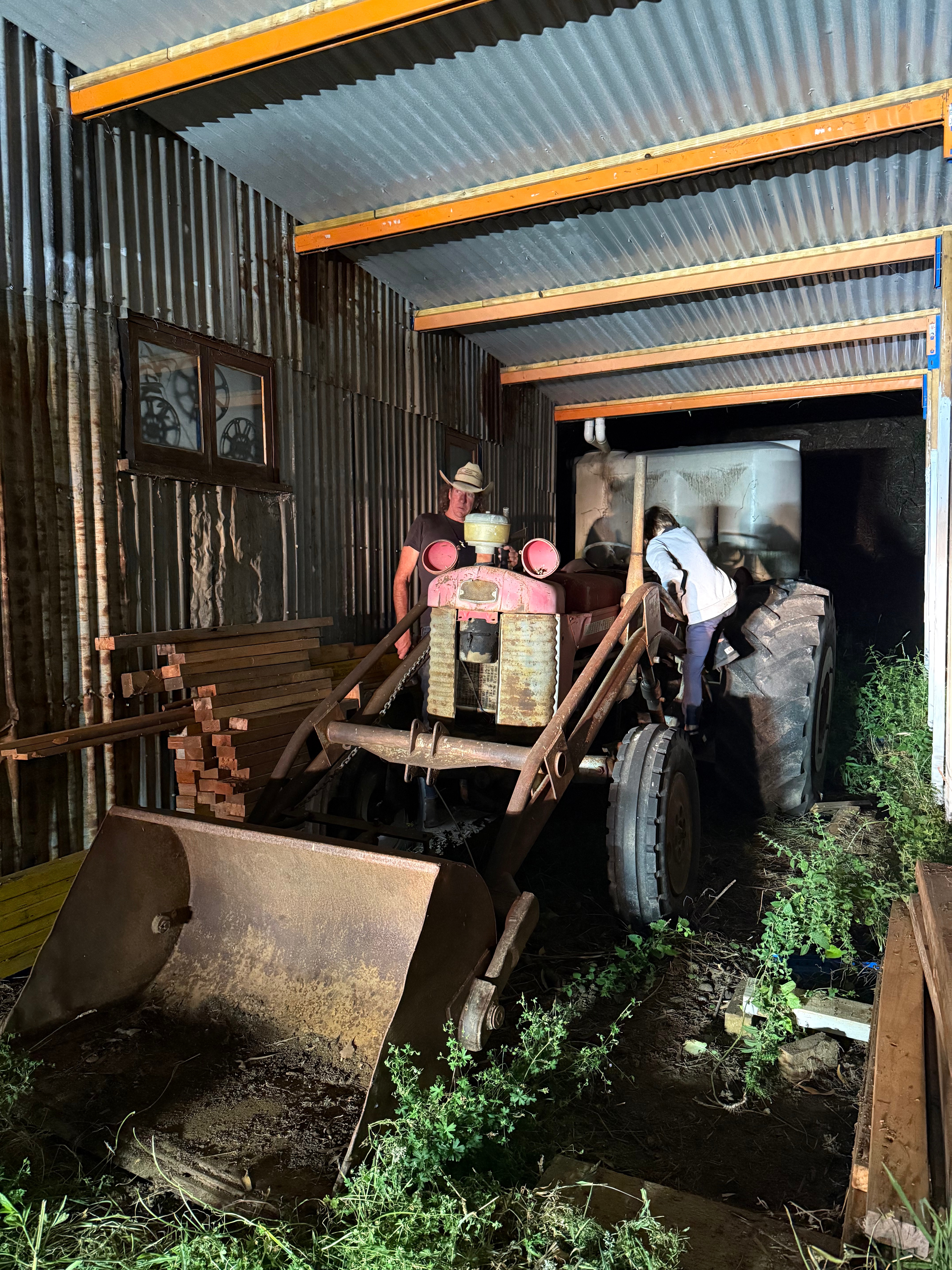
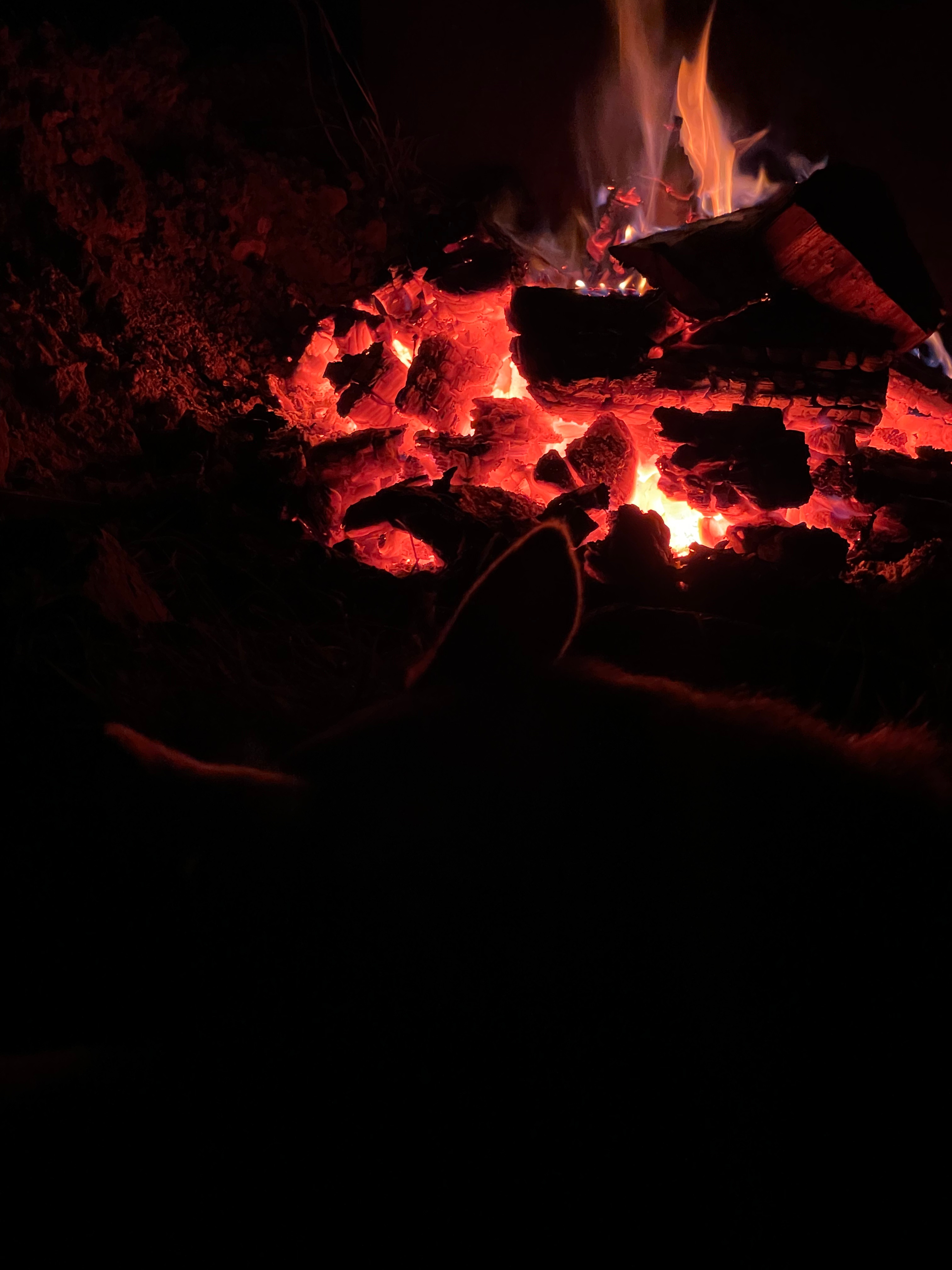
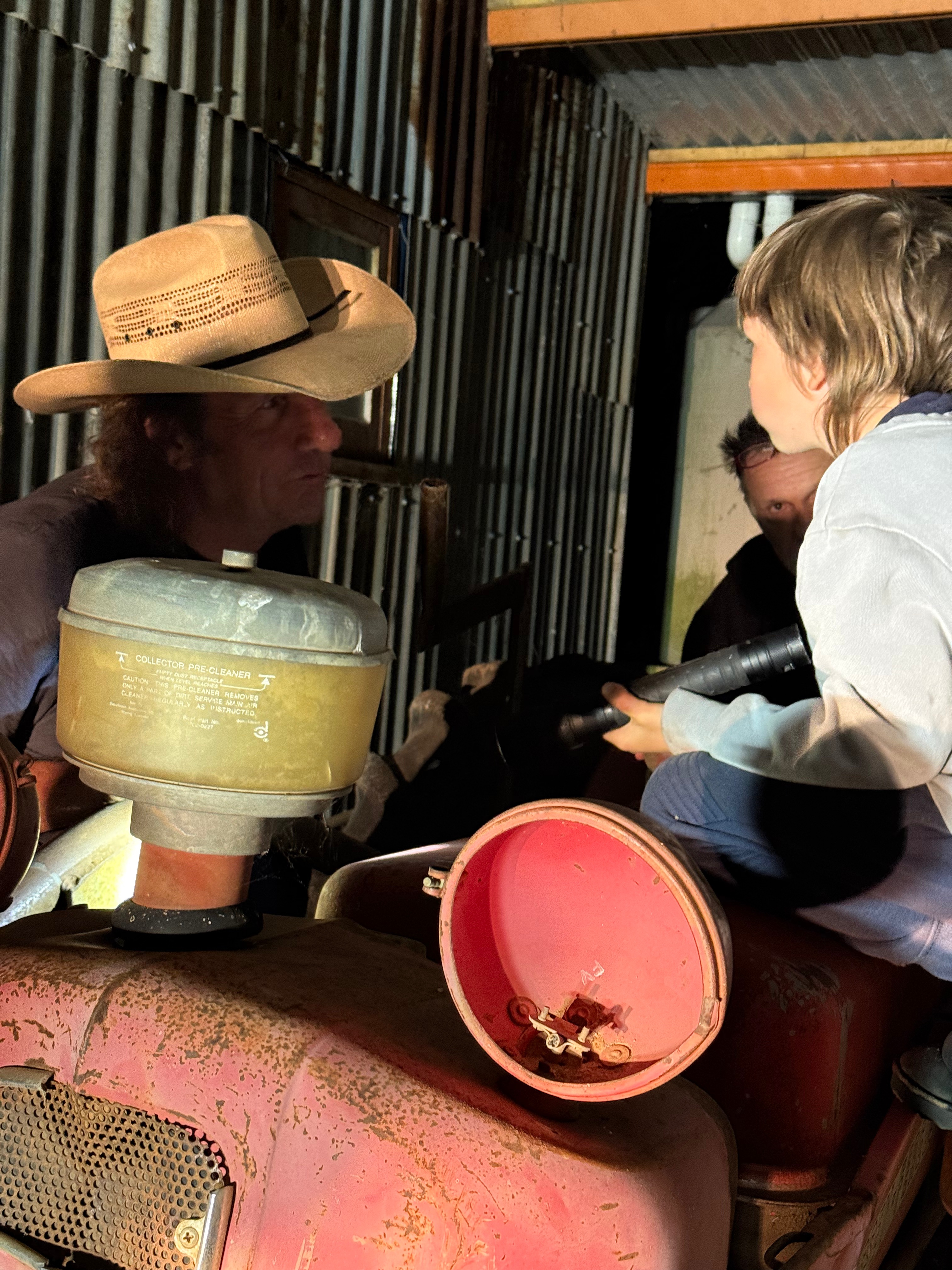
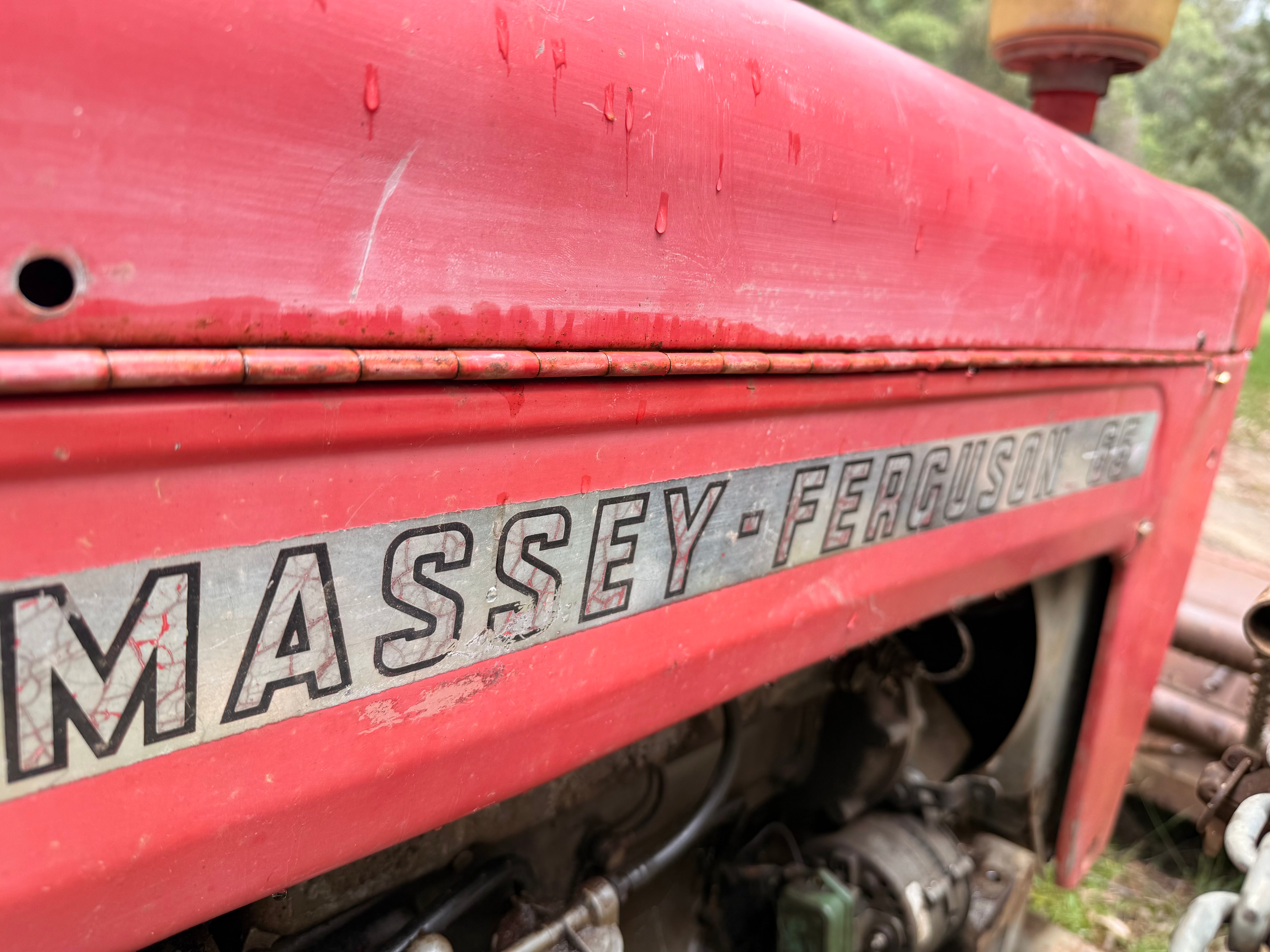
Specifically, a staid 50s Massey Ferguson, soon to be liberated from a long dormancy. She has no brakes, but rumbles along slowly enough that he is content to ride her like an old nag, patting her flanks affectionately each time he mounts her. And, despite it taking 47.5 hours of tense mechanical negotiation with a block hammer and two cans of Start You Bastard to get her running, the joy of tractor dreaming is a rich history that will live on through the generations, a tall tale to be shared around the fire.
In this ancient firmament between water and sky, life is slower, steadier, richer. There is a languid pace, hours loosely stretched and slack with misuse, time ticking past at a resting heart rate, a horizon that stretches to the sky, surging with space to breathe.
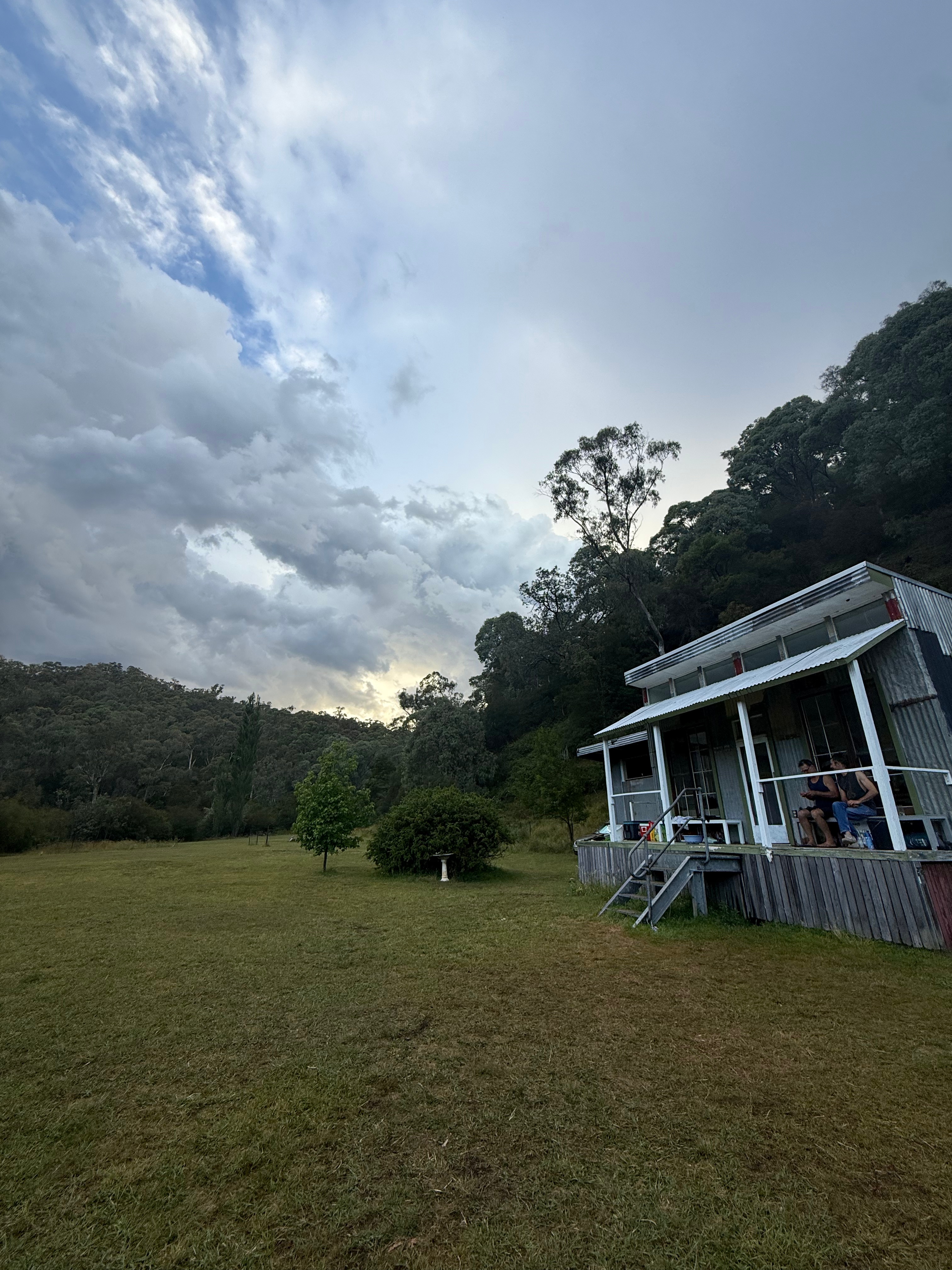
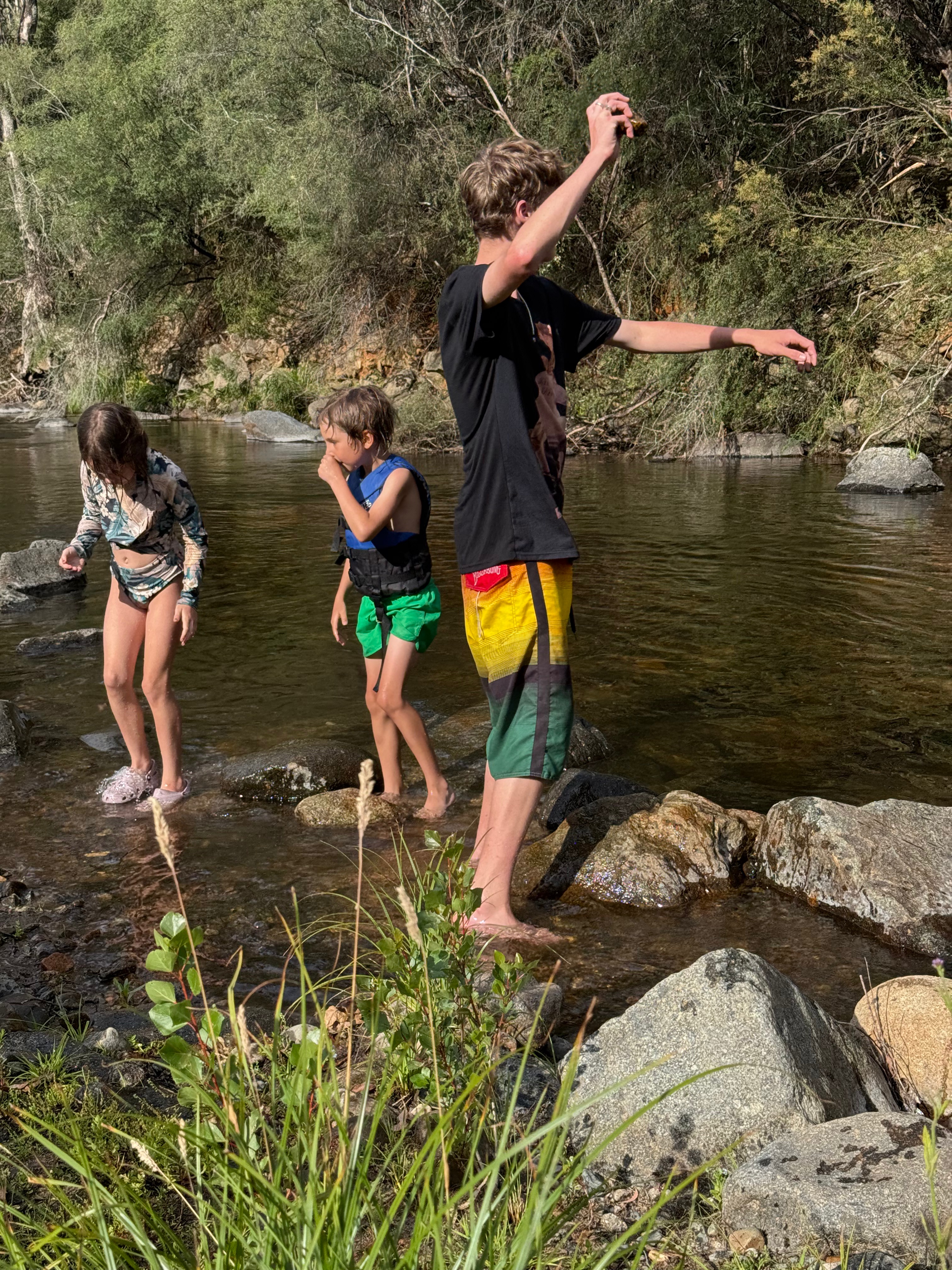
We eat, drink, fish, swim and repeat, lounging like freshwater seals in the cool depths, watching the clouds from beneath the surface, and letting our minds wander, beholden to the river. Always the river.
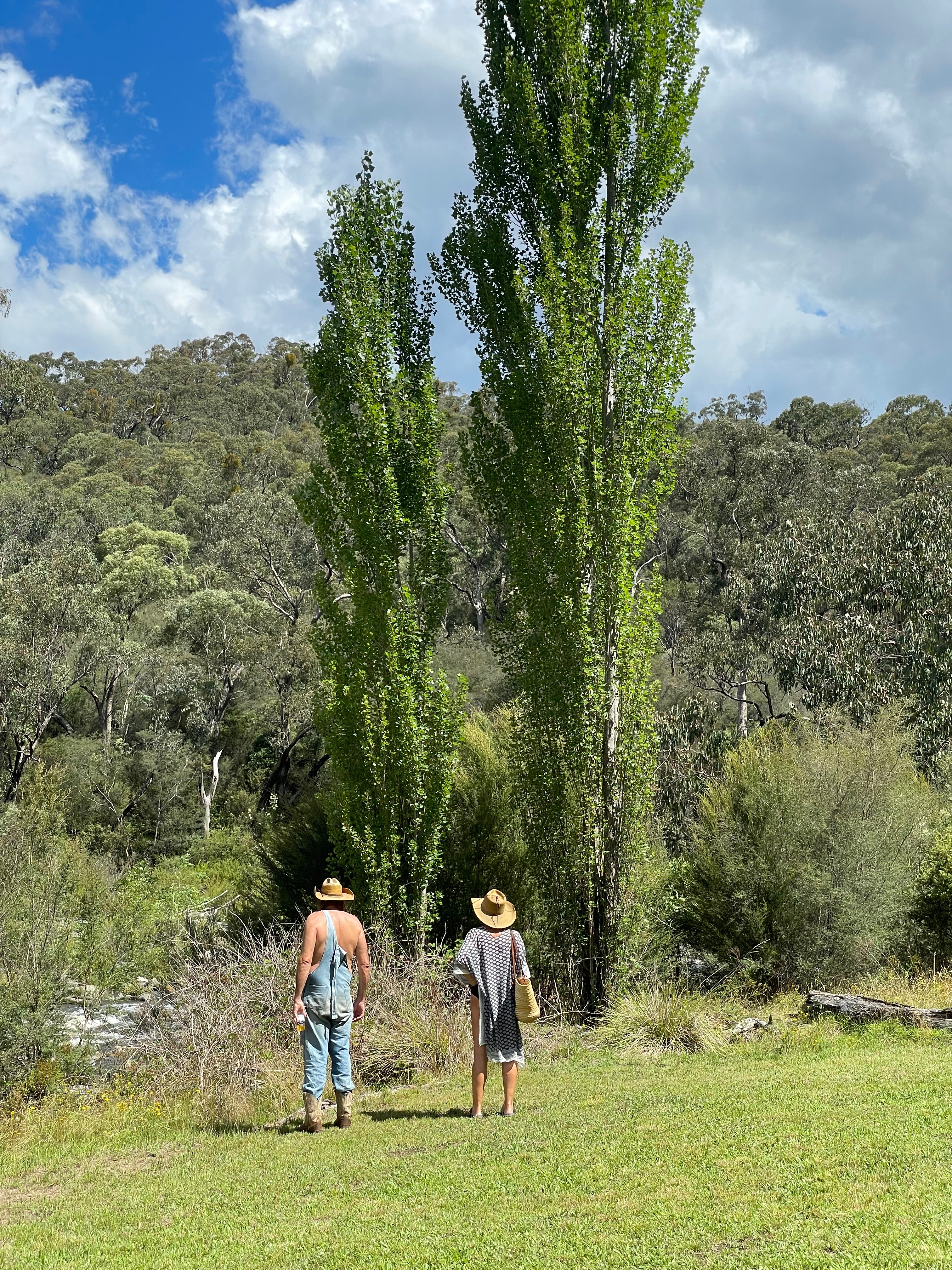
Well, all except those who have chosen Massey Ferguson as their new god.
In the time of picnics

According to the NSW Government, on secondment from governing and moonlighting as health professionals, September 2021 is picnic time:

Households with all adults vaccinated will be able to gather outdoors for recreation (including picnics) within the existing rules (for one hour only, outside curfew hours and within 5km of home). This is in addition to the one hour allowed for exercise.

https://www.health.nsw.gov.au/

Parks throughout the Greater Sydney Basin are brimming with socially distanced crowds, interspersed with authority figures to verify vaccination certificates. And while there is a palpable sense of relief at this easing of restriction, there is a Pythonesque element to this decree. Picnic hopping is now a thing, along with exquisitely delineated schedules that incorporate five, six, seven events adjacent in the park, and an overindulgence in cheese.

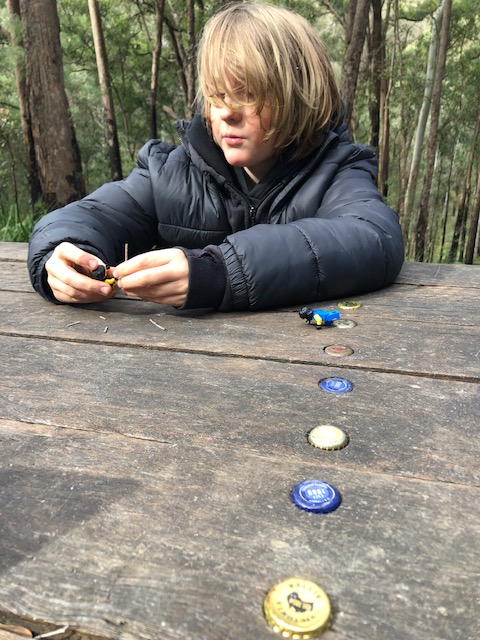
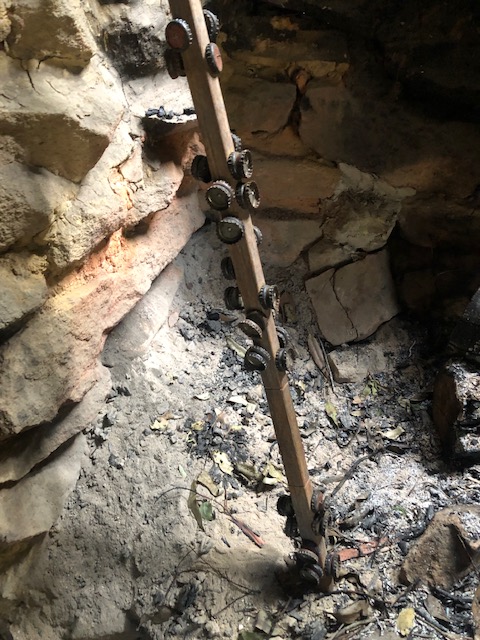
Never ones to break the rules, we too decided on a picnic in a park, albeit a national park, at a table scored by eons of time and beer-bottle tops, far from civilisation and with not a soul in sight.

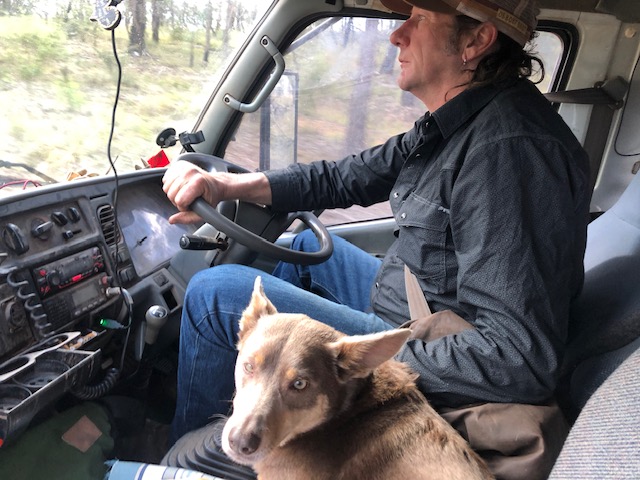
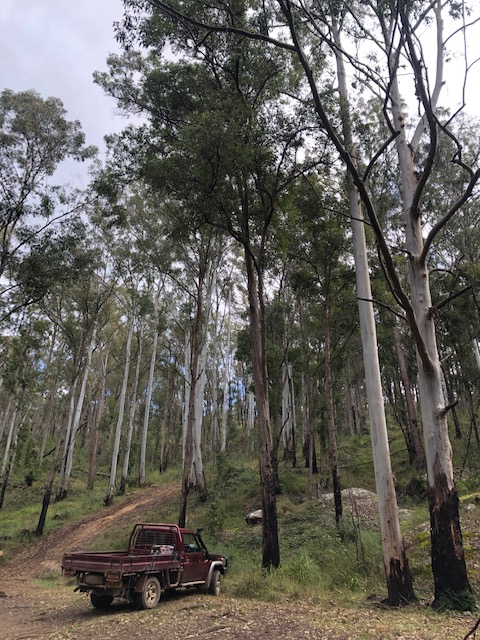
Deep in the Wollemi, beyond the fringes of remote, along washed-out fire tracks and dirt-choked run-offs, this is 4WD country, the smell of diesel and hot brakes a sticky perfume that garlands the blue haunches of Mount Yengo and Pon Pon as the the convoy jolts deeper into the interior.

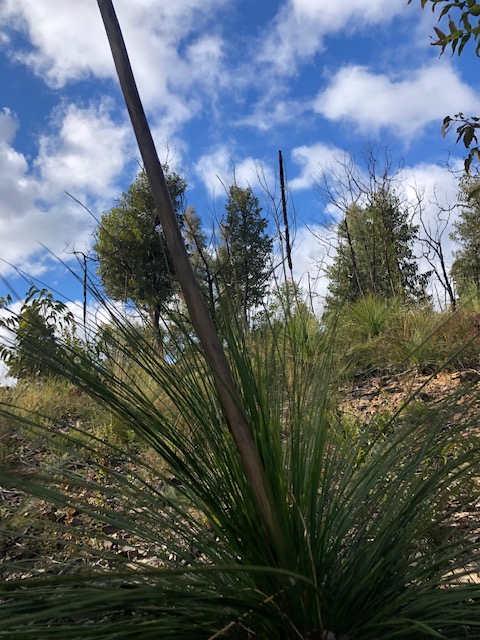
Captive of Pierce’s Putty Valley Tours – track-felled trees our speciality! – all we know is we’re heading west, along spine-like tracks said to follow songlines. This is Darkinjung Country in the shadow of Mount Yengo, where the dreaming speaks of silver-lipped gums, dappled light falling on gullies of unexpected flowers, and soaring grass trees. impervious to anything but a proud primordial form.

The peak of a dormant volcano, traditionally used for learning and ceremony for tens of thousands of years, Mount Yengo is rich with cultural significance. It is to the clans of this area as Uluru is to Central Desert communities, a sacred space that thrums with a pulse as old and deep as time itself. With a plateau’d top, the ancestral story of Mount Yengo depicts Baiame, a creational figure, jumping back up to the spirit world after he created the mountains, lakes, rivers and caves in the area. When he sprung skyward, Baiame flattened the top of the mountain. A landmark visible from every direction, Yengo is our guide as we venture further in, its stories cloaking us.

Pierce’s Putty Valley Tours come replete with stories, too. Theirs are lives lived in the very heart of this place, from grandfathers who built slab huts by hand to fathers who cut in the tracks with dozers and heavy plant equipment, through a landscape wild and untamed, ceding just metres a day. Each generation protects it, too, their stories secrets shared with only a few, or at least never pinpointed on a map.

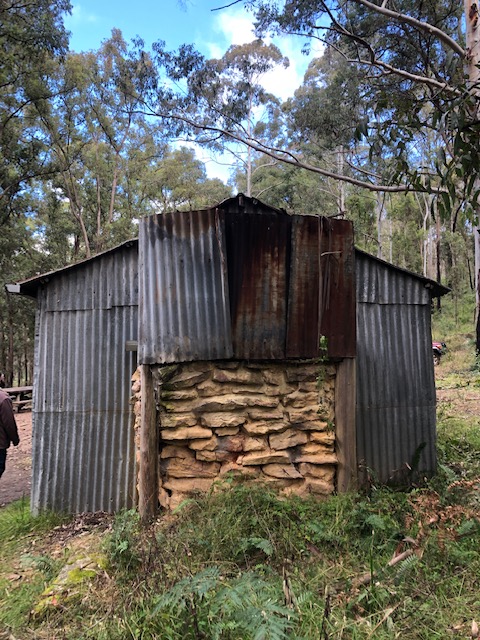
And while the Sheepskin Hut is marked as a campground on the National Parks website, littered in 4WD conversations and the pinnacle of trailbikers’ torrid retellings, it is a lonely place rarely visited, a step beyond hillbilly haunts that spew woodsmoke and juice from the still.

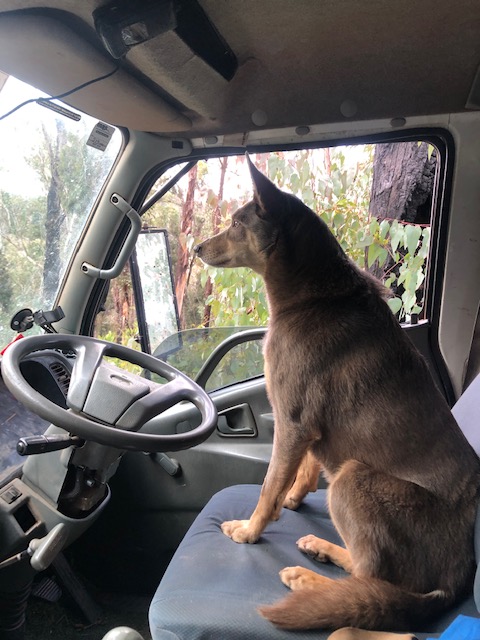
When the hordes who’ve escaped the confinement of the truck quieten, it is still, listless; engines tick as they cool, a whip bird calls out caution. It is as if time forgot.

From beyond Kindarun Mountain, Wollemi and into Wiradjuri Country in the interior, this was a staging post on the stock route east. Drovers would graze their mobs here before the final run to the coastal markets. It is a lonely reprieve, but its functionality – built by men on horseback, carrying tin, carving stone and timber from the landscape – would have softened tired eyes and sore bodies.

One side of the hut is for animals, a tin umbrella on poles to shelter their ears, The other is a raw-hewn structure that is stained with stories and thick with ghosts.

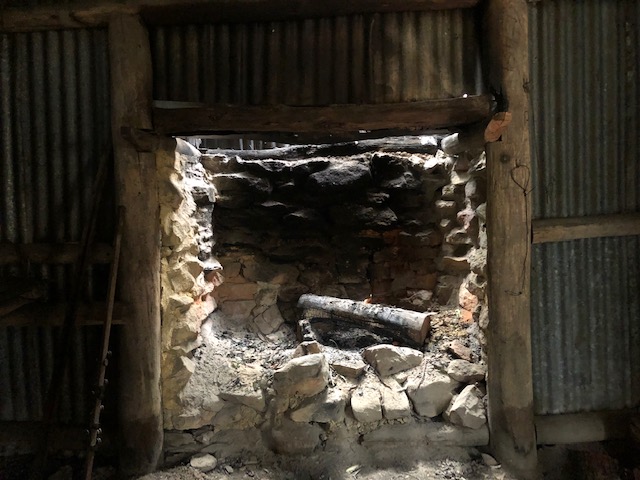
Inside, the tin is singed, mottled with use, a cow cocky’s musings cast in leaded scrawl. The floor, compacted dirt and beer-bottle tops, is hard and cold but flattened for a swag. A broad-hipped fireplace holds a memory of raging heat, a lagerphone slouched against it happily worn.

The stink of old dung and smoke still lingers, and the ghosts are quick to let us know they are here; tin cups and horses’ bridles clink and jostle, moonshine slops in a barking laugh, an animal snorts in the dark. Tall tales swirl in the smoke, the weather catches in a rattle on the roof, and a rustle of wildlife in the thick undergrowth causes the dogs to snarl.

I can imagine the Sheepskin Hut, respite to a mob of travelling souls on the long journey east. We scoff damper and hard-boiled eggs, cured meat, beer and a billy of tea in salute to the old timers, aware that our only stock concerns involve running out of diesel.

The locals say there are rock petroglyphs in the area that feature sheep, drawn by the Darkinjung people, as this is their Country. I like to wonder at their wonder upon first meeting a sheep… let alone a mob of them driven by hatted men on horseback, the scent of sweat and durries ripe on the breeze.

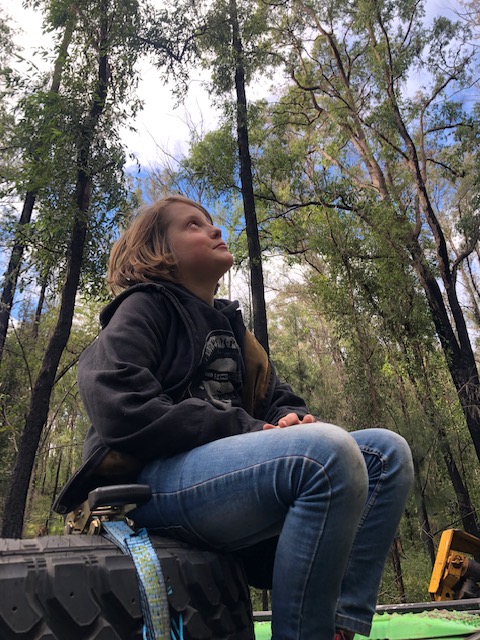
The tall trees above us are part of a thick eucalypt forest of mountain blue gum and rough barked apple that slopes towards Doyle’s Creek, home to raucous gang-gangs that drop seeds and attitude from up high. We investigate the creek, marvel at the enormity of the canopy, and shiver a little, ghosts and the weather wrapping themselves around us.

We don’t stay long at the Sheepskin Hut. It entreats you to build a fire, settle the stock and bed down for the night, and though there is no doubt it can fit us all, its bare bones are cold to the touch.

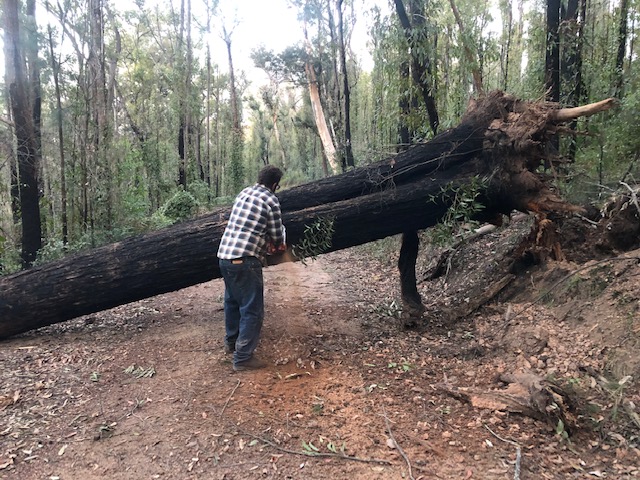
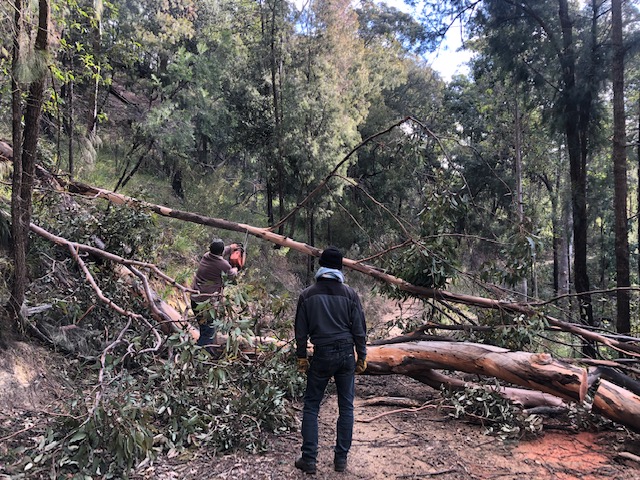
Nature has the last laugh though, as is so often the way. It takes three hours to weave our way out, a ribald game of fill your boots with sawdust in play. Strong winds that rocked the Hunter two days earlier have littered the tracks with downed trees, giant obstacles that prevent escape.

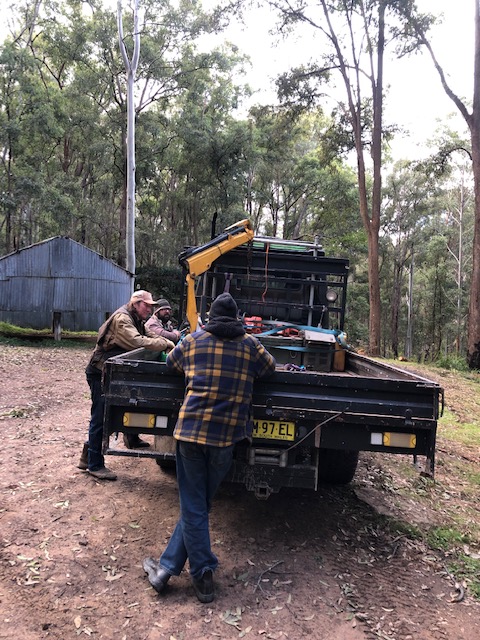
Fortunately Pierce’s Putty Valley Tours – track-felled trees our speciality! – come prepared, a barrage of chainsaws revved and ready.

After 13 impromptu stops, chains loosed, diffs locked, coated in mud, we emerge from now darkening valleys. As our noise dissipates, the silence falls again on a world that seems intent on keeping the picnickers at bay.

I can understand why.