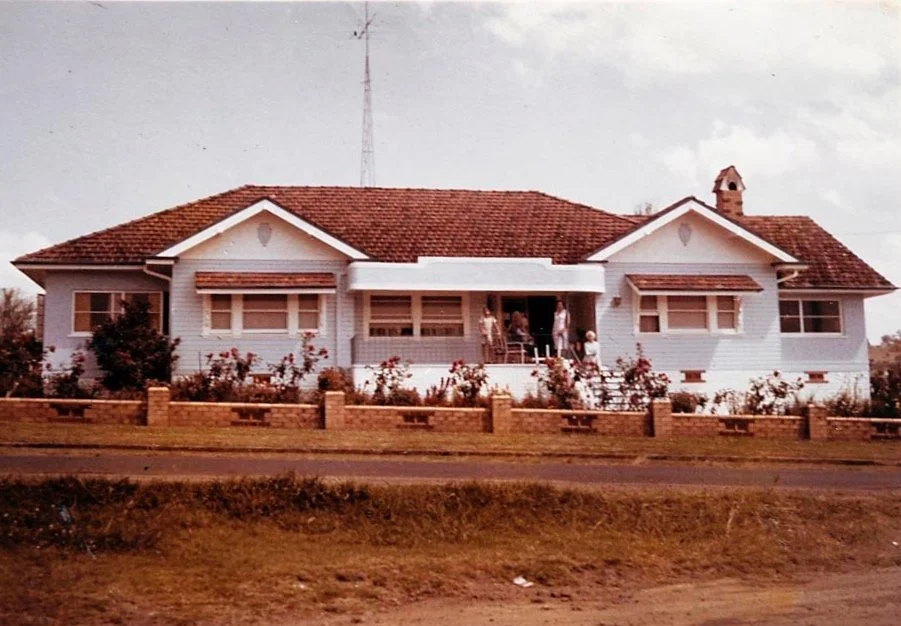
Fronting the busy torrent of Ballina Road as it rushes inexorably into Lismore, Melville House sits anchored, sedate, an immovable river rock that forces life to course around it as it flows downhill.
This home wears 80 years of family history like a cosy cloak, an island in time’s storm that shelters stories of the past. Built to house Norman and Myrtle Melville in 1942, today it is home to their great-grandchild, Charles, a man who cooks a mean spinach pie.
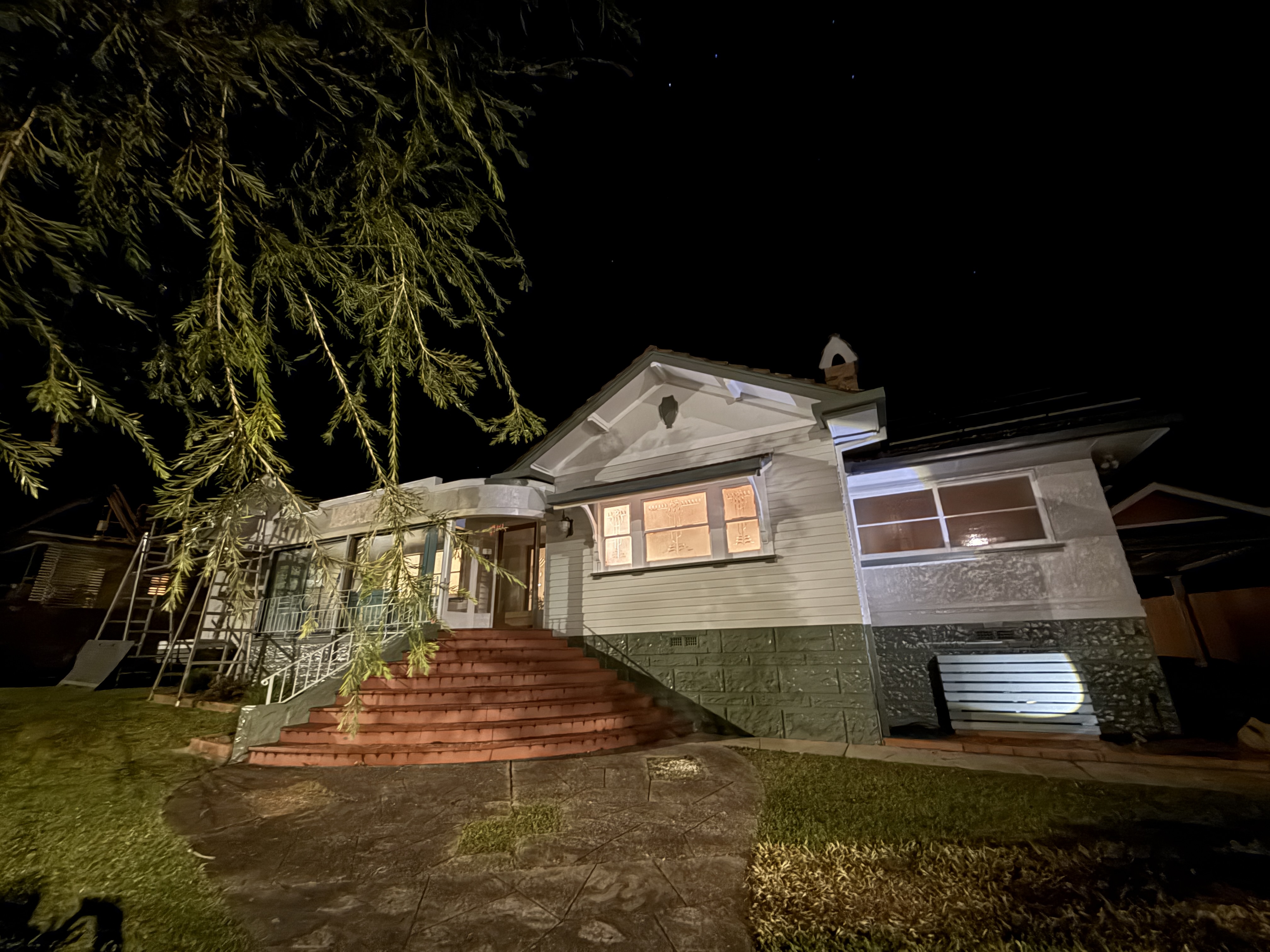
Melville House was the original family home of my great-grandparents Norman and Myrtle Melville and their daughter Joan Cila Melville, my grandmother. My mother was born in Lismore, raised here in this house, and not long after, it became hers. In the 1980s, she transformed it into a Bed and Breakfast. I also grew up in this house, and now I’m proud to take care of it and to continue its story.
I meet Charles when I first arrive; as if by magic, he appears, courteous, interested and interesting. He is an eloquent storyteller and deeply dedicated to this beautiful place, although he mentions the attraction of a ‘one-bedder with no maintenance issues’ more than once…
He tells me that Norman and Myrtle built Melville House for their daughter, Joan. Tragically, Joan died, leaving her daughter – Charles’ mother – to be raised by them in the house. She, in turn, raised him here.

Myrtle and her twin sister Ivy proudly overlook the front atrium, knowing, fun and welcoming. Ivy was widowed, and Norm and Myrtle invited her to live at Melville House with them. I can imagine their laughter resonating around the warm bones of the house, it’s expansive design a haven in a post-war world.
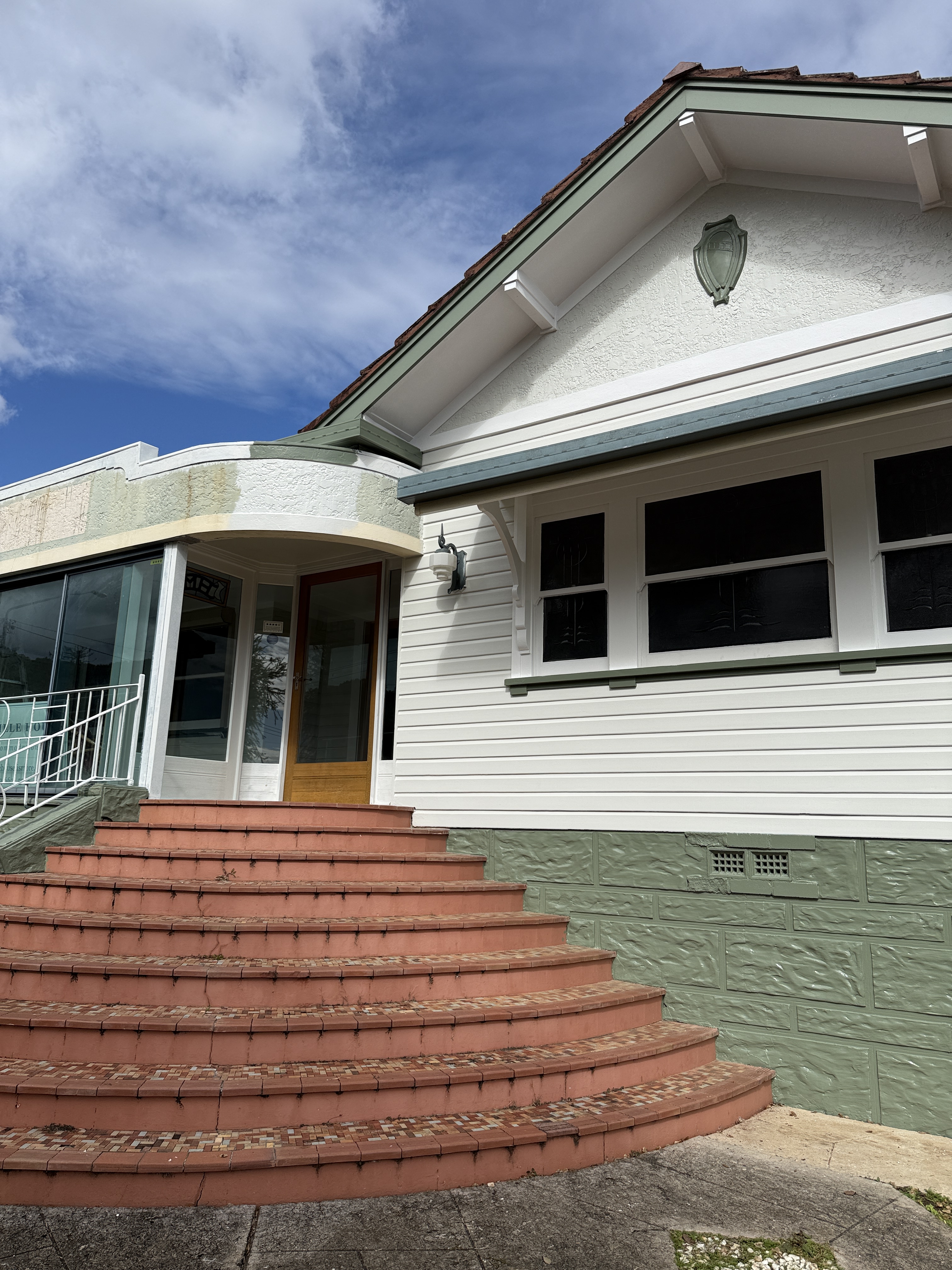
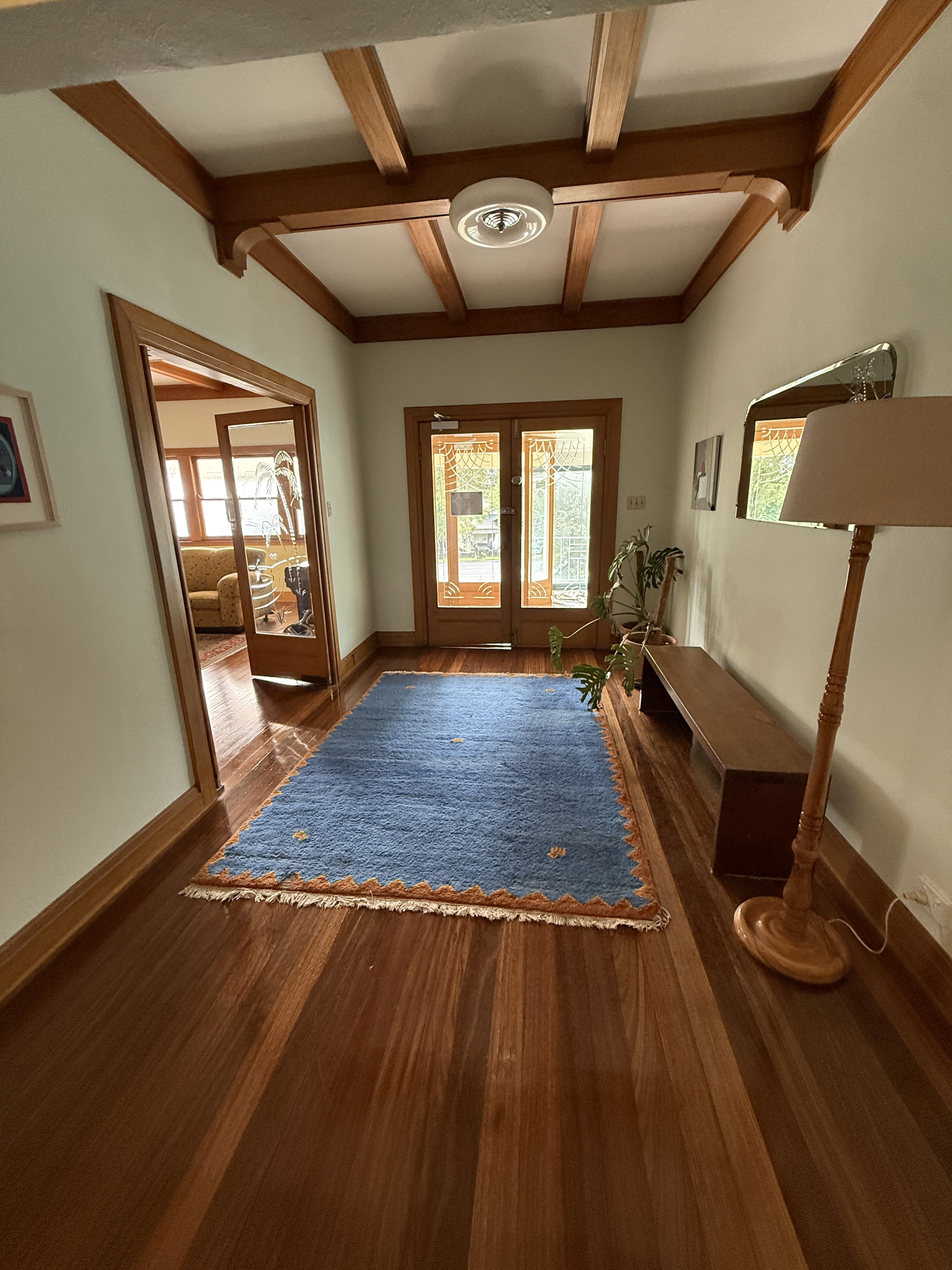
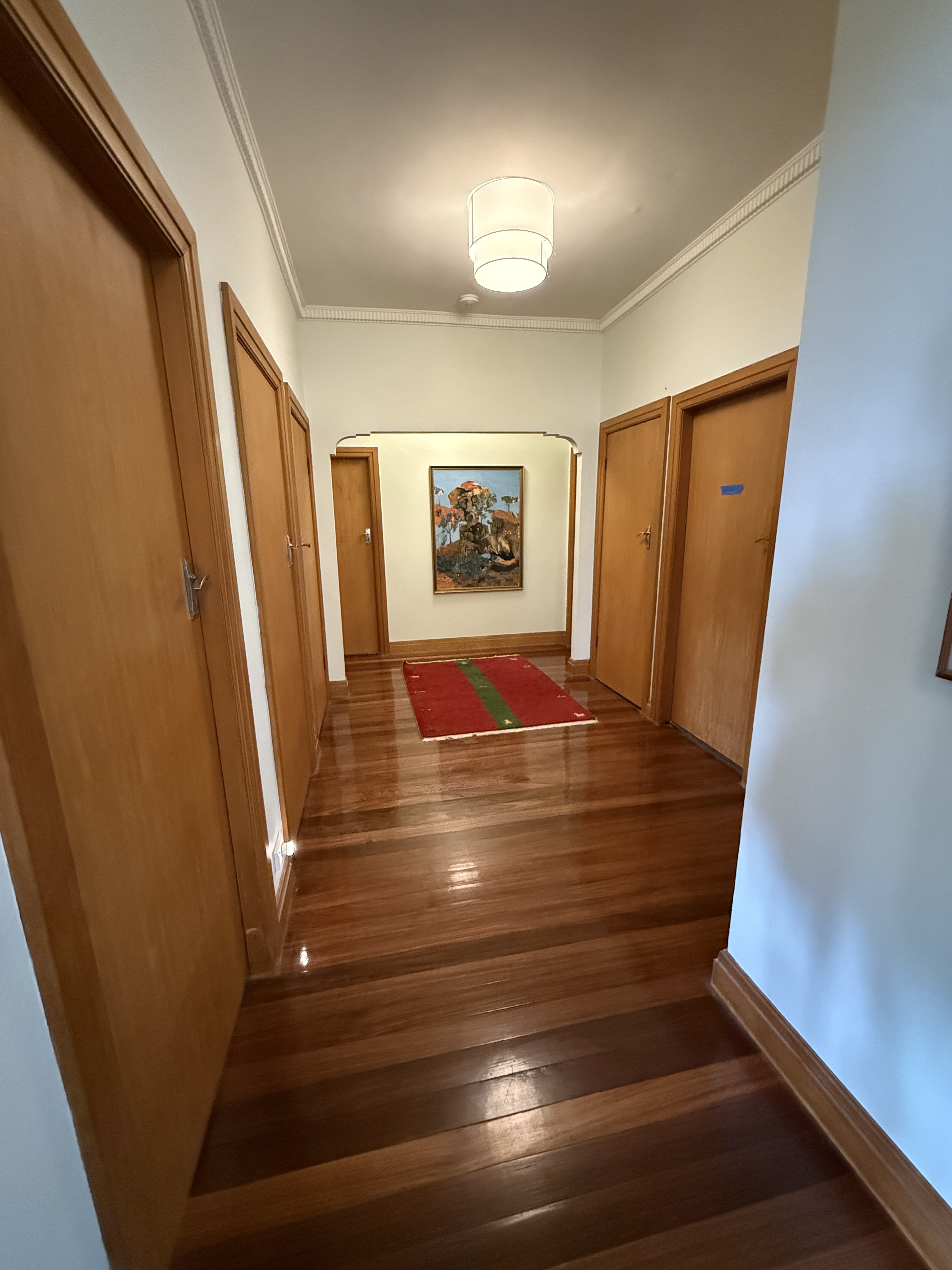
Caramel wood gleams throughout, a soft styling that draws the eye along corridors radiating from the centre. Designed with a sunroom on either side and well-kept gardens that roll towards a pool, this was a house of repose, a place that spoke of elegance and gentle wealth, of sundowners and reference books, multidisciplinary art and the smell of furniture polish and the latest recipes.
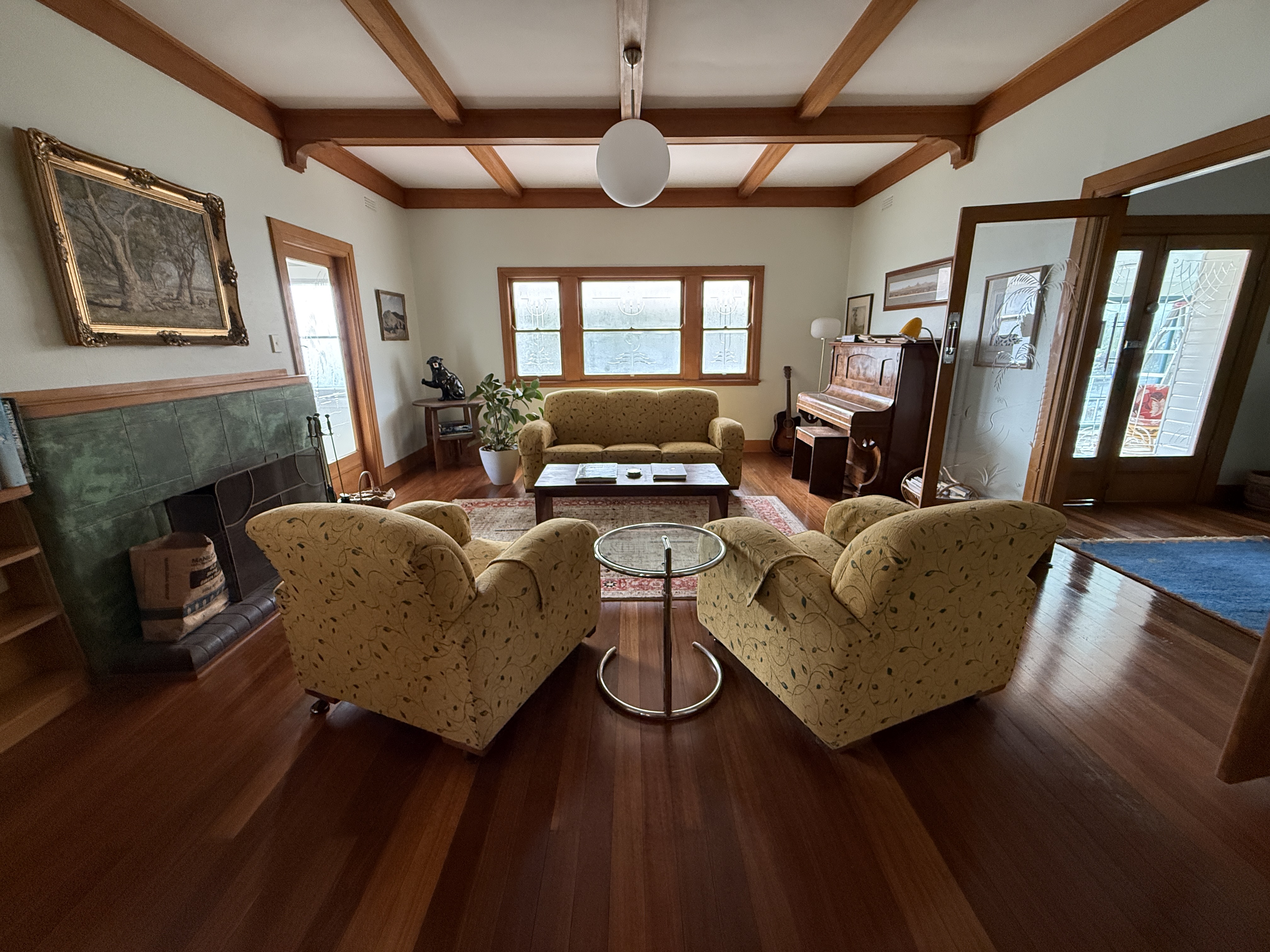
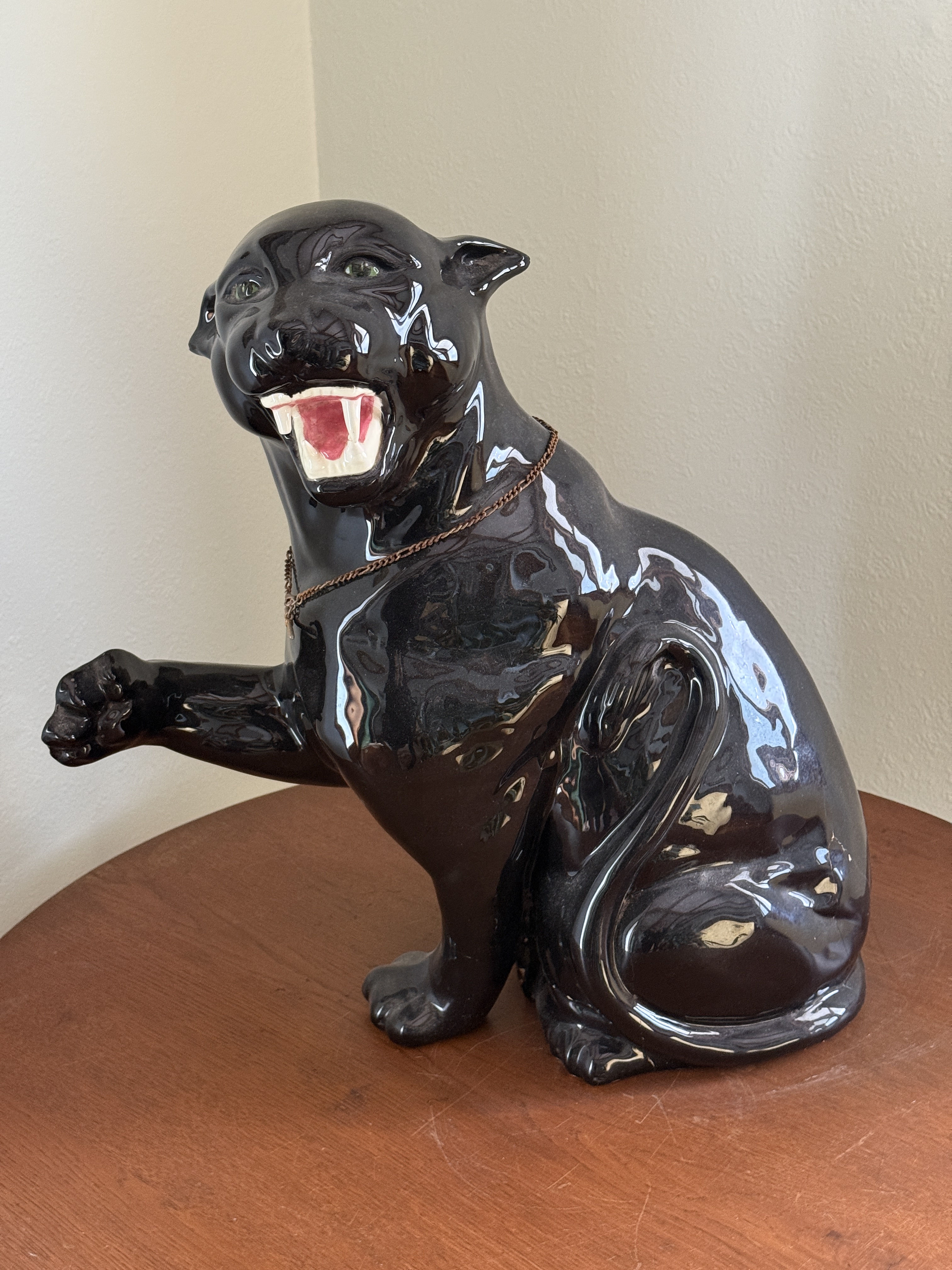
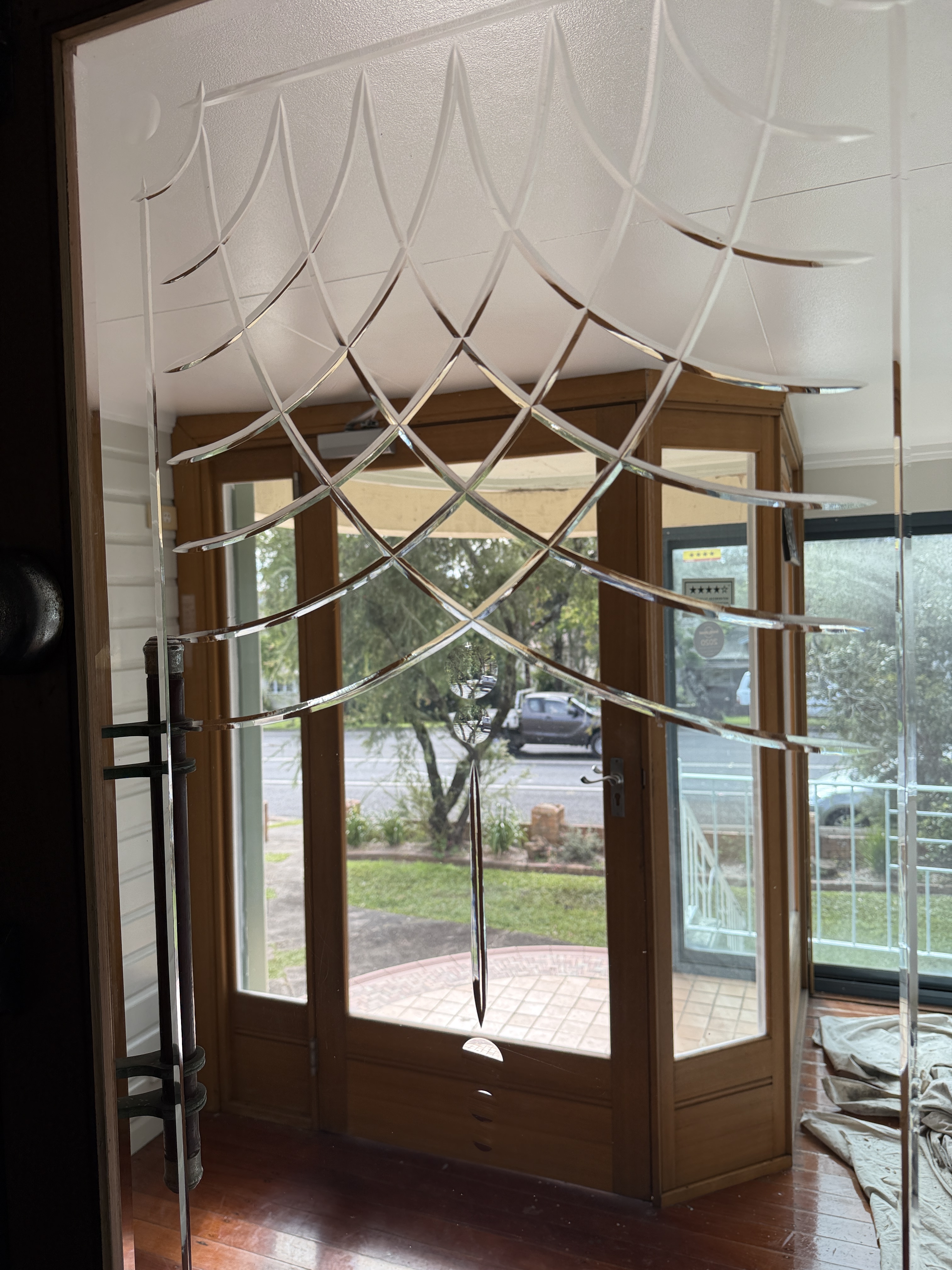
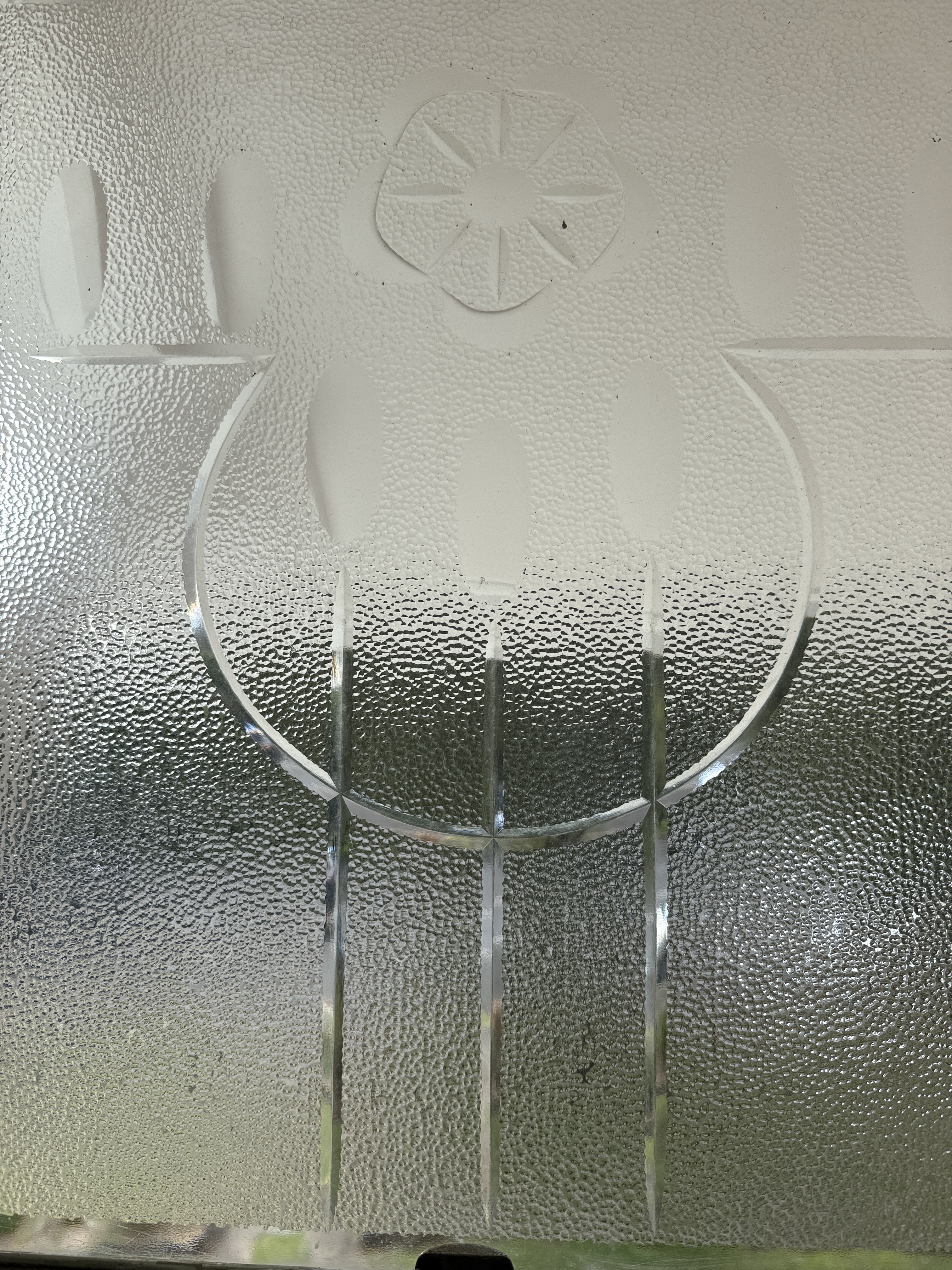
Midstream between Art Deco and mid-century, the house’s generous dimensions and etched embellishment are testament to a post-war striving for modernity and architectural experimentation. Two sunrooms! A ceramic panther!
Fat seams of glass ornamentation demand fingers follow the curves, light glinting from the arcs and bevels:
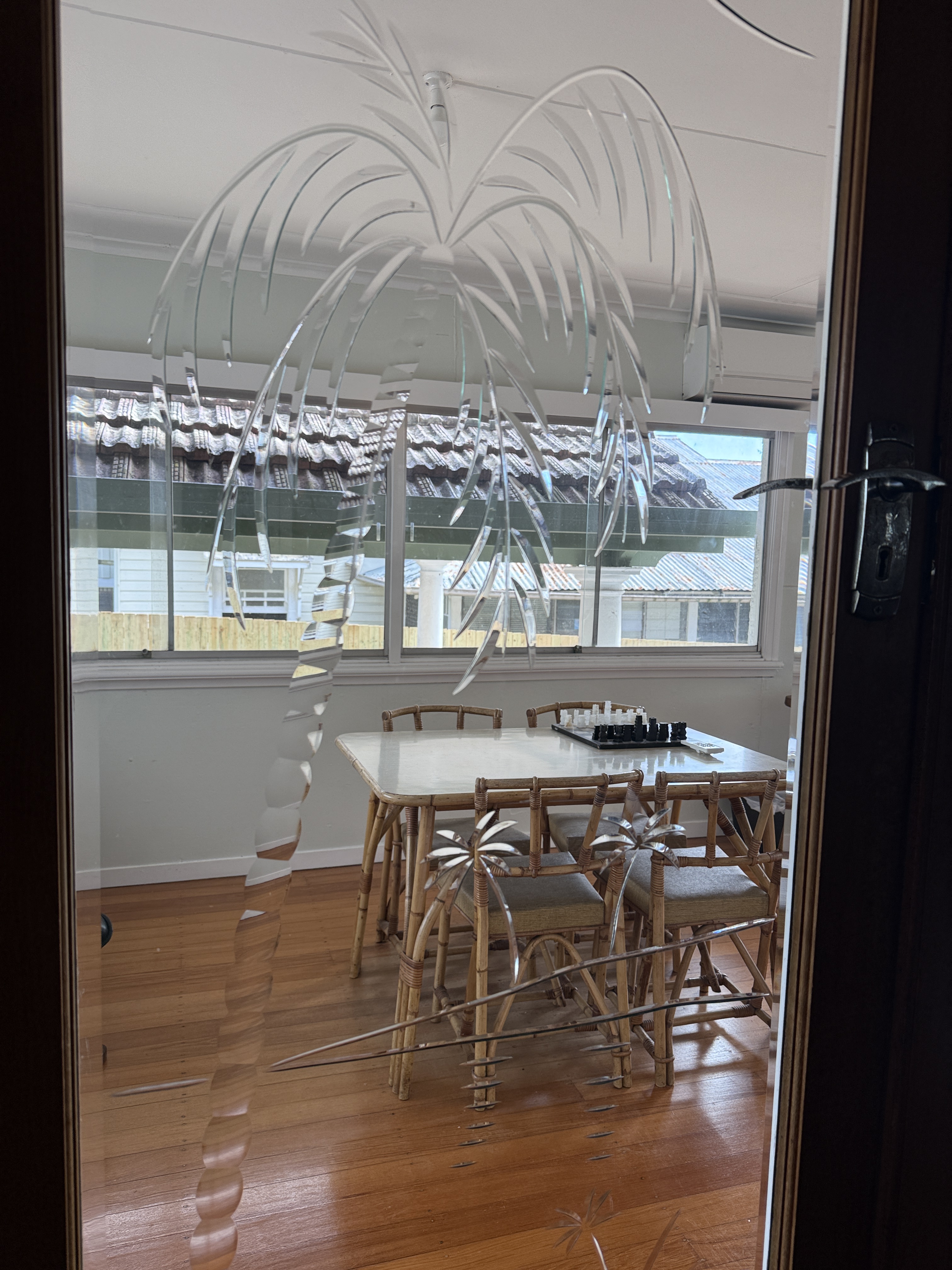
A jaunty palm lends a decadent hothouse feel:
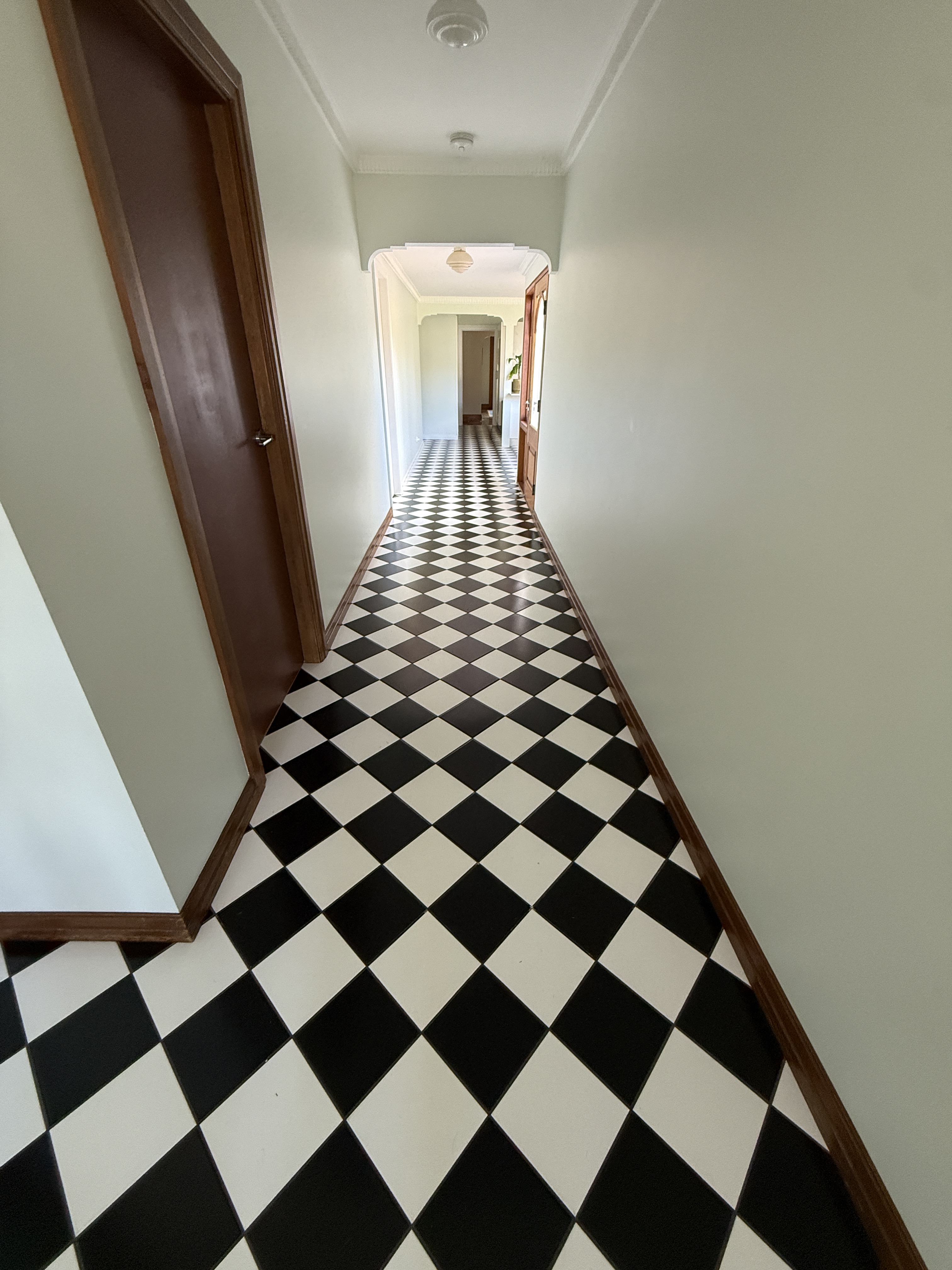
While an Alice in Wonderland corridor leads towards the back of the house, whimsy seeping out in a throaty chuckle…
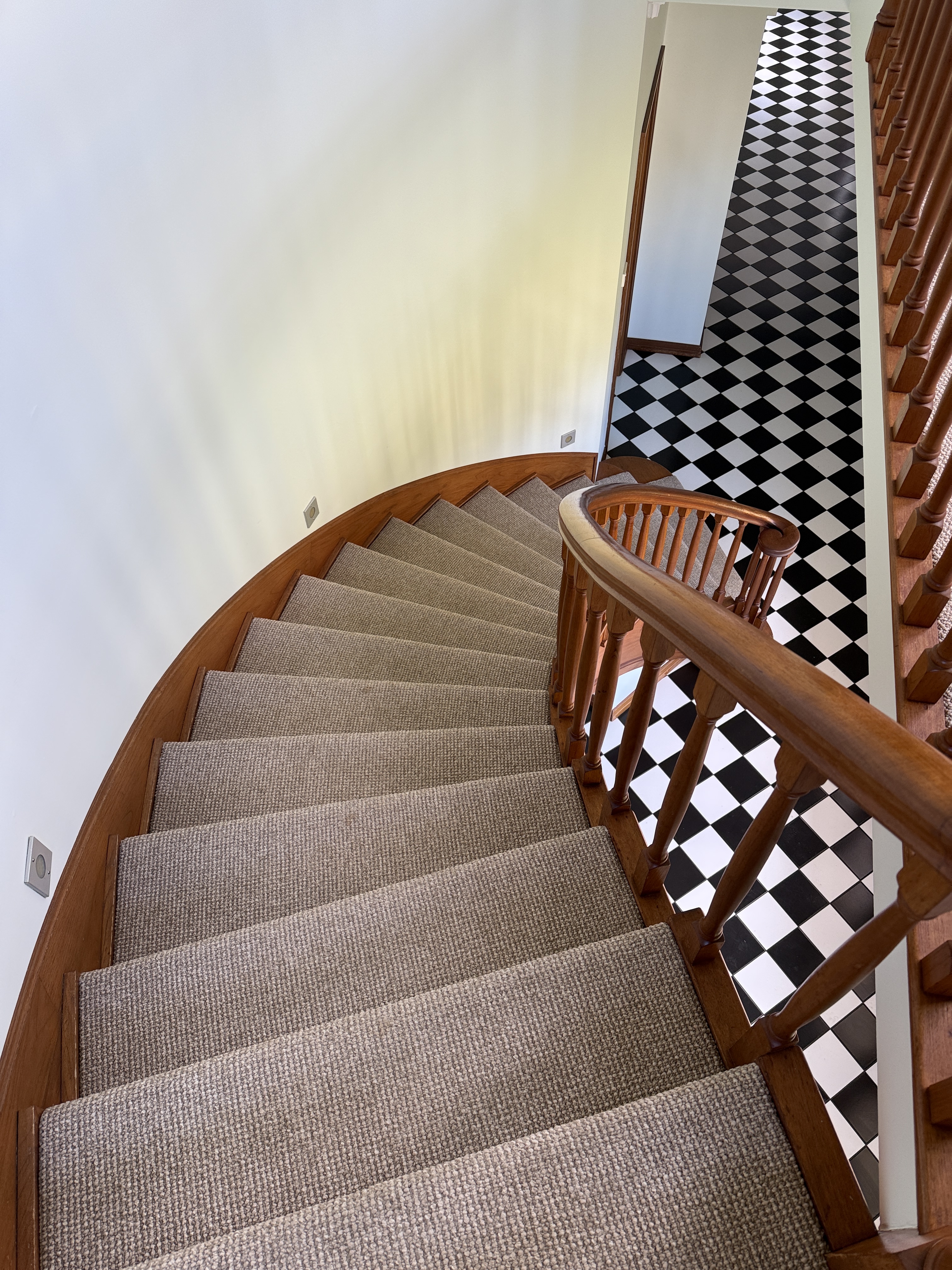
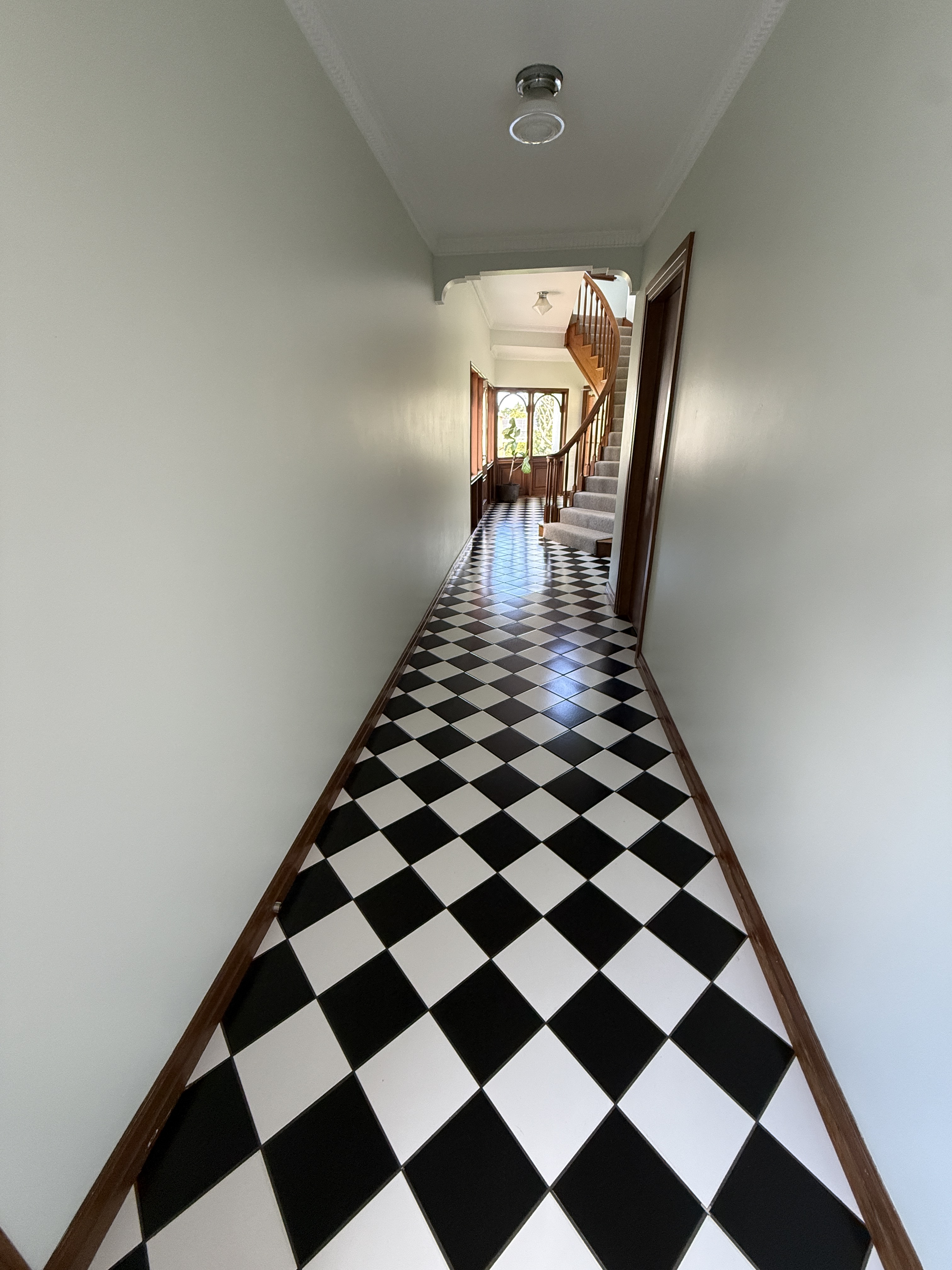
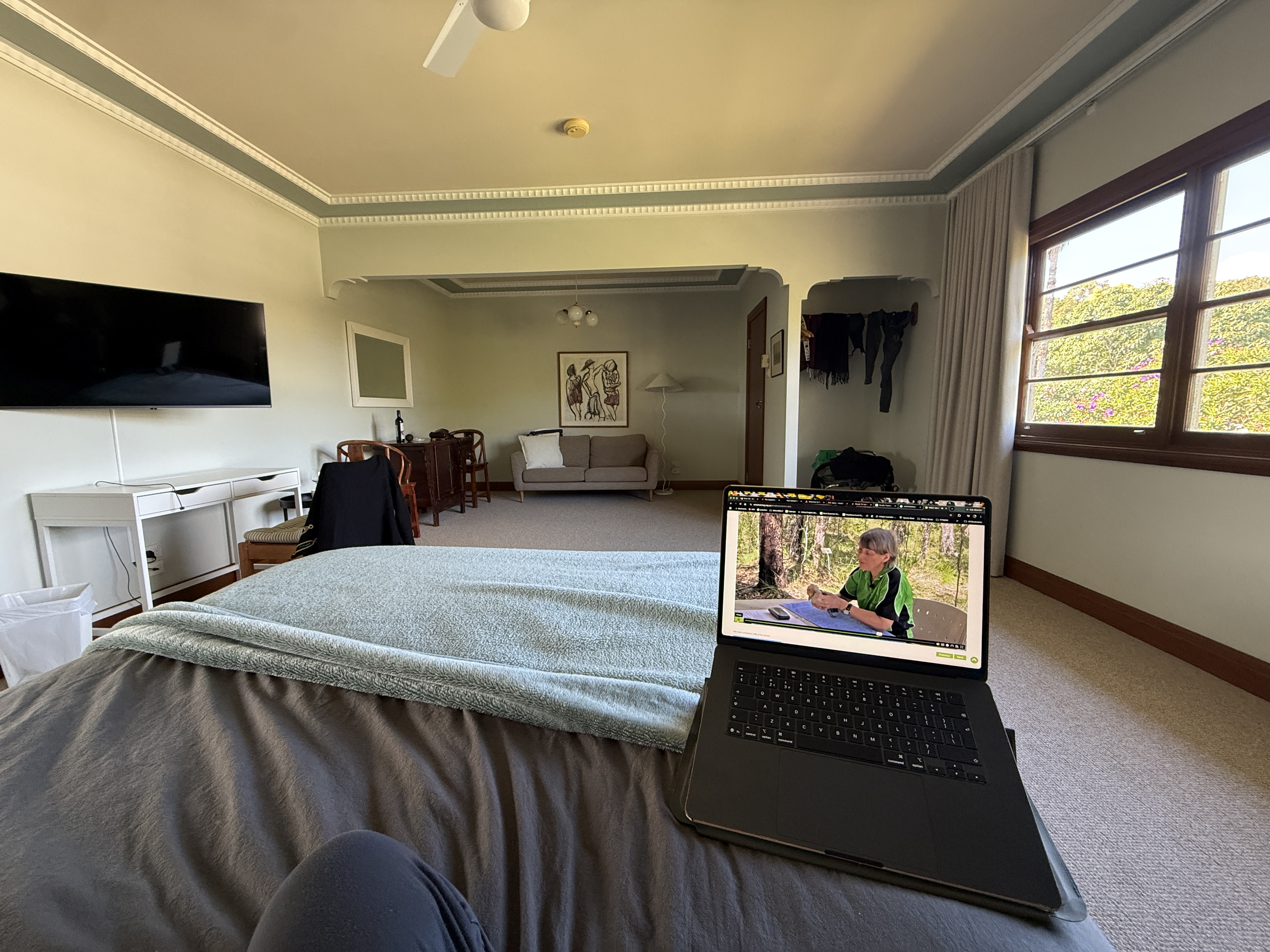
The house is framed beautifully in its environment. The rooms are ‘well-proportioned’, with natural light flooding through oiled-softened sash windows that frame the garden as if it is an artwork. In the distance, steep arcs of green streak skywards, climbing away from the house and the town below, the curve of a primordial basin catchment.
The most arresting thing about Melville House, however, is the hill on which she stands – just high enough to remain safe from the waters that flood this deep indent in the earth.
This is Lismore, and the story here has writhed so deep it is embedded as lore.
I didn’t experience the horror of the floods and the unrelenting pain they caused; I can’t write about them. I don’t know. So I shall borrow memories from those that were there.
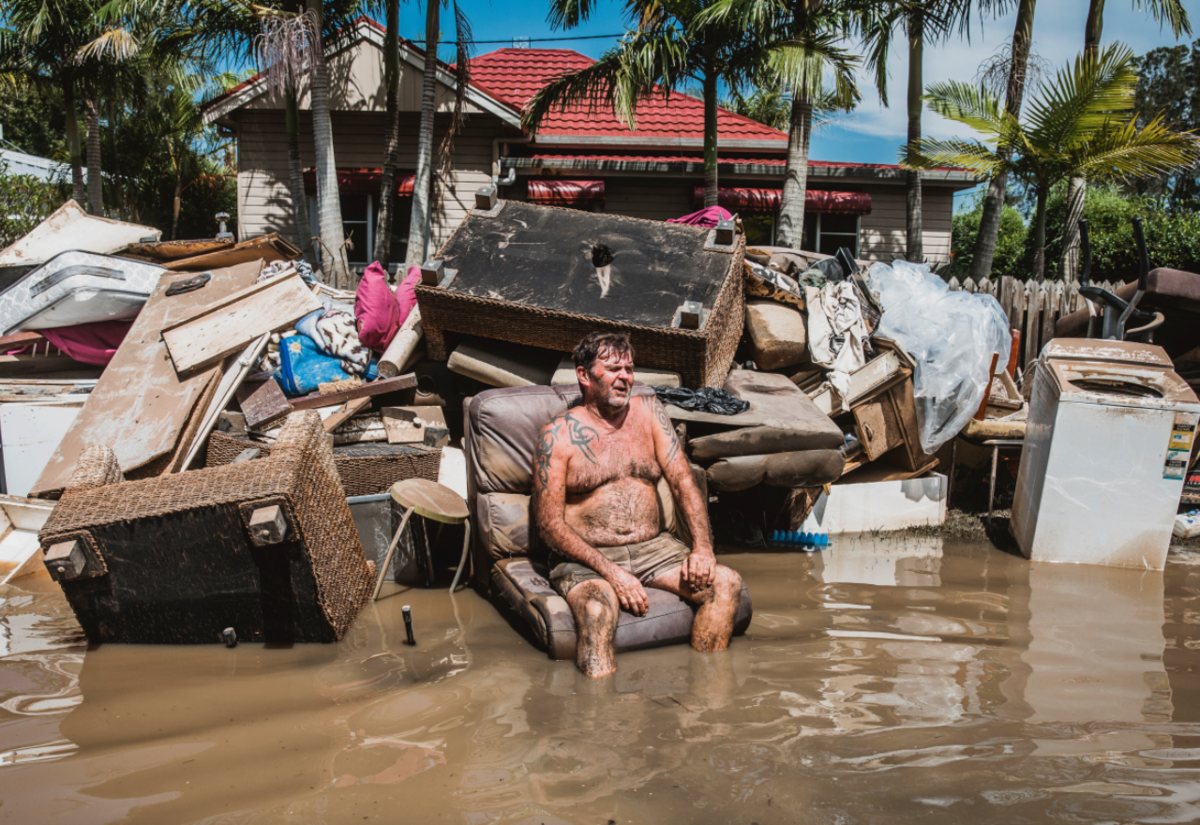
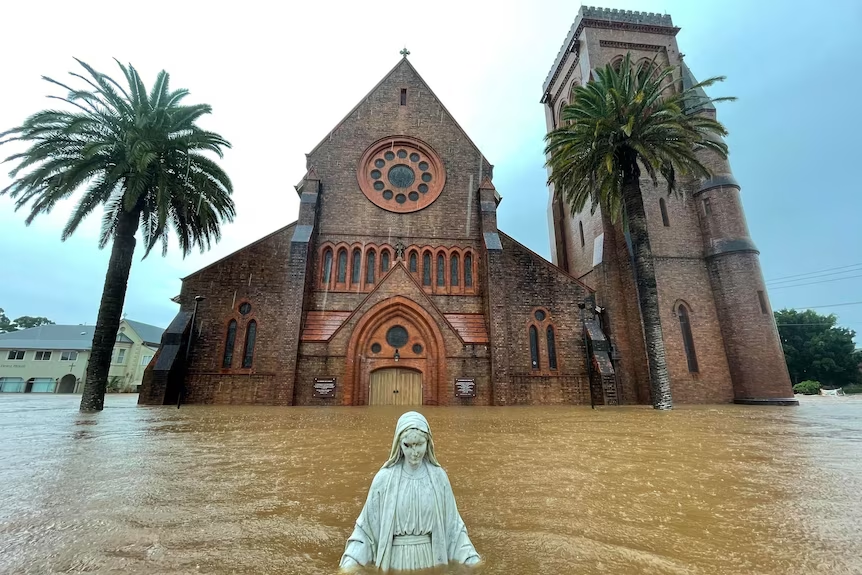
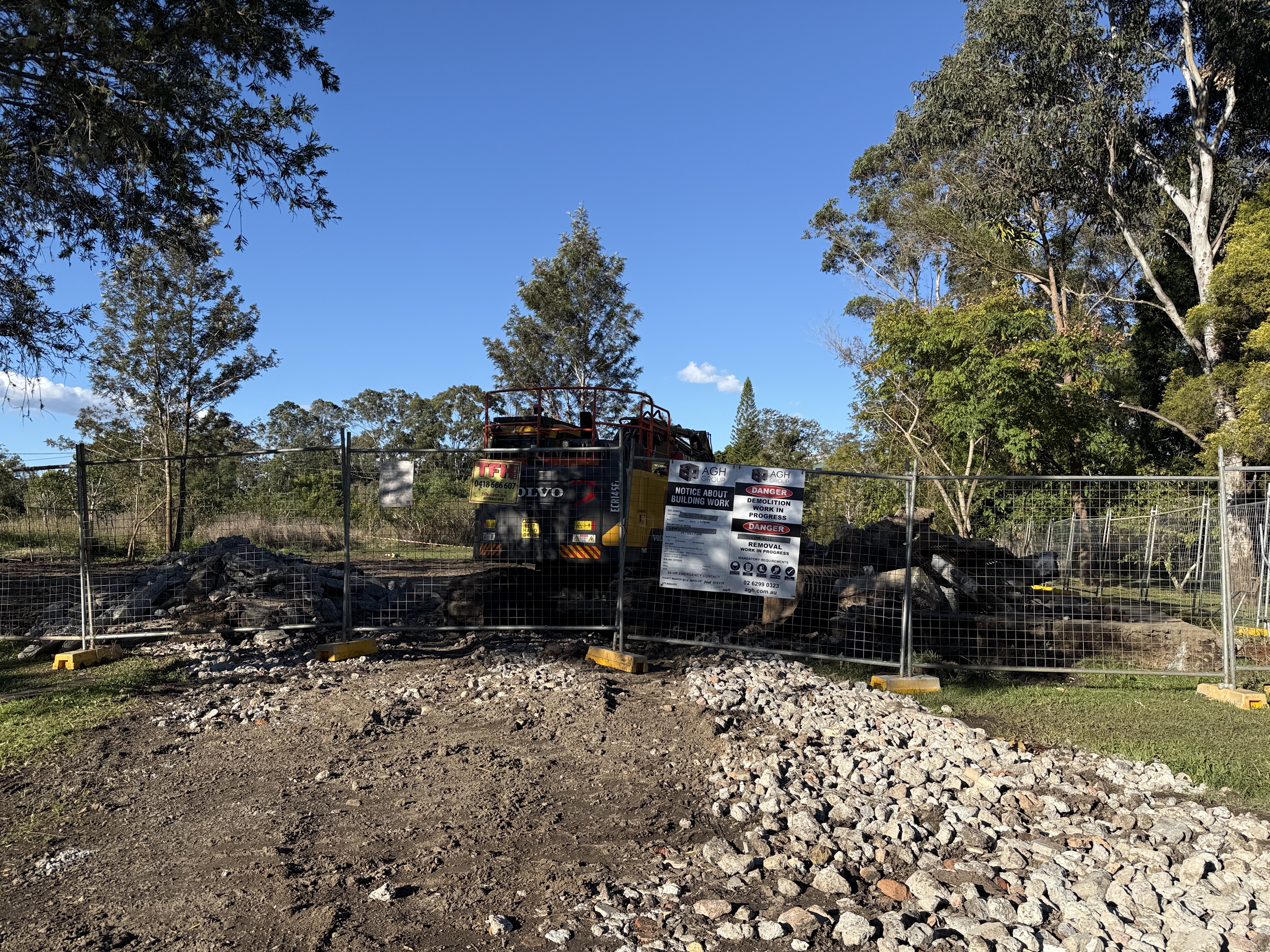
What I do know is that this quirky, beautiful place has suffered raw pain and deep disillusionment. Ravaged streets taper out into darkness, parts removed, lights extinguished, dirt roads now muddied arteries that lead nowhere. In four and a half years, community outpouring and government inaction have stemmed, like blood coagulating into a scab.
Now, the quiet howls, a mongrel sound that shudders through bone.
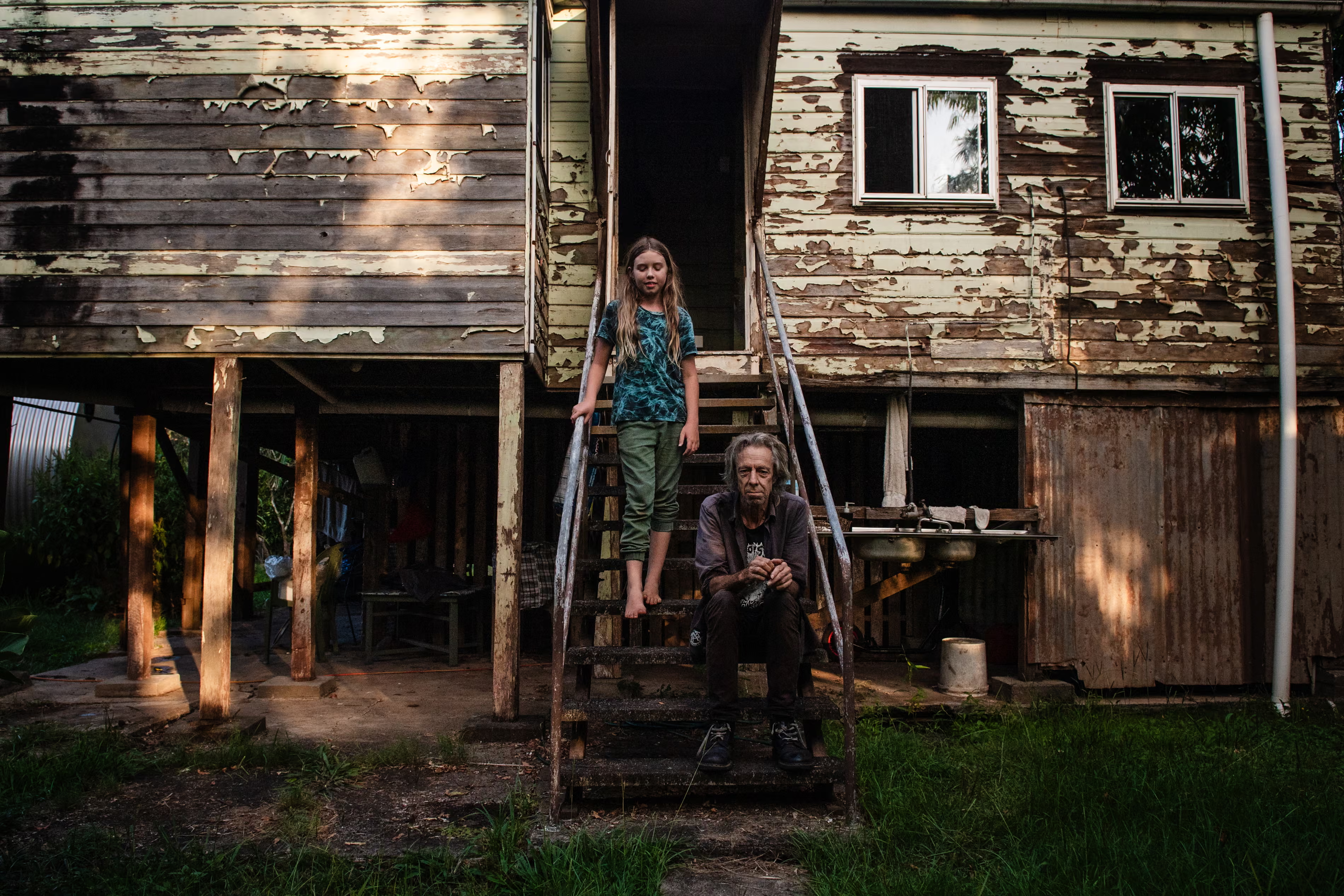
Scraps of the past are everywhere. A lonely letterbox lolls against lantana, which monsters much of the empty floodplain now that it can. A trail of Spokey-Dokes are partially submerged in sediment, their colours muted and dull; a cat curls on a front step devoid of a cosy backdrop.
Lismore is a mouth with too many missing teeth, and those that remain are braced, awaiting a renewal that has stalled.
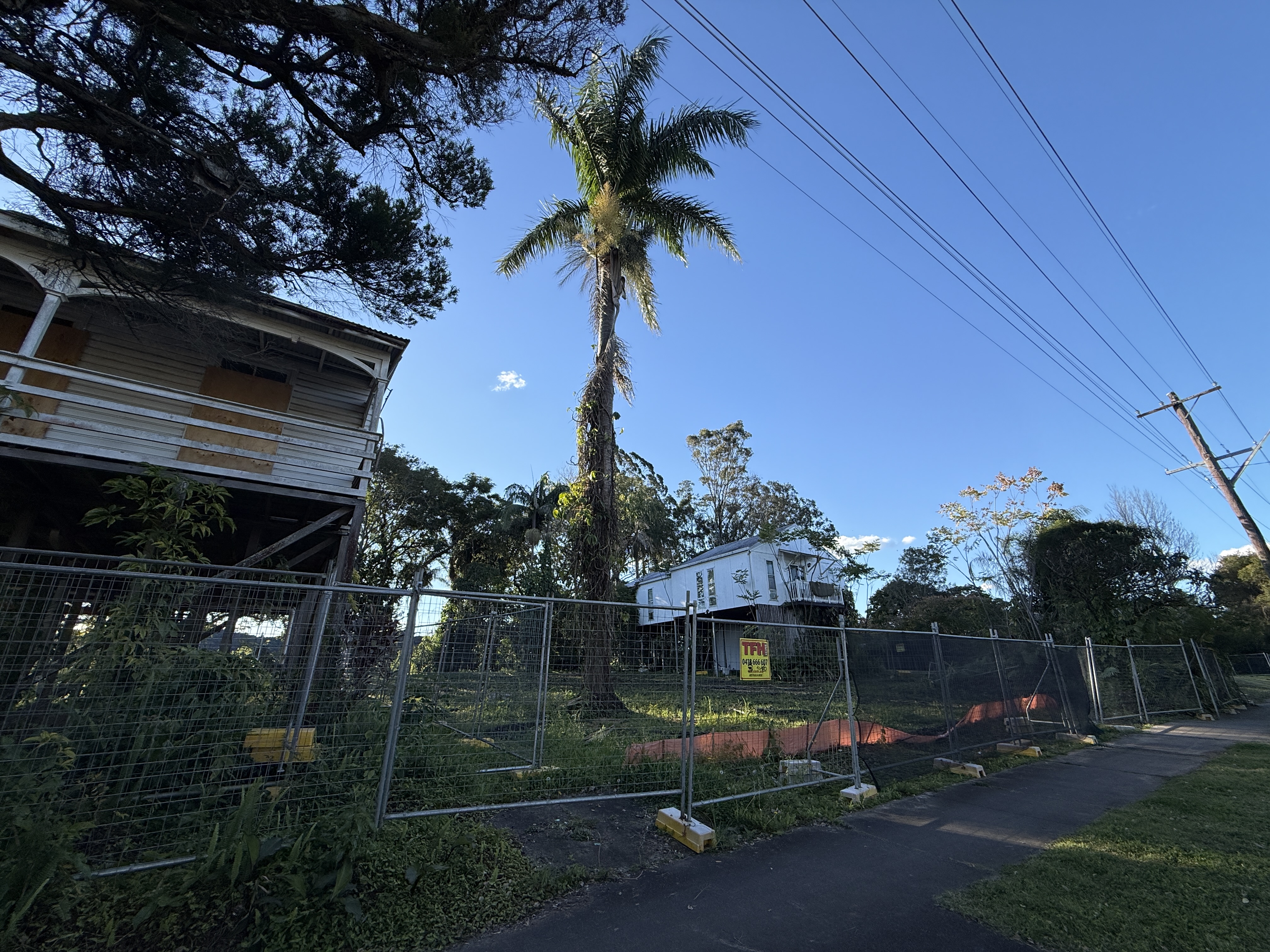
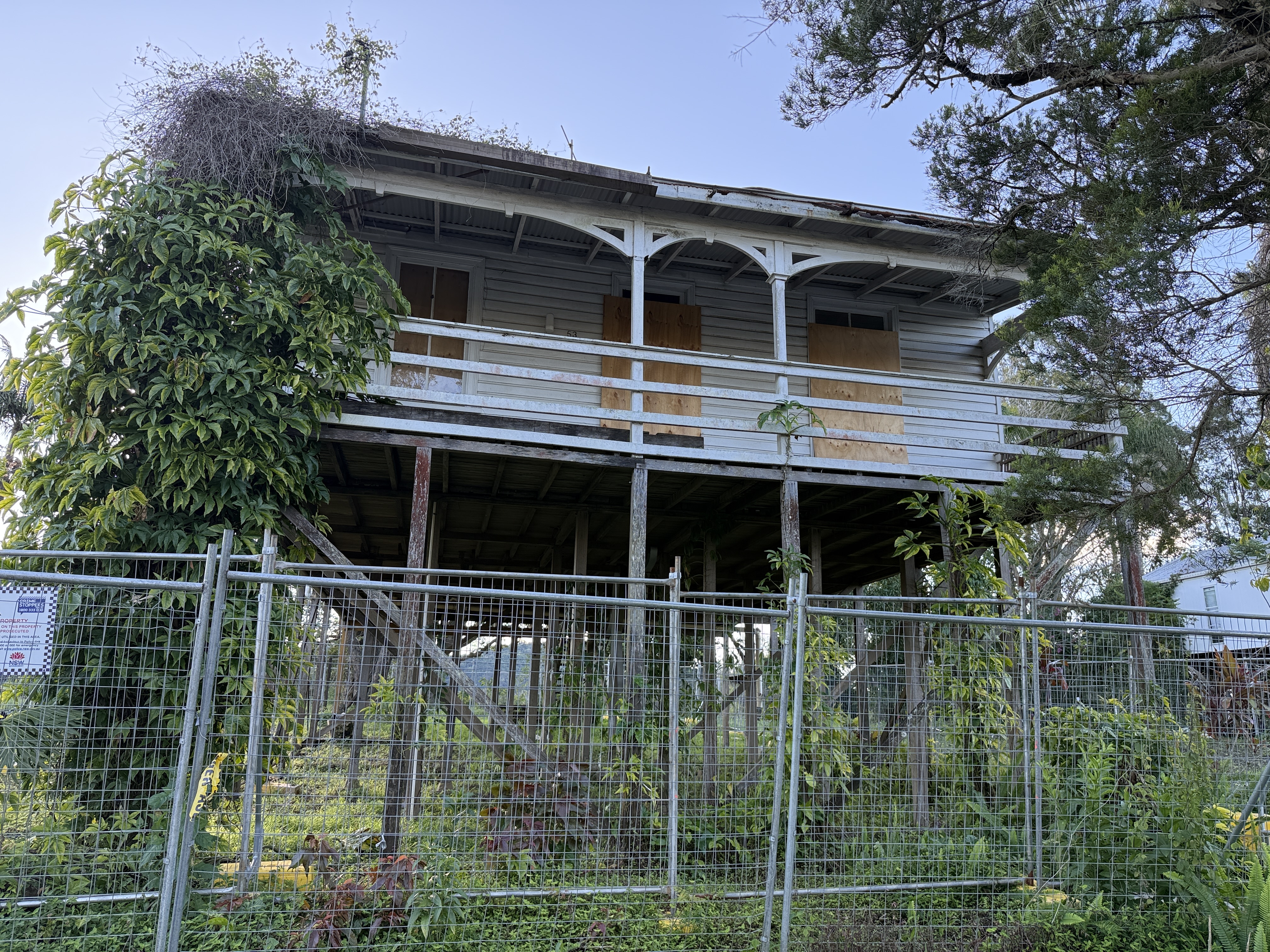
Some residents remain, staunch in their permanence, but they live in isolation, the social fabric of community frayed and torn. Deep clefts in the hollowed-out spaces are empty sockets where houses have been dragged, removed, or demolished, scars that pattern and twist tired flesh.
No matter how prepared you think you are, it is deeply shocking to see great swathes of a proud town left to rot in the mud.
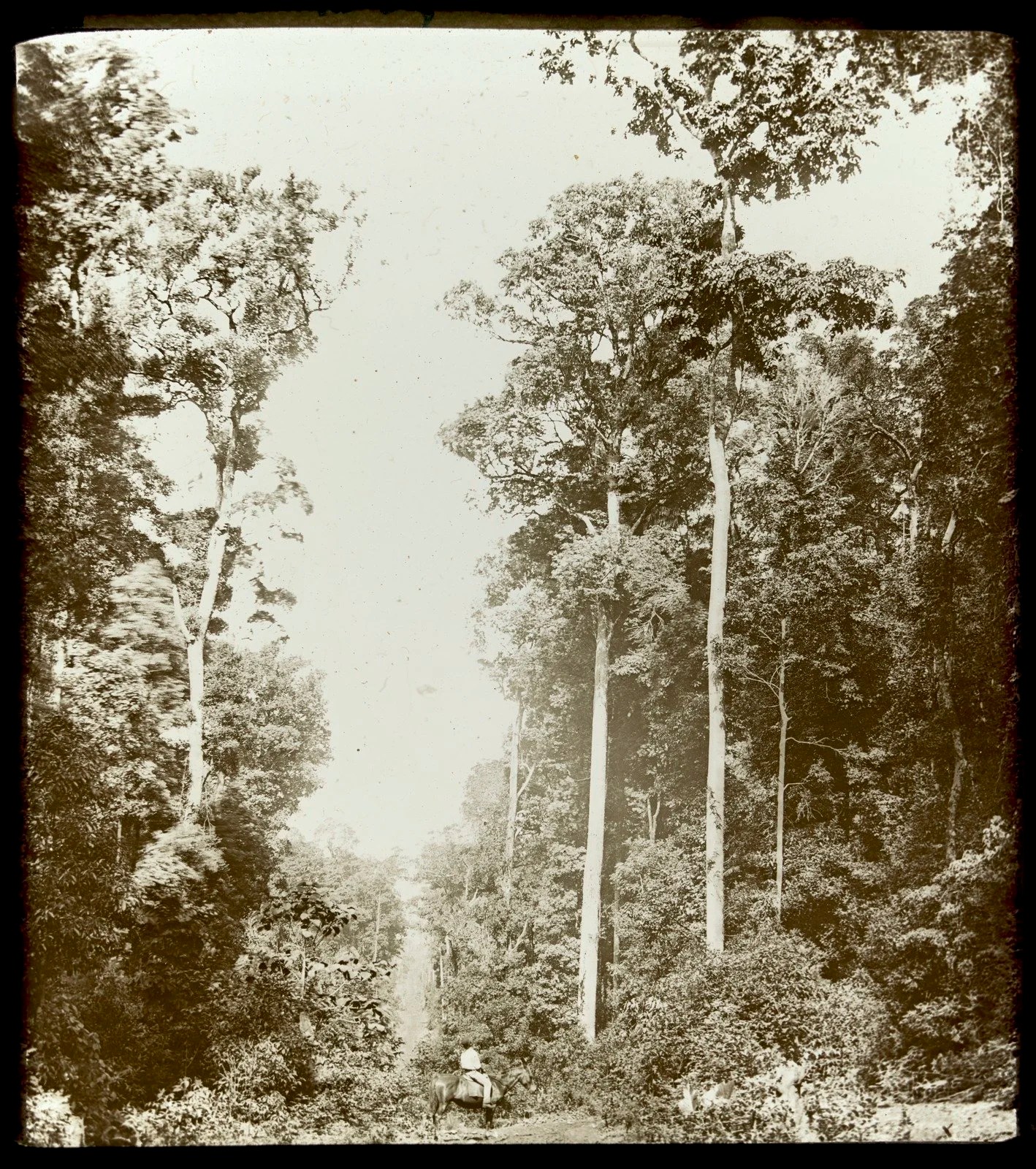
This is Widjabul Wia-bal Country, within the Bundjalung Nation, once home to the largest stand of subtropical rainforest in Australia, known as the ‘Big Scrub’, a less-than-salubrious moniker for something so… big. Although the Big Banana might also suffer this inadequacy.
Lismore lies nine metres above sea level on the narrow and winding North Arm of the Richmond River, at the confluence of Wilsons River and Leycester Creek. While the anglicised name comes from the Gaelic Lios Mòr, which means ‘Great Garden’, First Nations names for this region hint at its location being the junction of two creeks, a confluence, and a ‘place of big water’.
Linguistics aside, Lismore has a river history. Before colonisation, rainforest swathed 75,000 hectares of the hinterland, fed by the water systems that dominate the area. It would have been a paradise of biodiversity, one Bob Brown describes as likely to have been: “one of wild Earth’s most ancient and splendid gardens”.
The colonial economy was built on felled cedar and the river trade that carried it east, in tandem with a farming legacy that took root in fertile river flats and volcanic soil, earth so rich it thrums with a resonant heartbeat.
But this history includes generations of destructive flooding. 1954, 1974, 2017, and 2022, when water surged to 14.37 metres at the Wilsons River Rowing Club. If a tall man is 2m, this 14-metre wall of water is seven tall men high. My mind stops computing beyond three-tall-men-high…
The most recent is considered the ‘highest flood on record’; however, records only started being collated as numerical data in the mid 1800s. It’s statistically likely that giant floods have coursed through this valleyed landscape for centuries.
Once, it was customary to move to dry Country when the rains came and the waters surged.
The damage caused by mass flooding is a collective trauma for which there is little therapy. The fallout since February 2022is still palpable today, the town snagged in a net of institutionalised inertia, the haunting failure of the disaster response, and ghost streets that yawn into the never-never.

In torment, we seek stability, predictability and calm, a sense of ‘foreverness’ as unlikely as that is, an island in the raging storm. For Lismore, that can only be found 15 metres above sea level. Until the next flood…
Maybe I’ll see you at Melville House, halfway up the hill.
The Blueprint to Reducing Lismore Floods by up to Two Metres | CSIRO
Building Dams to Protect Lismore Would Cost Billions. Could Nature do it Better? | The Conversation
Rethinking Lismore in the New Era of Floods | The Monthly
Lismore Residents Face Cruel Buyback Rejection While Council Considers Banning New Houses | ABC


