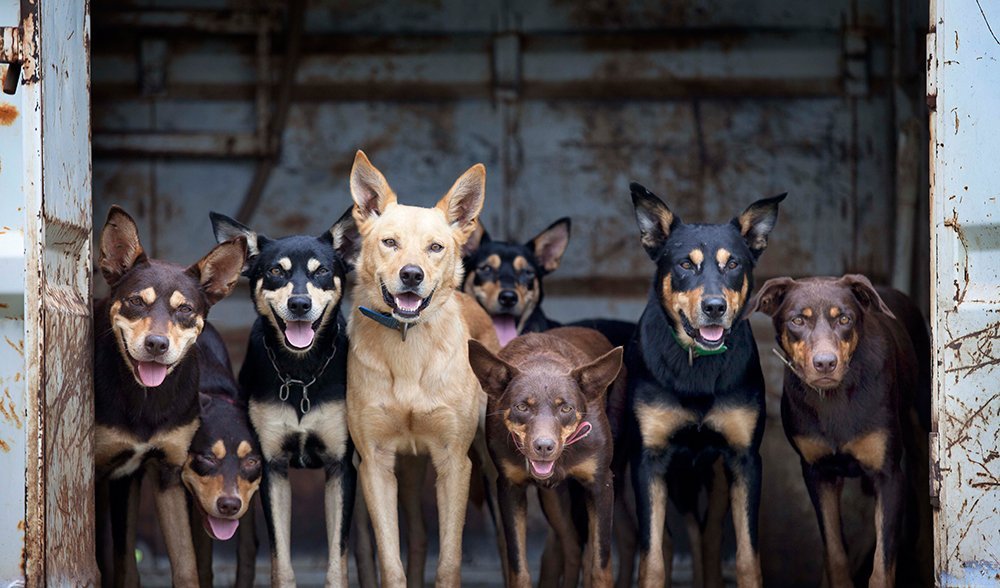
Mother of Kelpies

Depending on where you are from, Kelpies are fiercely intelligent working dogs who live to herd stock, or mythical Gaelic river spirits that take the form of damp horses that lure the unfortunate to a watery death. Either way, they are mesmerising and programmed to lead you astray.

According to the Macquarie Dictionary: /əˈstreɪ/ (uh’stray) 

adverb 1.  out of the right way or away from the right; straying; wandering.

phrase 2.  go astray
a.  to fall into error
b.  to have a moral lapse.
c.  to be lost or mislaid

All of which are apt when you drunkenly decide it’s imperative to attend the annual Kelpie Muster, and only realise it is 12 hours and 39 minutes and 1,160.1 km from Sydney along goat tracks that meander through Victoria to the South Australia border, suspiciously close to Mt Gambier… once you hit the road.
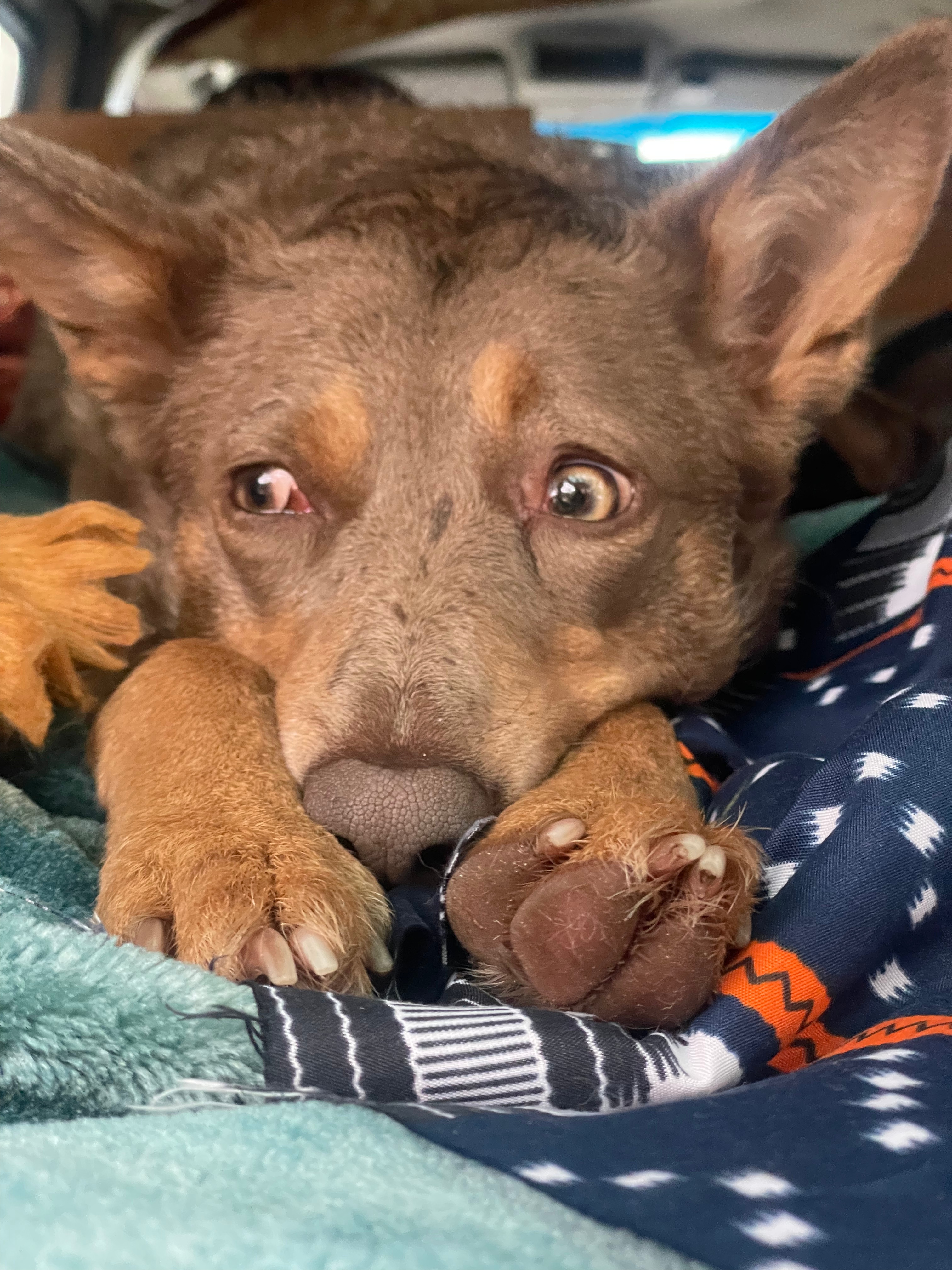
Fortunately, I am not alone. The houndsman has deigned to ride pillion, if only to keep the hounds in line. While he is devoid of deerstalking hat, walking cane and/ or hunting livery, he is cheery, at least until I advise him of the open wastes that lie ahead.

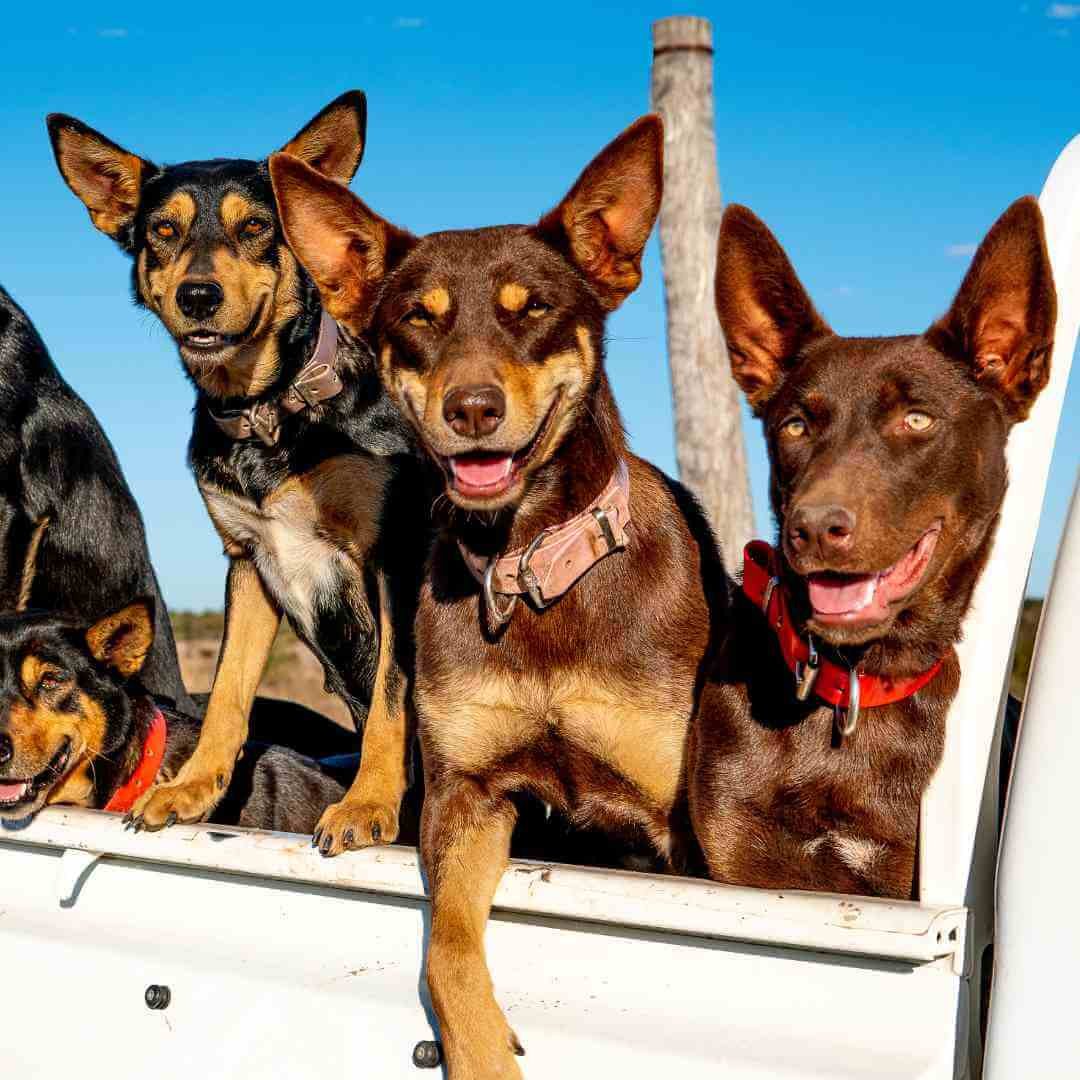
The Australian Kelpie Muster is the highlight of Glenelg Shire’s June long weekend, drawing a circling murmuration of thousands of these beautiful creatures and their country-worn owners to Casterton, settled in 1834, but home to the Konongwootong Gundidj clan of the Gunditjmara People for thousands of years before this.
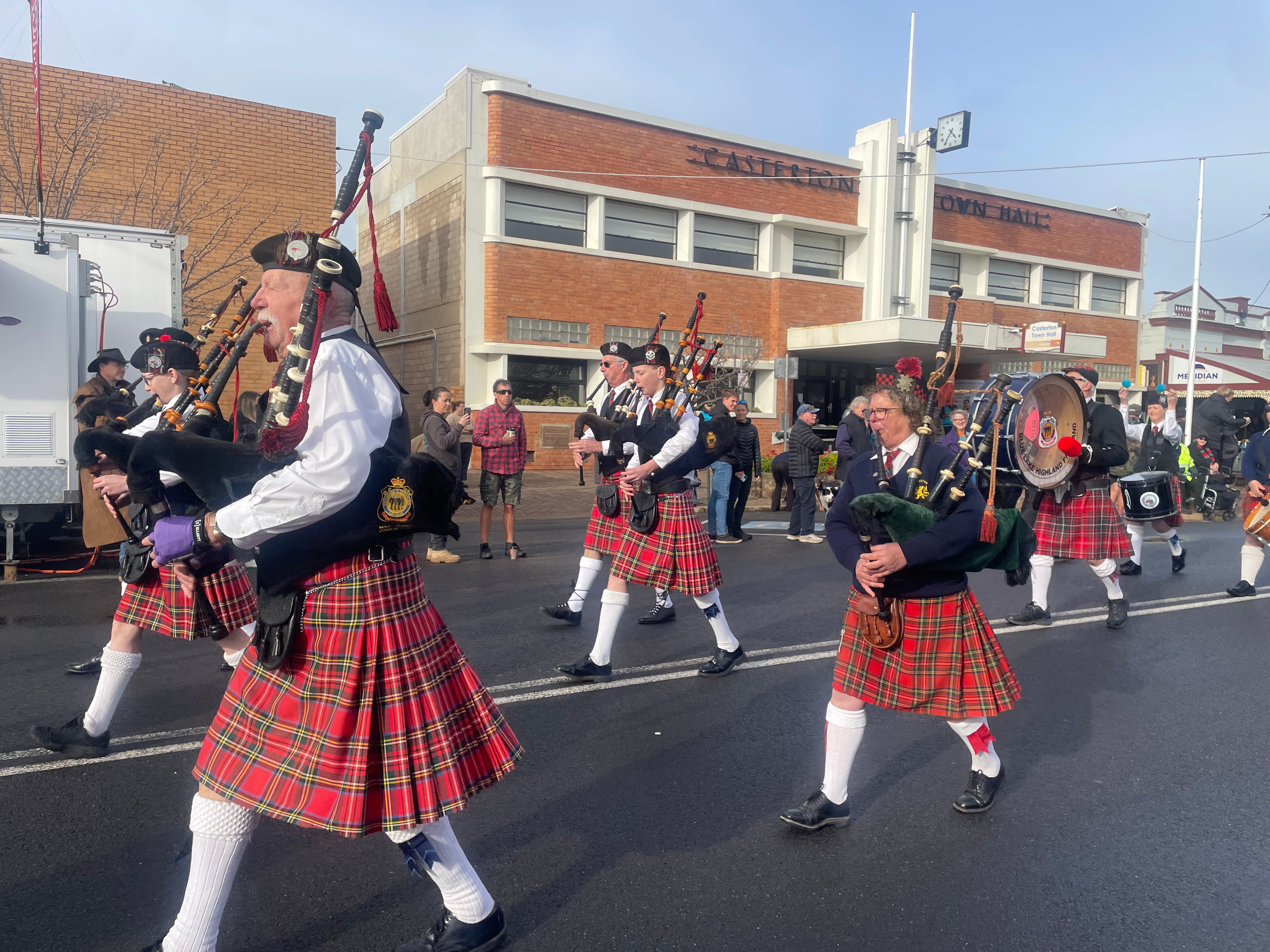
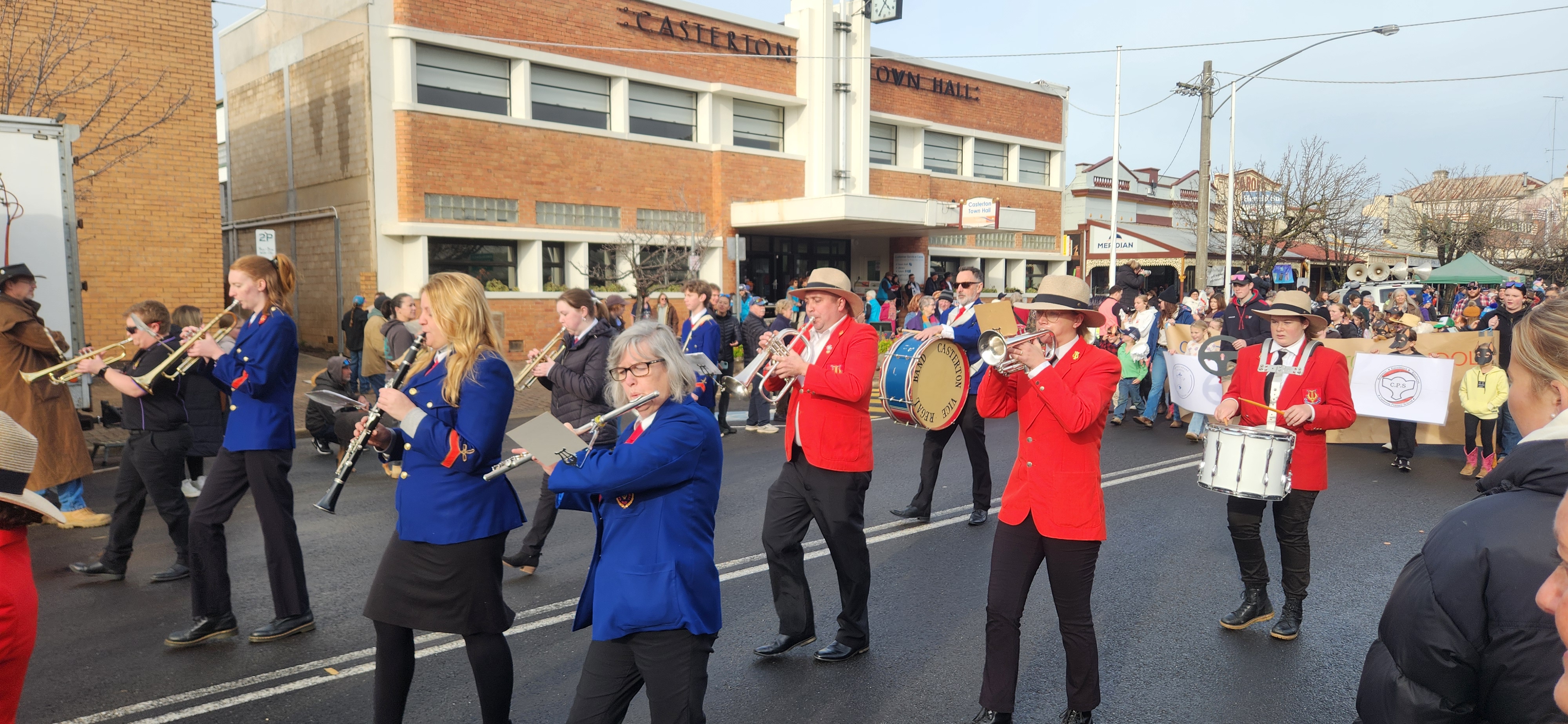
It is billed as a sun-drenched autumn festival, crowds lining the streets, bagpiped marches, RSL-led parades, and dogs everywhere you look. Except the closer we get, the more extreme the weather, an Antartic tantrum of ice-fringed squalls that rock the van and unnerve the Kelpies.

On slick roads, we eventually slide into Casterton, days after we left. Expecting fanfare and excited barking, it is silent and dark, encouraging nervous date-checking and a scramble into the only open pub to suss out the scene.

Which, unsurprisingly, is like every other remote country town pub, watchful eyes, oilskins steaming around the fire, “yeah, nah, fuck off mate!” a staccato beat when conversation starts up, and the smell of beer and chip fat.

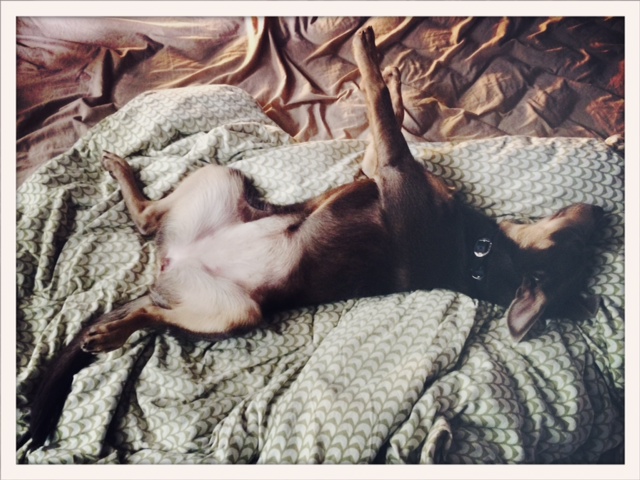
Parked up out the back of the pub, rain sideways, and half cut, I fall asleep in a tangle of canine limbs, hoping I haven’t made a horrible mistake.

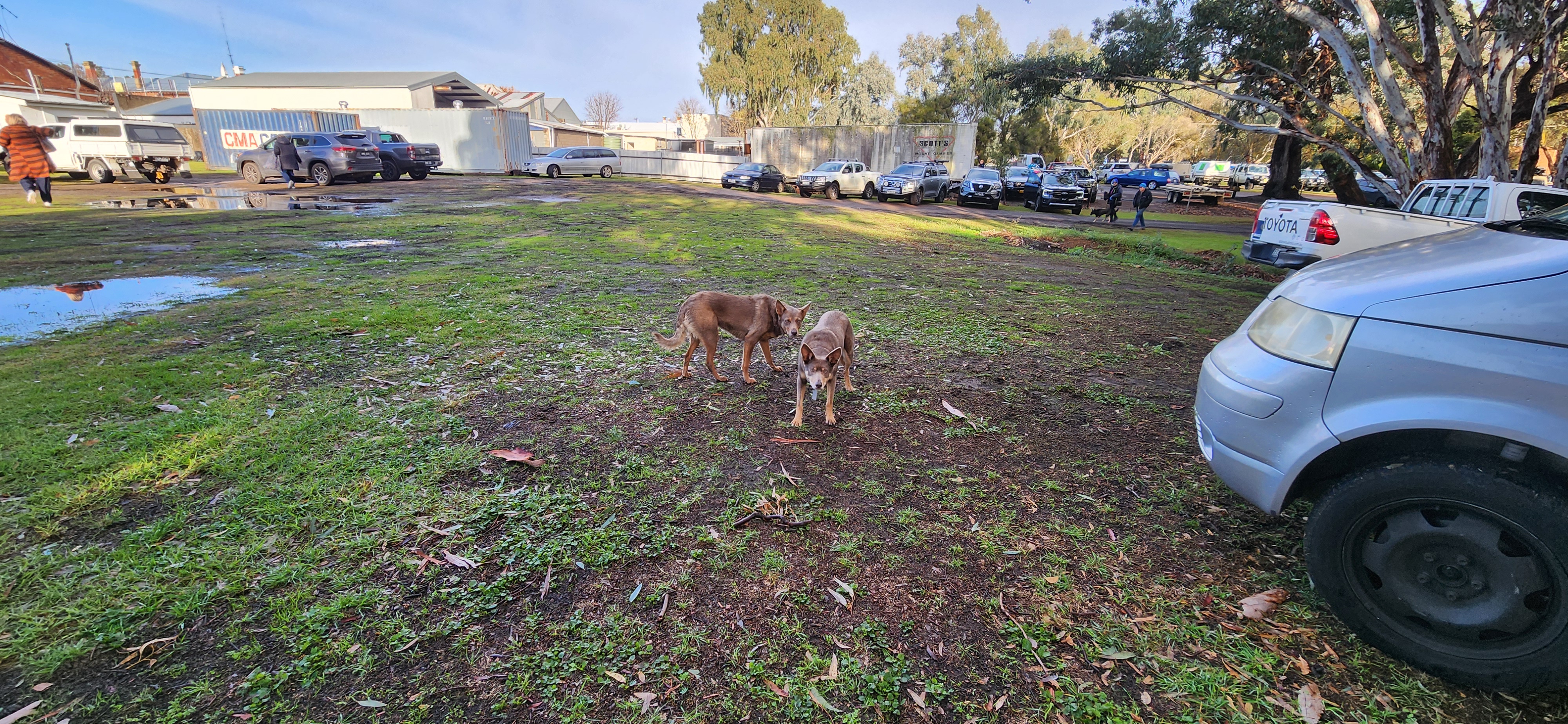
Dawn is punctuated by council carnies yelling obscenities and trailing plastic bunting, and the yipping of a thousand-plus dogs, an orchestra conducted by the musicians themselves. Outside, we have 100 new neighbours, and Kelpies more excited than a dog with two tails to meet their people…
Akubras jut at every angle atop grizzled features scored into deep contours of life lived hard and well. Small kids barrel in the direction of the fairy floss, the Carlton is tapped, and the main street is gussied up in her best frock, a hint of high vis at her extremities.
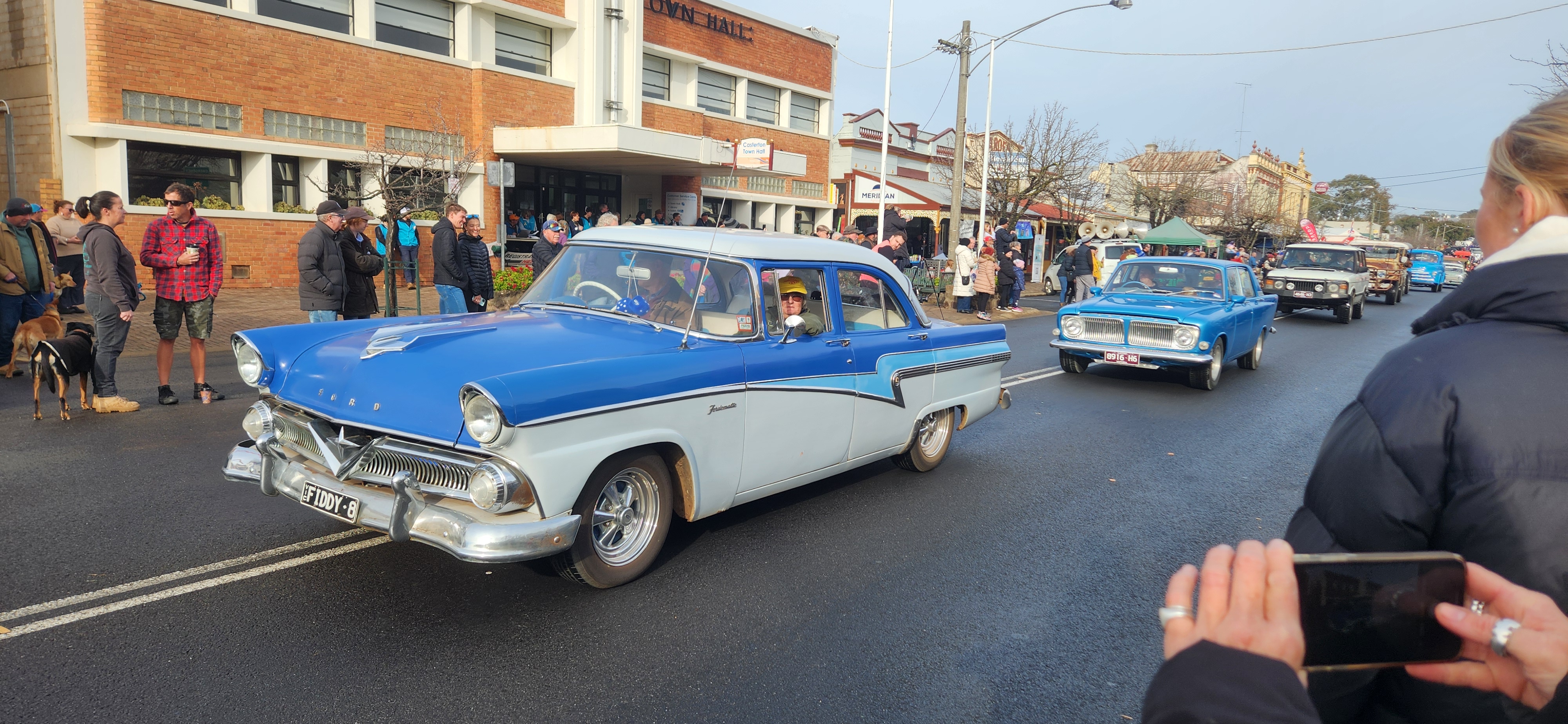
The Kelpies are abundant, every colour, coat and creed (cattle/ sheep/ chicken/ goat/ stick/ ball) prancing in front of proud owners, bowing deeply to other dogs, a prayer stance known only to them.
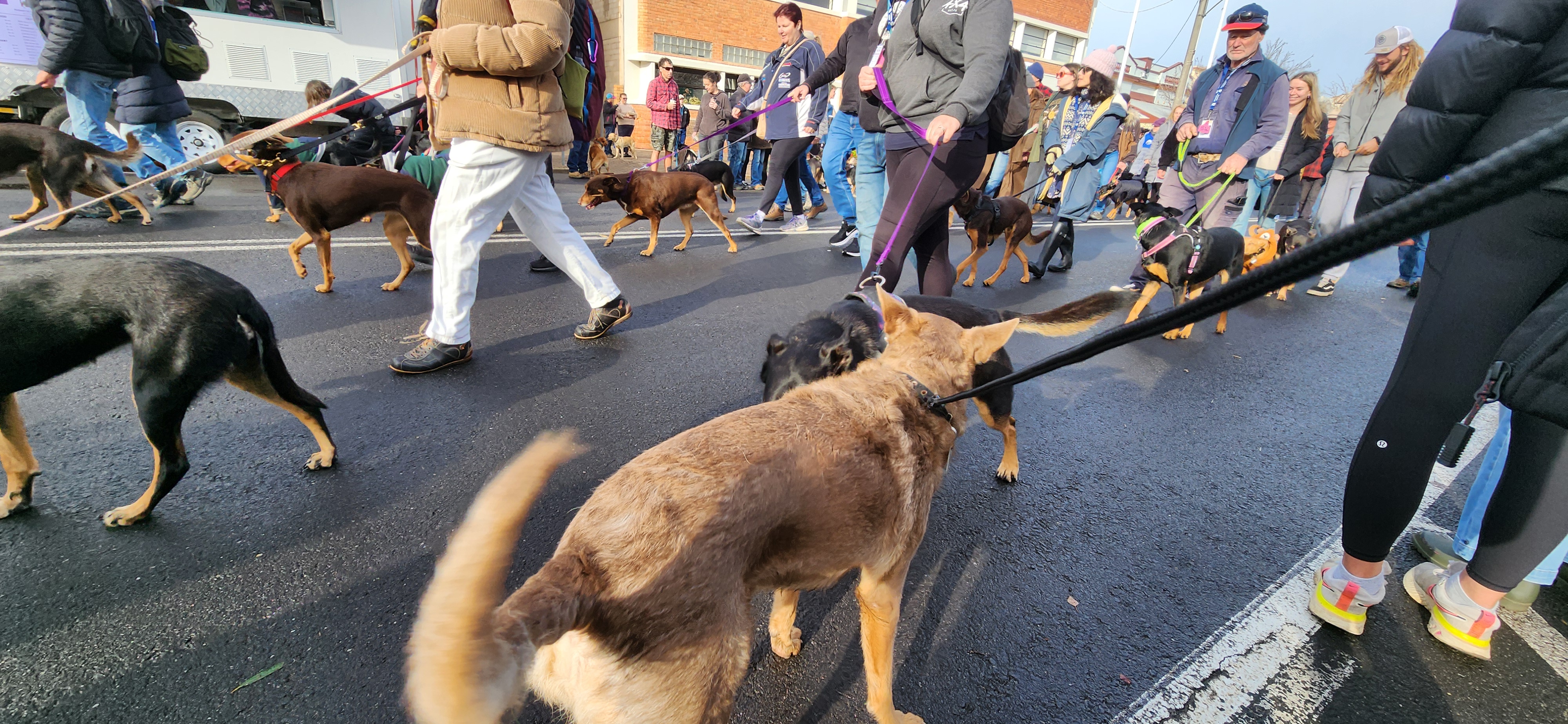
The parade is six-deep, to see the tribe of dogs 700 strong proudly snaking through the town, followed by old timers, stockmen, the fireys and kids from the school.
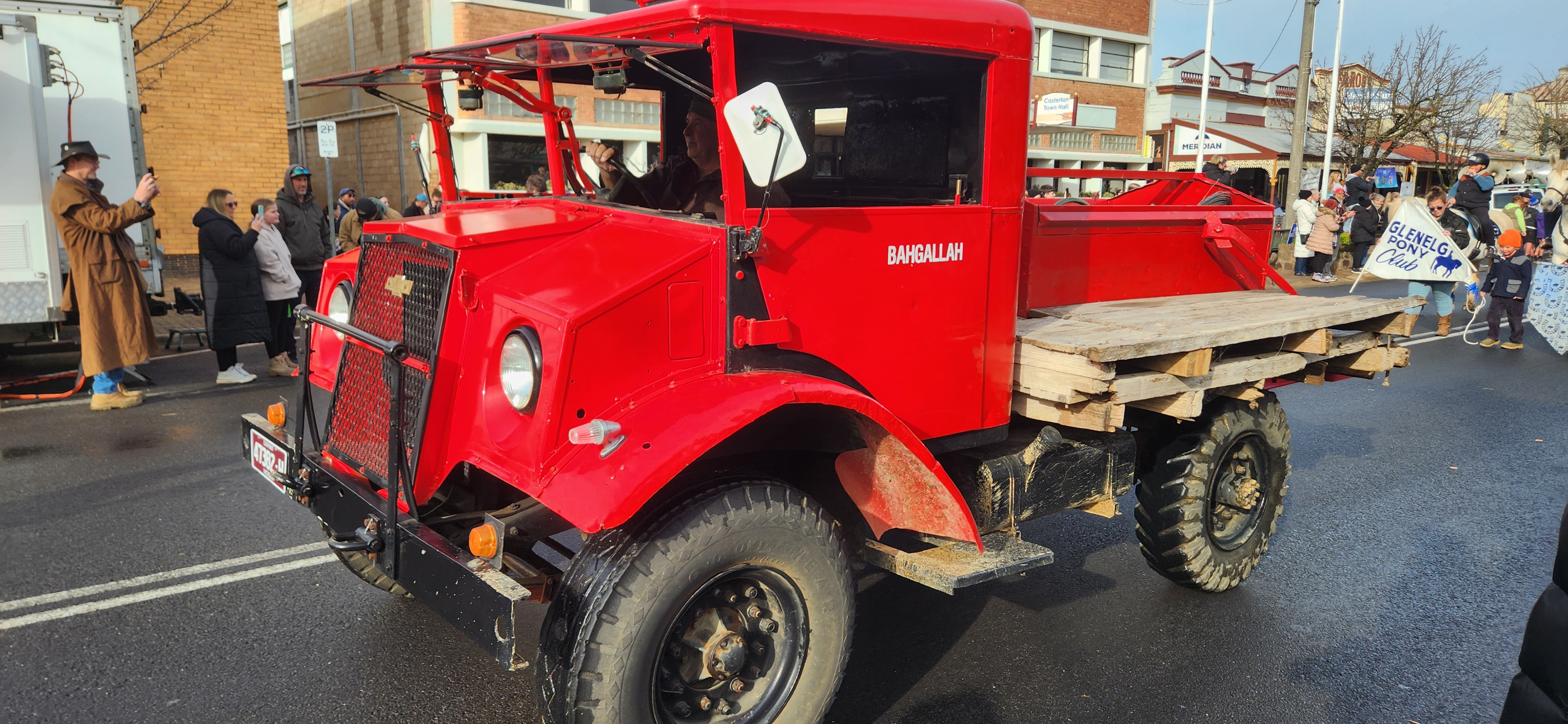
These beauties yelled out “G’day, nice pups!” as they rolled the EJ Holden passed…

And the pup on horseback squeaked as she rode by, her excitement streaked down her master’s thigh…
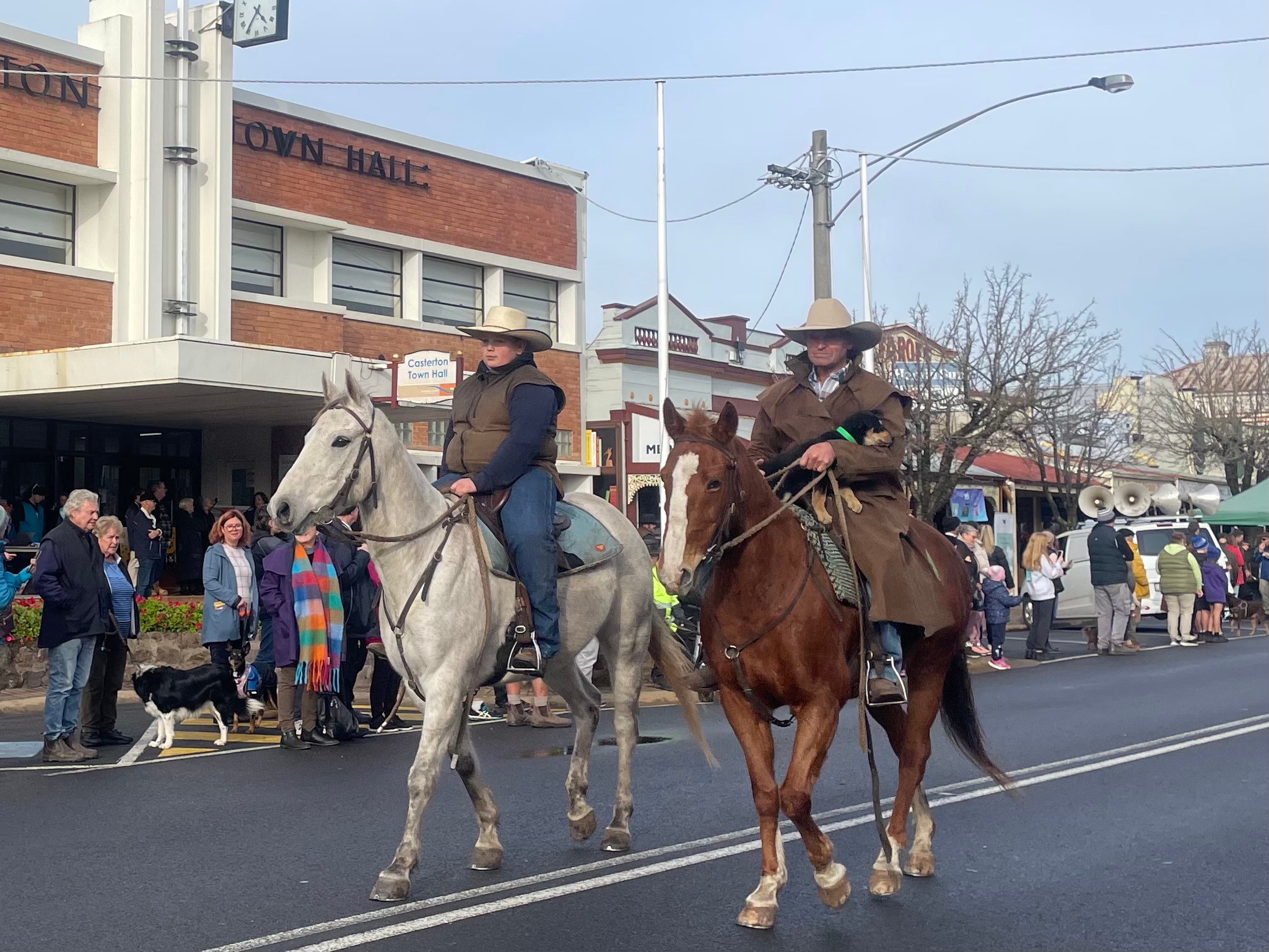
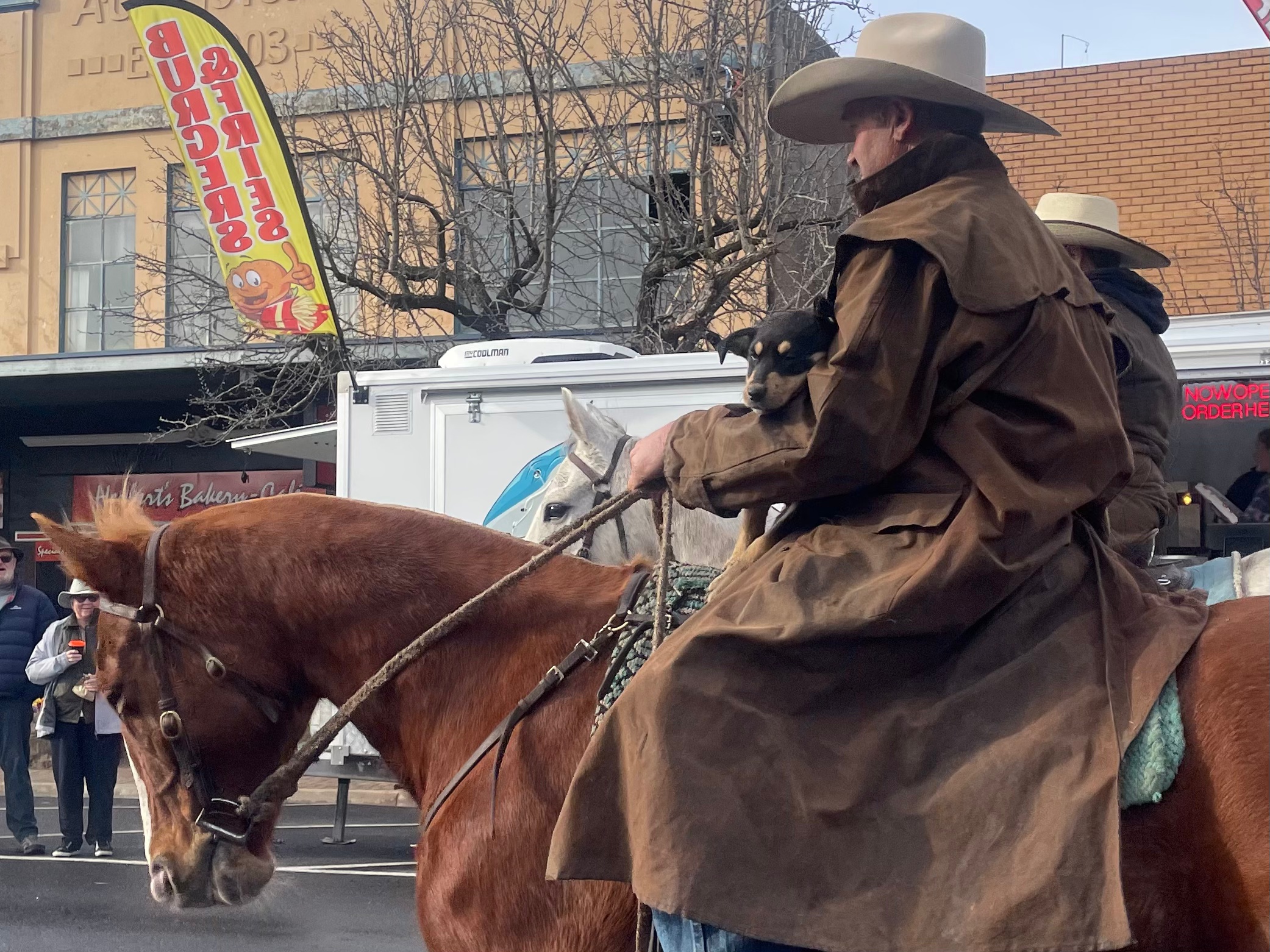
There’s the sprint and the high jump, the hill climb and more, a phalanx of fur four-stepping in glee, the calls of the owners a comedy soundscape of “gits” and “go Monkey go!”

It’s a showcase of talent and grit in which the Hill Climb is the pinnacle. Pups are called from the top of Blueberry Hill, which towers 50+ metres above us, slick and commanding. Shrill commands disperse into whispers by the time they reach the dogs’ ears, yet somehow they understand, climbing valiantly towards a dot on the summit…
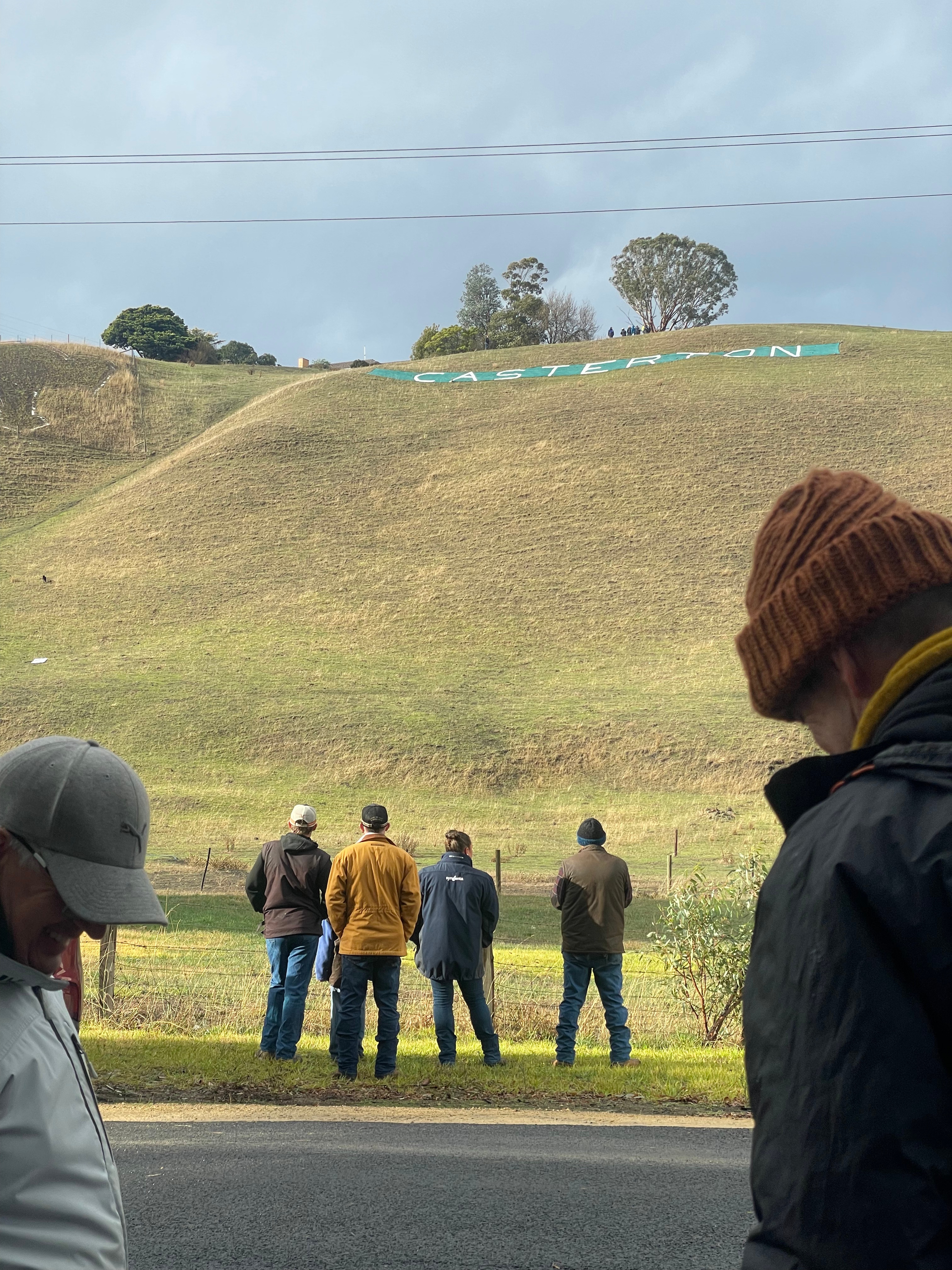
Zoom in to see Dixie mid-way up and moving fast

The Stockman’s Challenge features sodden sheep and downcast horses, but the Kelpies are on point, eager to prove their worth.

This is a breed that can run 60 km in a day, with a hawk-like devotion to a job they find fun, sleeping inside the stone rim of the fire pit at night, to cradle the warmth. They are as happy herding a feather or leaf if no stock are available, and can find their way home when lost and alone. To the people here, the farmers and stockmen, ringers, breeders, trainers, and owners, they are our ride-or-die.

The muster is like a high-school reunion for dogs. Black and tans, blues, silvers, reds, blondes, there’s a hierarchy, a pack order, and within that, there are striations of when and how. Our urban Kelpies are free-er somehow, less expected to do anything but be with us, a novelty thanks to their colour and city road skills, less working, more w-o-r-k-i-n’…

At night, the rank and file are kennelled in the showgrounds, a snarl of outlying settlements beyond the pub. Behind a wall of mud-streaked tow rigs, hot coals smoke in homemade braziers in neat, utilitarian camps hung with collars and muttering with sound. We are welcomed in all, tails wagging in delight, bourbon shared in tin mugs, the stories of the mobs tangling in laughter lifted high in the night air.
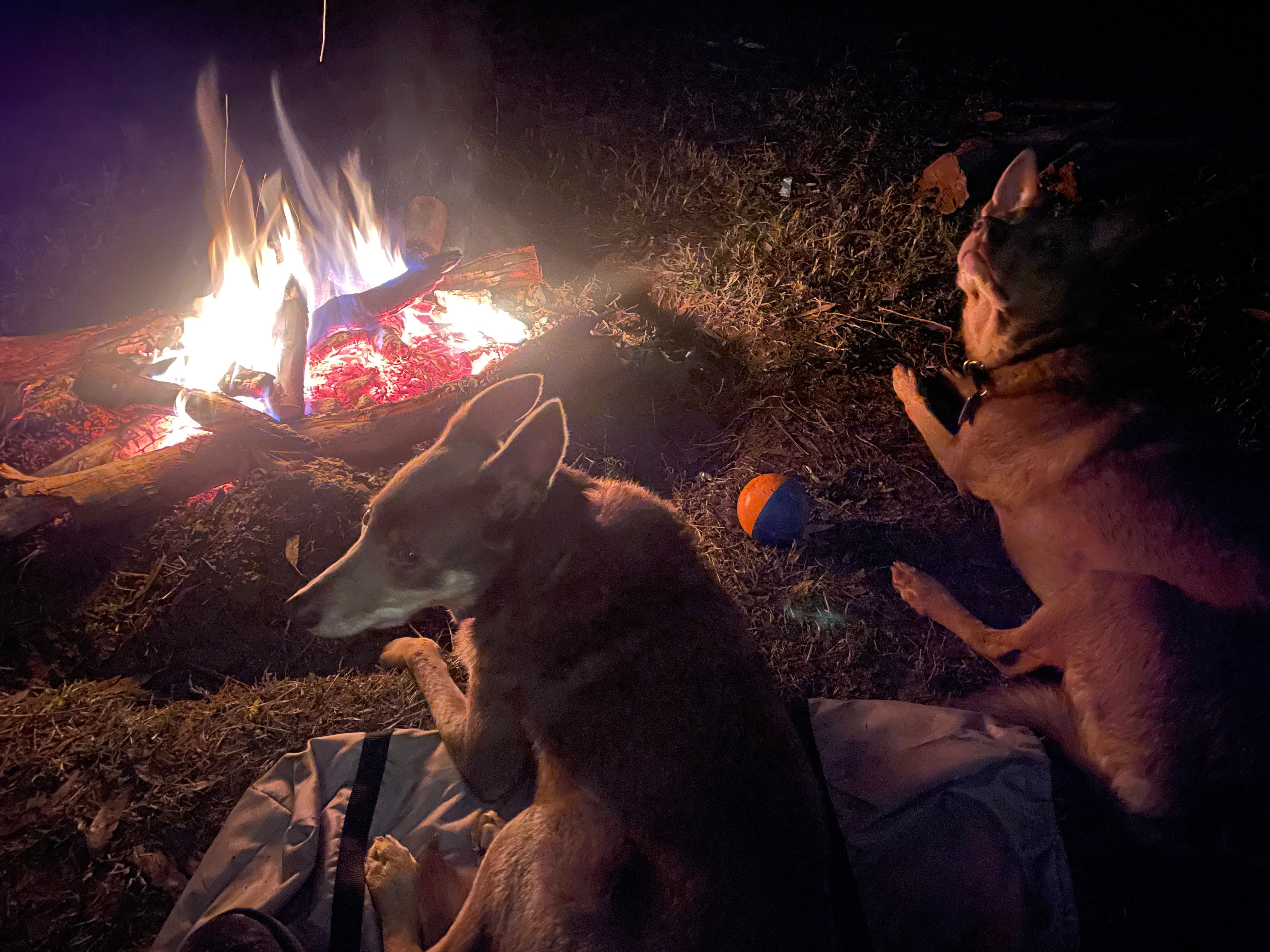
The defining emotion at the muster is one of love, a canine-human equation that has an infinite result, loyalty and respect squared. The only fight is a fracas at the pub, speed-dealer sunnies at dusk, and an overturned table. Over ‘his missus’, apparently. The Kelpies are better behaved entirely…

Sunday breaks with a steady stream of patois statistics over the tannoy: “Dolly is from Molong, an 18-month-old uncut bitch, who leans to the left on a mob of stock, but will take direction”, I think is what he said. Not quite what I was expecting, but the Kelpies have their ears pricked, so it looks like we’re heading to the trials that are a precursor to the working-dog auction.

His call continues. a minaret to the believers, graziers lined up along the fenceline, watching, intent. One by one, the dogs are led out into the paddock to show off their skill, low to the ground, stalking, nipping, herding the stock into the corner and through the crush, their desire to work evident in each bright-eyed acknowledgement of barely uttered commands. They are judged on their intelligence, instinct, stamina and obedience – and ‘a tendency to nose-bite’.

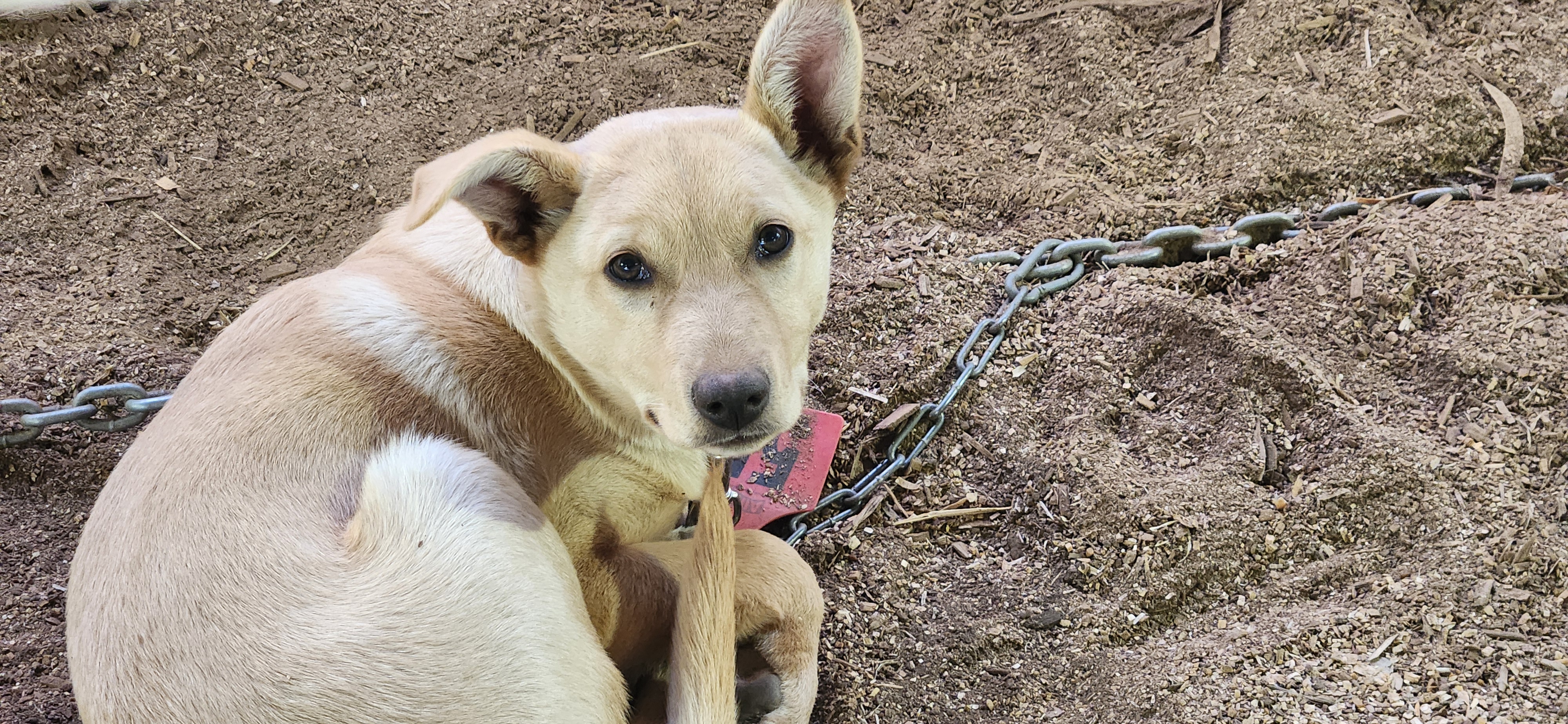
It is tempered by the hopeful promise in mournful eyes of each dog tethered on heavy chains in the shed, awaiting their turn – or the outcome of the auctioneer’s gavel.

I would take them all home, these bright-eyed pups, but their lives are lived in service, their incredible instinct dedicating them to a role they are born to. Added to which, I am not in the bidding for prices that can exceed $45,000.

Legend has it, Warrock Homestead is the birthplace of the Kelpie, although this is heavily debated. We go, anyway, and find nothing of the bright intelligence of the dogs. Instead, a crumbling pile – on show for a price – drags threadbare memories through the mud. We are handed a scrap of paper with badly kerned words, and told the cream teas are over. The map dictates where to go to see this ‘outstanding nineteenth century Western District pastoral complex, featuring 36 hand-built Gothic and Colonial style buildings’. It is riven with sadness, and icy to the touch, ghostly shivers sneaking up your spine in every emptied room.

“Here the mistress took to a single bed until the end of her life, her unborn babe buried beneath the breezeway”

“Here, ‘the Blacks’ were made to sleep on broken slats slumped on mud floors”

“Kennelled here, the estate’s Irish wolfhounds were released regularly to hunt native dingos”
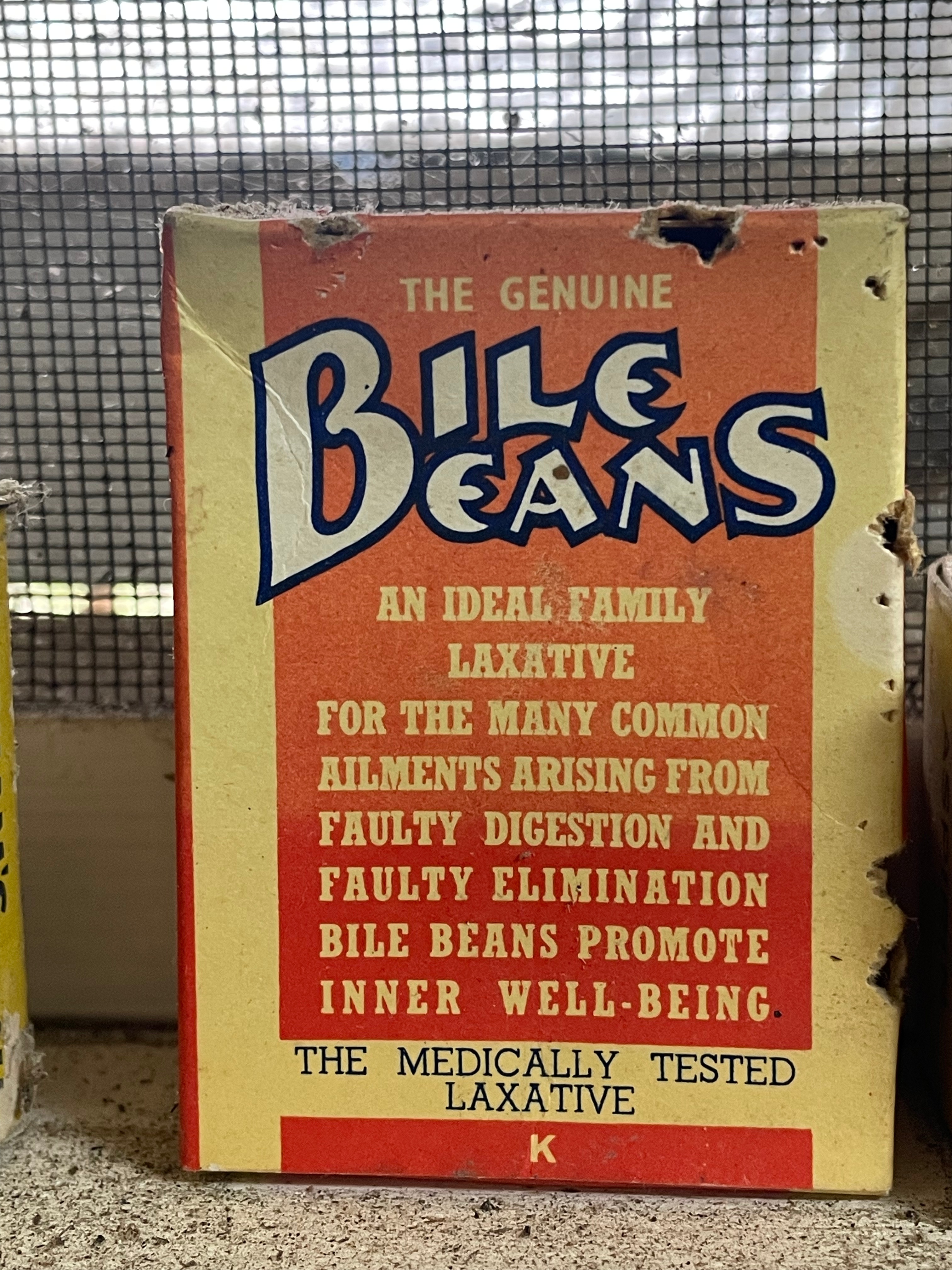
There’s a negligence here, lost care and hollowed lives. Station log books show the tight curl of disrepair, this hard land complicit in every aspect of life. Family photos are patina’d with sadness, eyes downcast, a visual memory of pain. George and Mary had one stillborn child. He took up with the maid. Mary died of heartbreak.
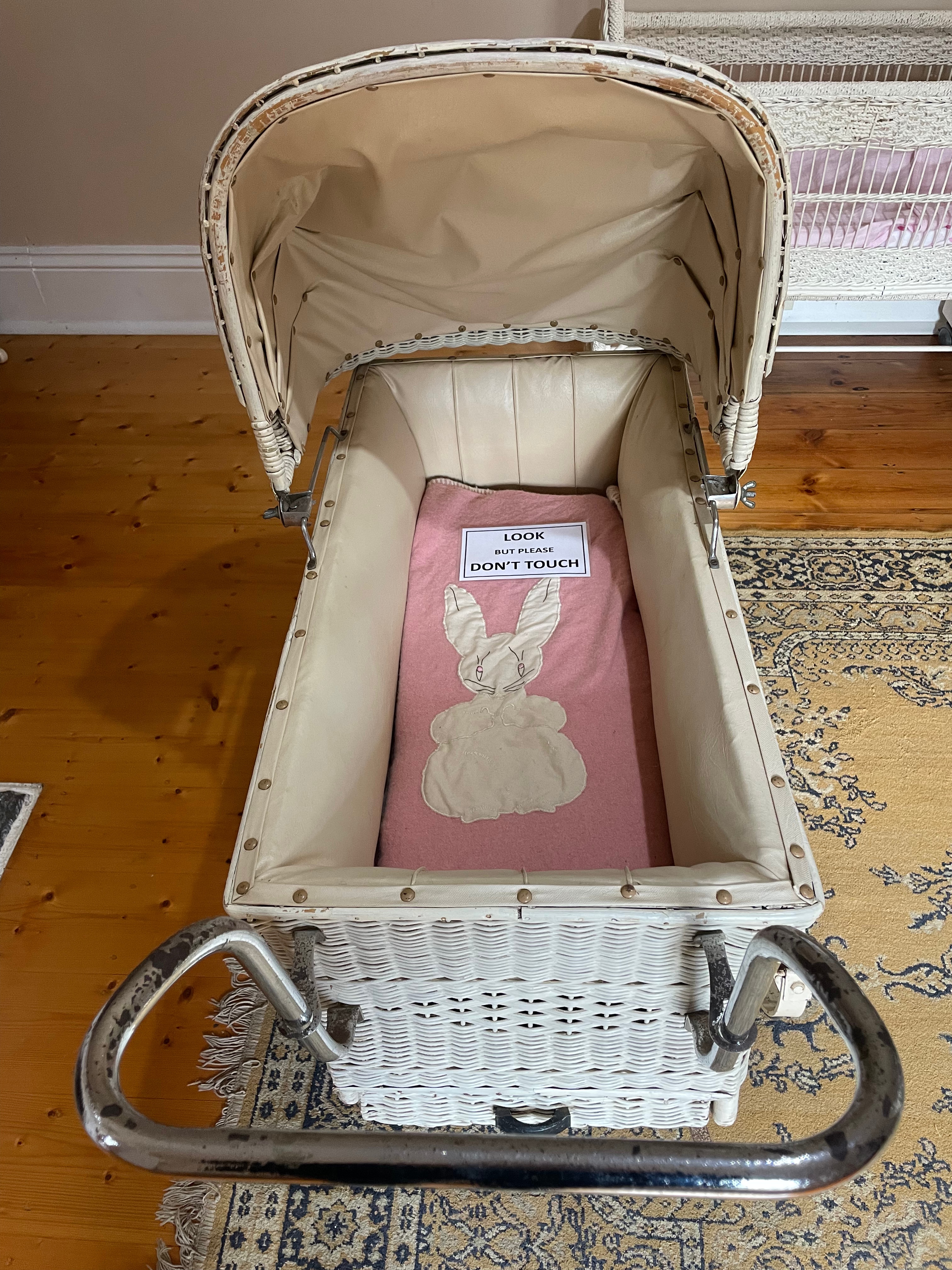
It is a pleasure to leave Warrock, with its dark history and claims of ‘the first Kelpie stock’. Because if you scratch the skin of this story, the truth exposes a lie. The landowner of Warrock refused to give any pups from his Scottish collie stock away, determined to keep the collie line. One was secreted out to a drover, however, and traded for a horse. The drover – Gleeson – named her Kelpie for the malignant water sprite of Celtic lore. She was mated to ‘a black prick-eared male’ named Moss in Ardlethan in NSW, and it is this litter that is believed to have forged the bloodlines of the breed, named Kelpie’s pups, or ‘Kelpies’ for short.

We take to the open roads, heading home to put the urban Kelpies into training for next year, starting with laundromats and how to use them…
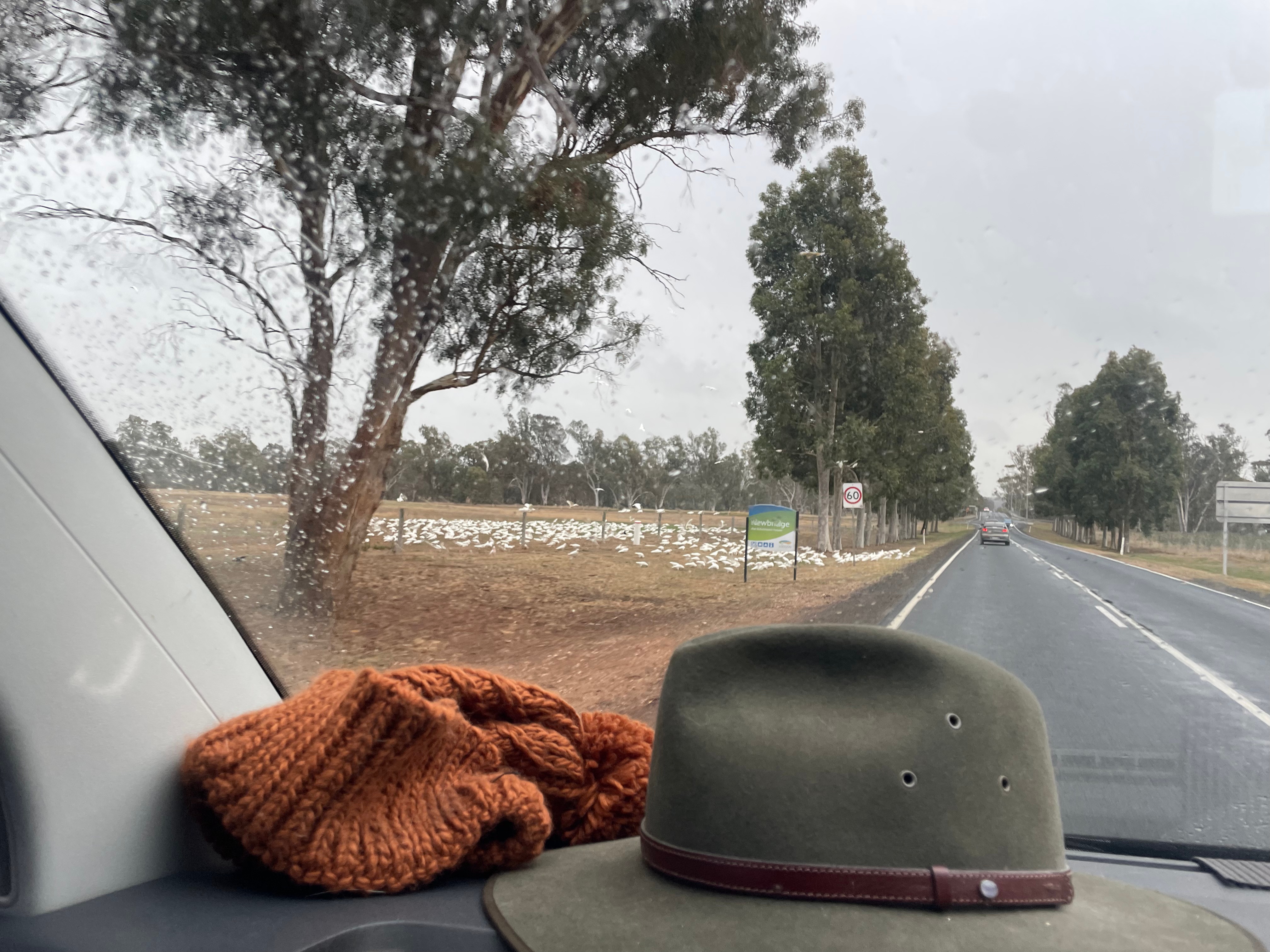
They’ve got 11 hours and 48 minutes to master the skill.

First landing

photo 1 (9)

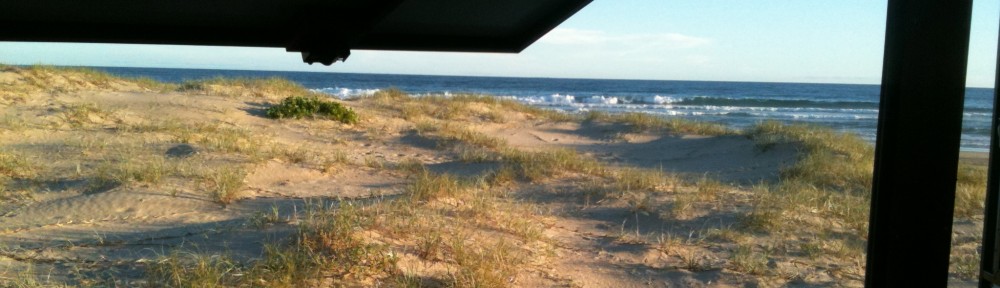
I am in thrall to the sand, salt and sun ratio that the powdery fringes of our world promise, toes scrinching in the cool damp of buried seawater, the sluice of surf over the break, and a horizon that sidles up to the sky. And while I have a deep appreciation for the finest beaches in the world – mirror-clear waters in the Maldives, the raw savagery of Fraser Island’s ragged coast and the scented chic of the Côte d’Azur – it is the schleppy beaches of the world I cherish.
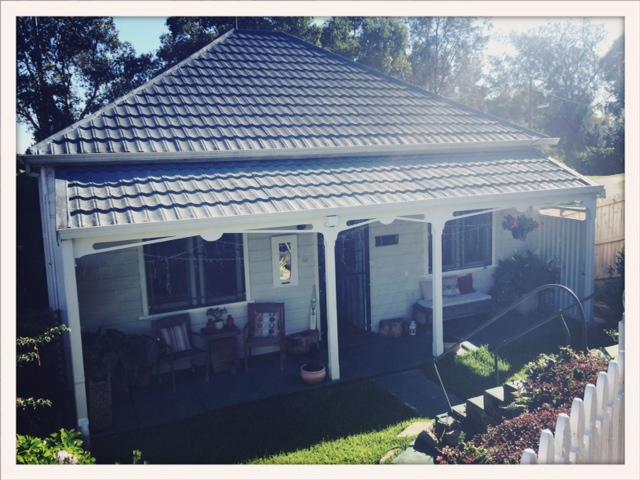
photo 2 (7)

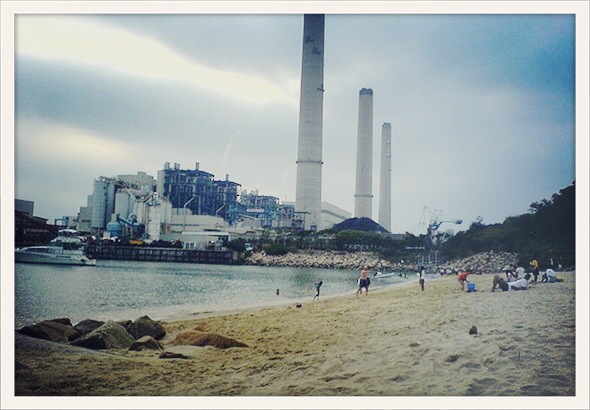
A sorry excuse for a strip of sand, Power Station Beach frills its way along the edge of Lamma Island, itself an outlying island of Hong Kong. It was once my home, literally. I slept in a teepee above the tideline and woke each morning to the belch and squeal of hot air rising in monolithic cement chambers, and the warble of red-throated loons as they paddled off-shore. There was a smear of sulphur in the air sometimes, which collided gracefully with saltwater and early morning char siu bao.

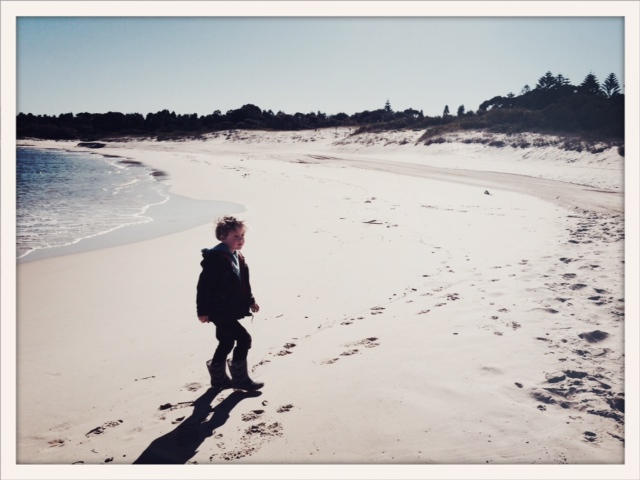
Yarra Beach, which skims the edge of one of Sydney’s least known and smallest suburbs, Phillip Bay – La Perouse’s jerry-built neighbour – also fits the bill faultlessly. It features a container terminal squat at one end, sand that may contain dead bodies and a distinct case of multiple personality disorder.

photo 1photo 5

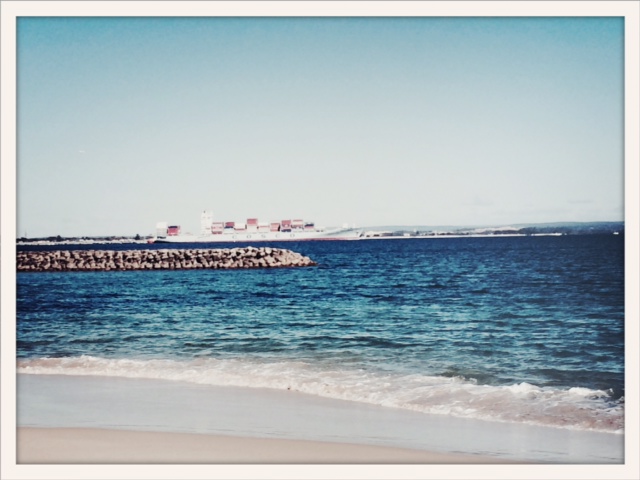
It’s our favourite place – me, the Tin Lid and the Kelpie – even on a wintry day that scours vapourised breath from chapped lips. It stretches away from the eye in a leisurely curl, deep anchorage in its embrace. At one end, Port Botany Transfer Station and container terminal hulk-in, heavy; towering stands of metal boxes await the colossal grip of the lifting crane, and tiny stevedores scurry like ants from a height, busy in their endeavours.

photo 1

Sydney Ports Corporation

Peering in close, to get a good view of the action, blighted headstones line the ridge, the residents of the Eastern Suburbs Memorial Park taking best advantage of this ‘forever’ spot.

photo 2

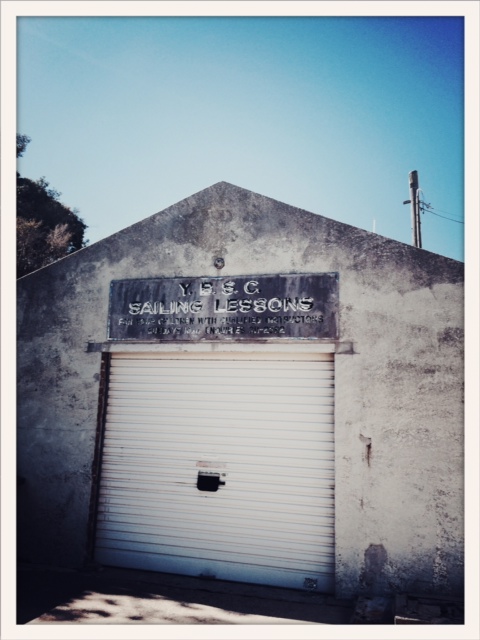
At the other end is the splintered timber and plastic veneer of the sailing club, blinking with pokies and bickered at by bookies.

photo 1

I think that might be part of the attraction, the hustle of activity on a stretch of sand that stands sentinel to time. Ocean leviathans steam into port honking and wallowing, their steel guts either laden or set to gorge on the gargantuan consumerist container picnic that awaits them. The dead on their last journey, as they shift and sift through the sand; yachties riding their charges over trough and peak and returning, sodden, to the sailing club for a cold schooner and hot chips; the burning rumble of the jets as they land and soar from Kingston Smith; and local dogs who howl and splash in joy, catching life in salty draughts on lagging tongues.

photo 1photo 3

Defined by Yarra Point and Bomborah Point, the Bay is a series of south-westerly swoops, unique in this east-facing city. At the height of summer, we head to the shade of some scrub at the southern tip; in winter, we get to luxuriate in its length, right up to the otherwise sun-baked perimeter, a concrete seawall beneath the steely gaze of Port Botany, its industrial choker.

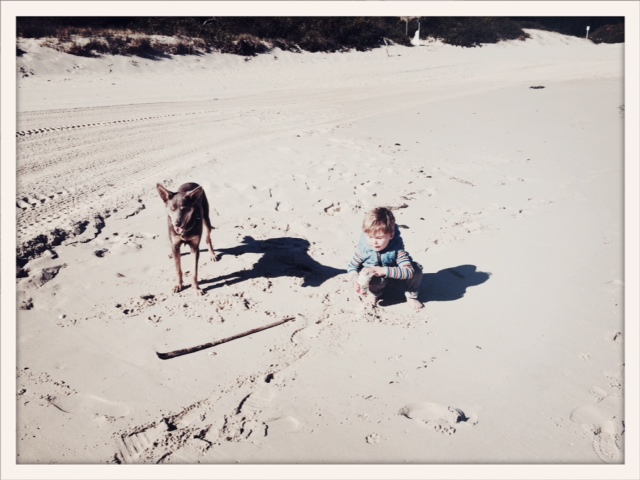
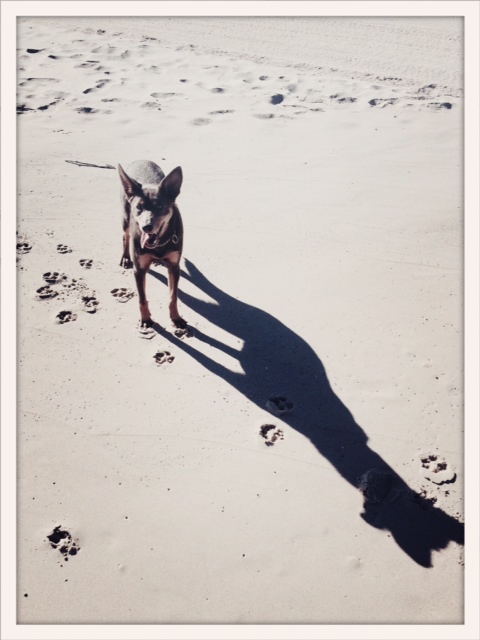
The Tin Lid is agog at the plastic-bottle whirlpool churning in the eddies, and the Kelpie insists on dragging a tree wherever she goes. Ring-ins for the day include a bestie and her bottom-waggling charge, who hurl themselves into dune climbing with verve:

photo 3photo 1photo 4

Beyond the bend is Frenchman’s Bay (and La Perouse on the spit), considered culturally significant as the site of some of the earliest contacts between Europeans and Indigenous Australians, and it remains significant thanks to the survival of the archaeological remains of a nineteenth century Indigenous encampment and mission, the continued presence of the La Perouse Aboriginal Community and the oral tradition and social identity associated with this history of occupation.

But that is another story.

Today, we are here, ensconced in a world of salt spray and cool sand, a blustery wind bemoaning our intransigence.

photo 3photo 3photo 1

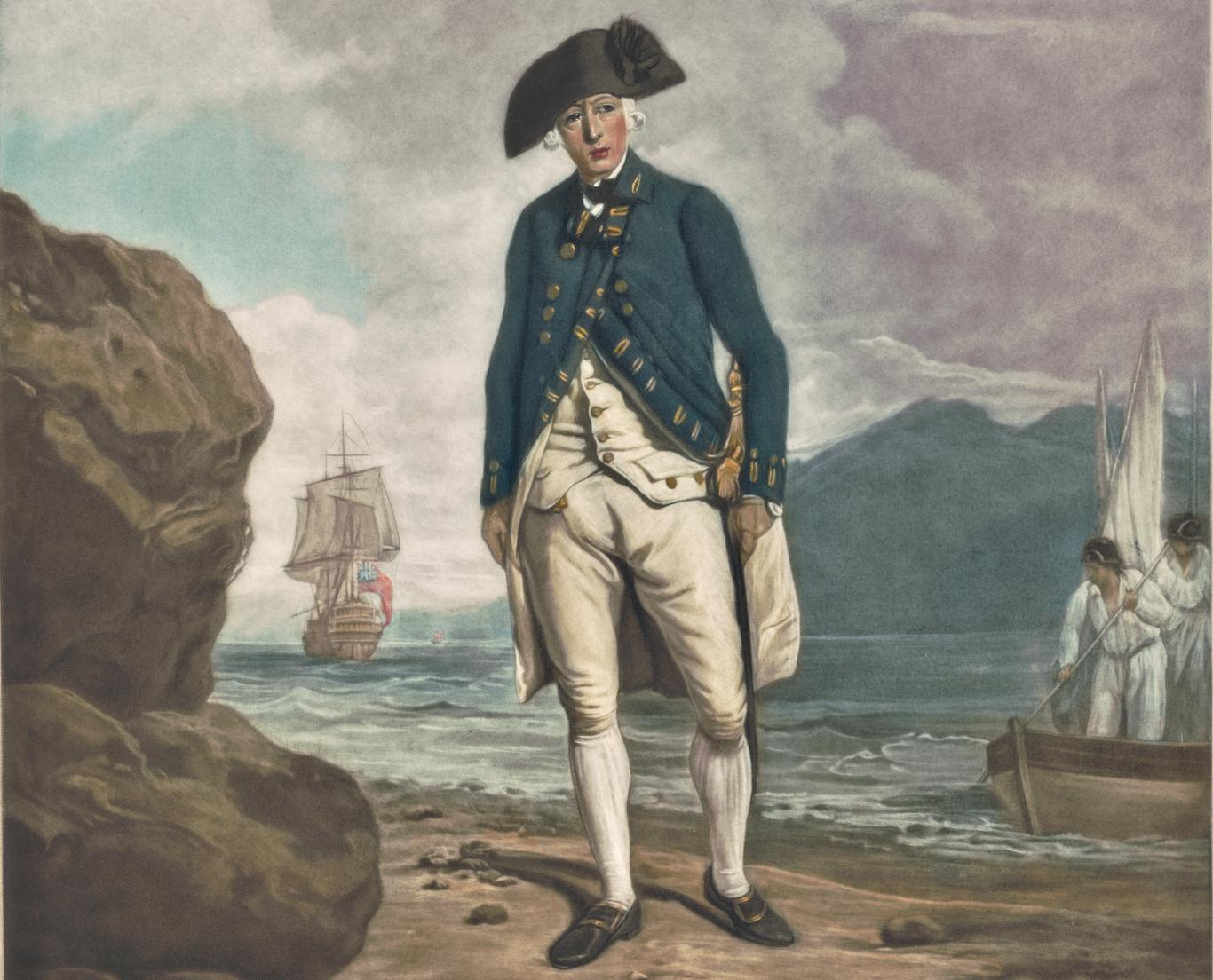
This was where Governor Phillip first strode ashore; here on 18th January 1788, the Indigenous population of Yarra directed the be-hatted Arthur to a fresh water source, Bunnerong Creek, which flows between Frenchman’s and the Bay.

sydneylivingmuseums.com.au

sydneylivingmuseums.com.au

It is believed that Yarra means flowing, originating from this water source. With resoundingly narcissistic flair, Admiral Arthur quickly renamed the place Phillip Bay, despite the lack of ‘lush meadows’ promised by Joseph Banks. In fact, he was quick to decree that Yarra was ‘unsuitable for habitation’. And the meadows, it turns out, were round the corner at Port Jackson, which is where they headed, more demand for the HMS Supply…

No-one knows why Phillip’s name was kept for the suburb but dropped for the Bay, but Yarra will always be Yarra to us, as I suspect it is for the Aboriginal community here, who have successfully claimed Native Title for the Yarra Bay headland and Yarra House. But that’s part of that other story…

photo 3photo 5

As the shadows stretch we head away from the Bay, promising ourselves a longer adventure next time. The Tin Lid is intrigued by Serious Stuff, complete with it’s half-drunk bottle of claret, and the bottom-waggler is intent on discarded hot chips, to his mother and the local gull’s dismay.

photo 3photo 2photo 1photo 5photo 2

The Kelpie yelps at the prospect of leaving, but she is soon snoring, dreaming of slung sticks and foamy surf that she snaps at in her sleep.

photo

That other story, with its 16′ skiffs, haunted homes and secret coves, awaits our return.

photo 2photo 3

River Queens

Forever in debt to the rapacious canine demands of The Kelpie, the newest member of the mob, I find myself in the weedy gutters of anonymous backstreets being tugged towards the park – any park. With noses snuffling, ears twitching and eyes bright with the expectation of rotting treasure, she and I explore our daily date with dedication…

photo (63)

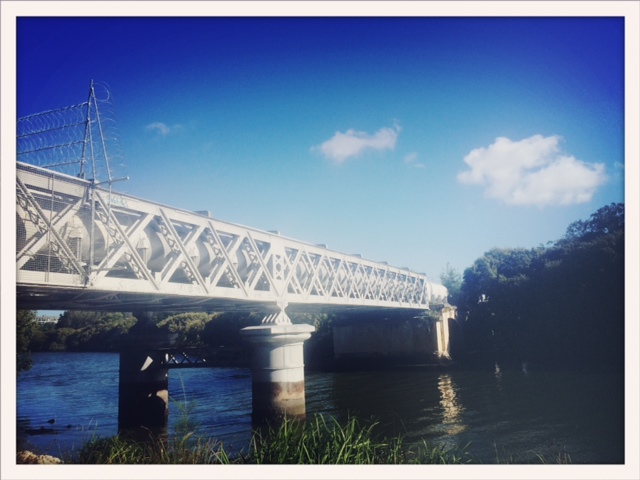
On a lip of land that juts above a sulky river was once a castellated Victorian Gothic mansion, a queen sporting a regal demeanour over her 130-acre domain. The Warren, so called for the tumbling colonies of rabbits bred on the estate to be hunted, was home to wool merchant and politician Thomas Holt in 1864; a prestigiously leafy estate overlooking the Cooks River, she wore her grandeur as freshly-combed ermine.

photo 3photo 2

Thirty bedrooms, a dining room to seat 50, art gallery, bathing sheds and Turkish baths, and located in the heart of riverside Marrickville, The Warren was a real-estate’s wet dream. Today, little remains, though there is a distinct sense of propriety, of sweeping capes and walking canes, of parasols and rum at dusk, as the bats flit silently by.

The Warren may be long gone, but it still exerts a powerful fascination. Residents, both old and new, often refer to their locality as The Warren, and its presence can be sensed in many ways.

Ferncourt School is built from the stone of The Warren’s demolished stables. On the banks of Cooks River, hidden behind concrete, are the remains of The Warren’s burial vaults, and a large amount of sandstone… has been recycled into retaining walls and kerbs and gutters throughout the suburb.

                                                               dictionaryofsydney.org

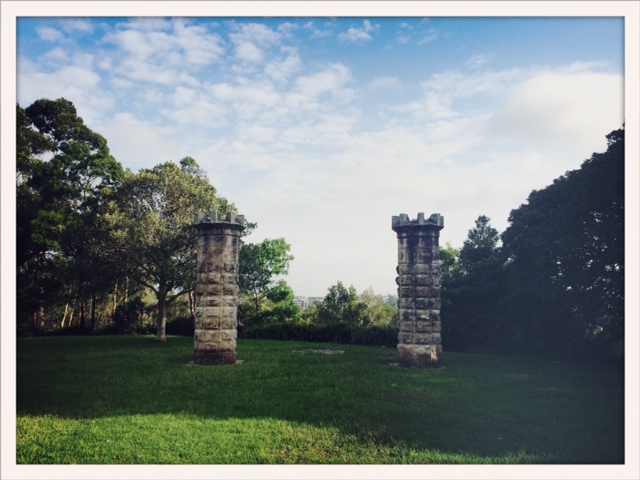
Two towers, originally piers from the back of the building, stand sentinel on Richardson’s Lookout in Holt’s Crescent in South Marrickville, a spindly curve of street that follows the swell of the river. Cobblestones rumble beneath ancient figs, a memory of a driveway perhaps, and the ghosts of garden paths linger, lined with sandstone flags worn soft with time.

photo 2photo 1photo 4photo 3photo 2

Gazing into the distance you can imagine languid lunches on the lawns, the clip of a sulky bearing well-dressed guests and the breezy air of entitlement.

And while the castle was demolished in 1919 (after hosting an order of Carmelite nuns and an artillery training camp during the First World War), the estate remains closely guarded by its feudal community. Despite the glaring absence of the original mansion, a hollow lost to time, the glory of Holt’s domain is steeped in a run of ageing river queens moored to the sludgy banks of the Cooks River.

photo 5photo 4

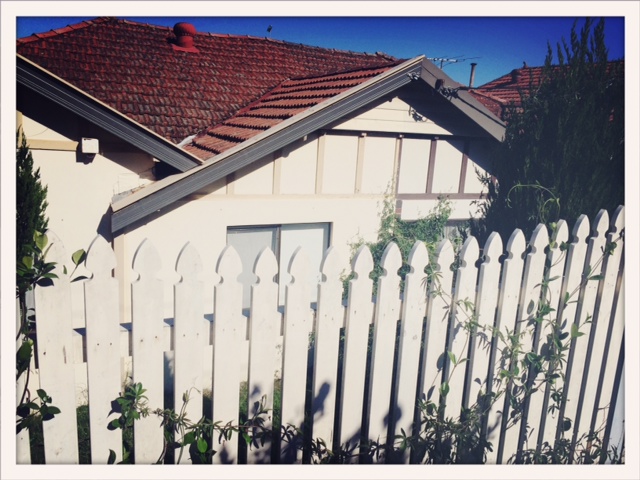
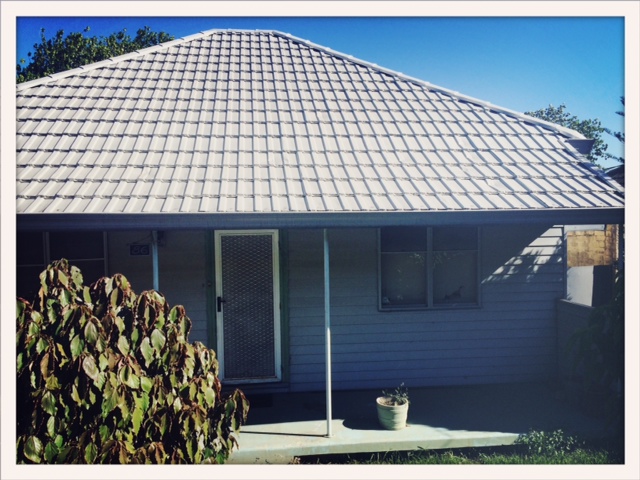
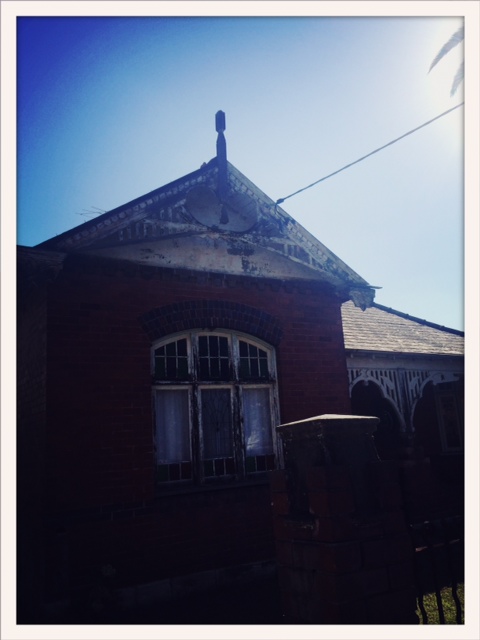
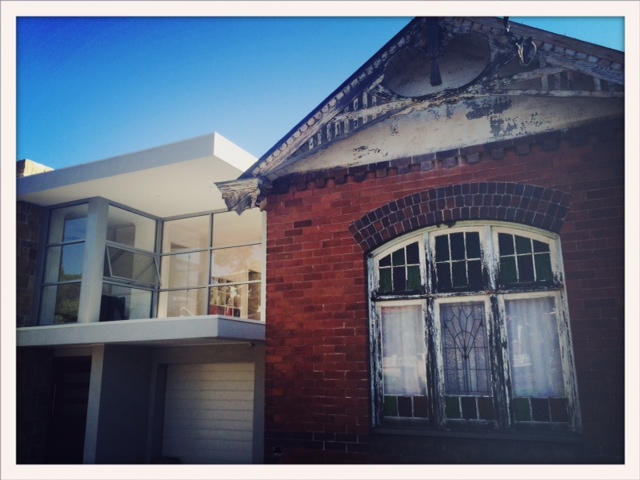
With their toes in the damp, mottled faces staring resolutely uphill, the grand dames of Thornley Street would once have been landscaped gardens. In a later incarnations, they were the boom-time beauties, Edwardian weatherboarders and Californian bungalows of the late 1800s, turn of the century and ’20s respectively, sought after seclusion perched high above the banks.

photo 5photo 5photo 2photo 5photo 3

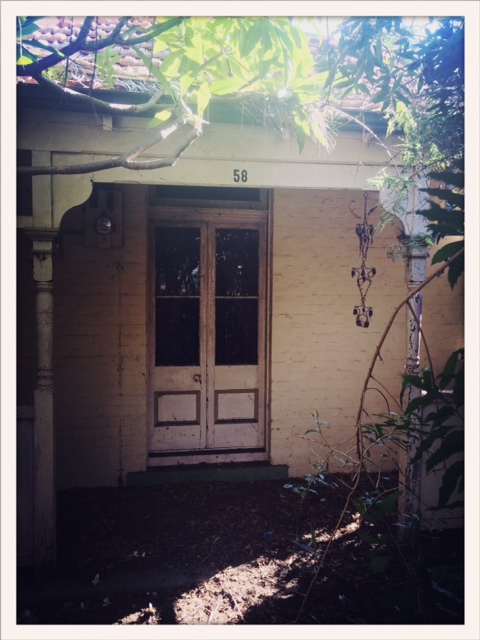
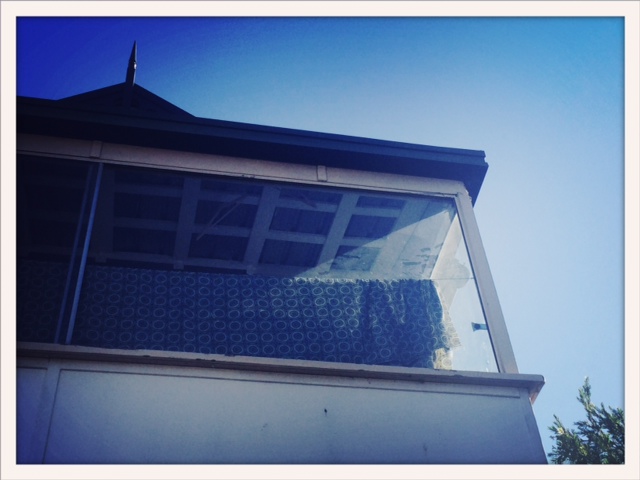
These landlubbers have time sequestered in their dappled flanks, weary memories surging like tidemarks in the rising damp. Paint peels like sunburnt skin, raw patches peeking out from beneath, fly-screened verandahs scratch in the heat, and pastel fibro fades in the glare.

photo 1photo 4photo 3photo 3

Their captains are invariably polite yet reserved, wary of too much attention. Lola and Luigi, deep in conversation over the fly spray, are happy to pose for a shot, asking; “why you want love? You like us old peoples?” Well, yes. I do. What with your stories and insight, life mapped on your faces like sea charts speckled with salt. Further along, an old fella caresses the tarp tied taut around his late ’80s Mazda; “Got a few of ’em love, great motors. Bloke next door hates ’em, says they is an eyesore. But his whole place is a bit on the nose if y’ask me…”

photo 1photo 2

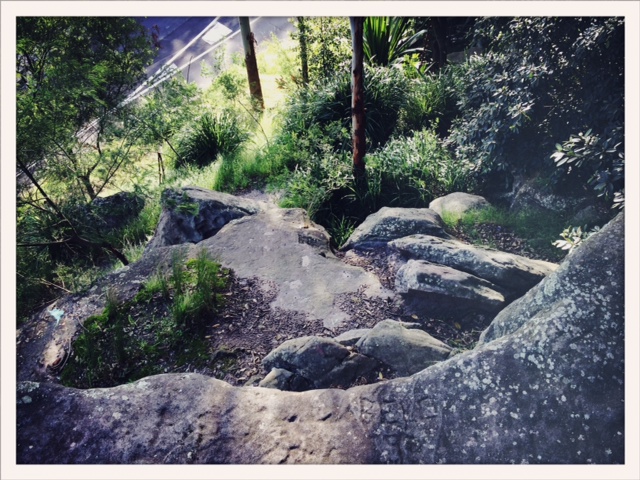
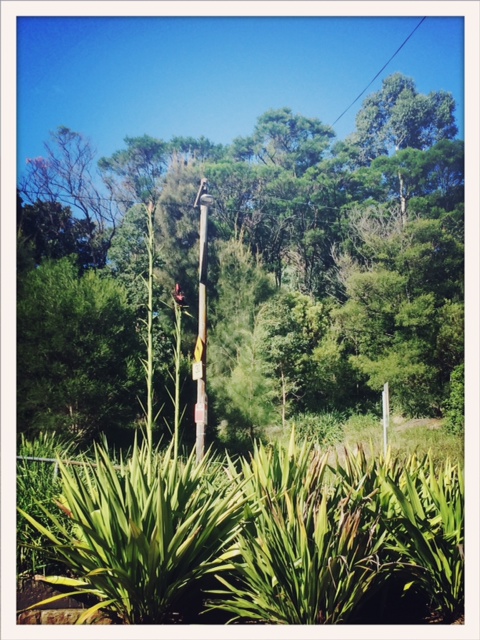
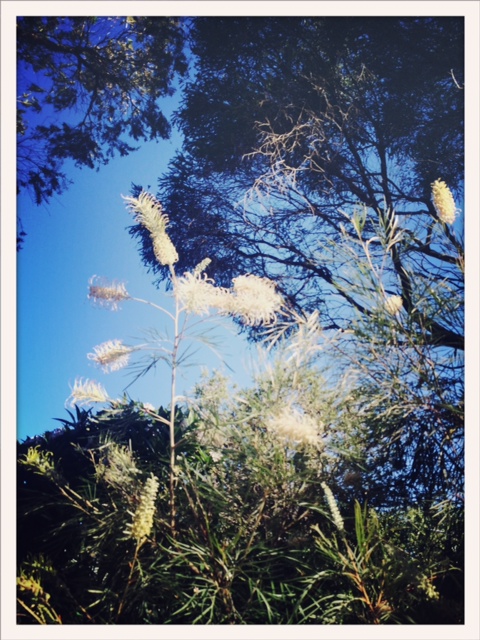
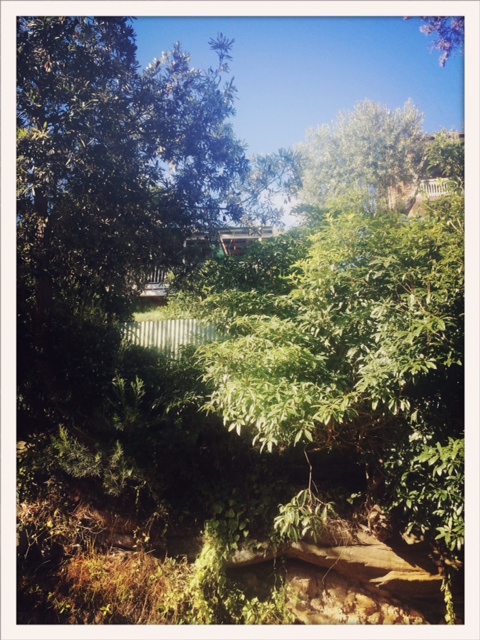
The bush thrives here, in this slice of suburbia; the river breeds it in swathes along her banks; mangrove roots thick with mud, sandstone cliffs that create shadows of cool, banksia, acacia and mulga ferns, speargrass, she oaks and prickly-leaved paperbarks that line walkways yipping with dogs on leads and kids wobbly on their wheels.

photo 2photo 1photo 4photo 5photo 5photo 2photo 5photo 1

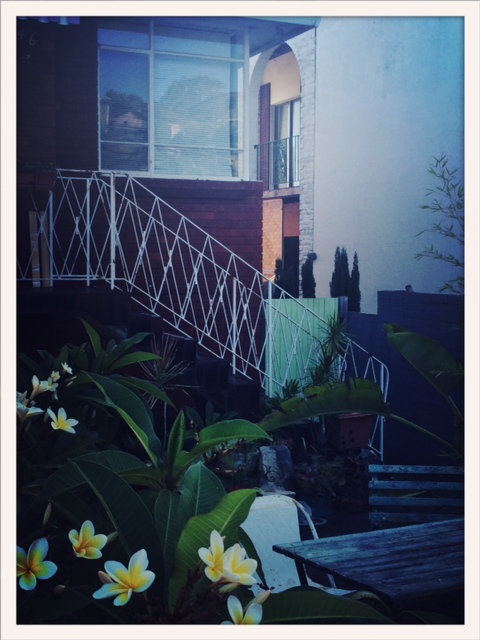
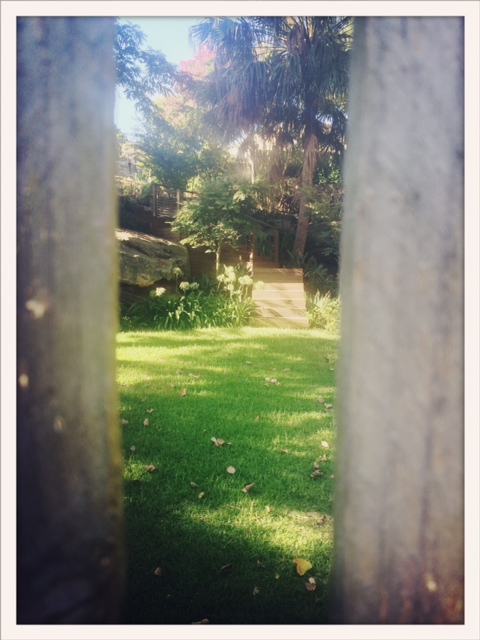
Between the faded faces and gentrified glitz of Thornley Street are cool diving driveways that strip down to the water hundreds of metres below, asbestos afterthoughts – home to tarped cars and garden tools – clinging to them like carbuncles.

photo 1photo 4

It is like looking down an old woman’s gullet, a vaudeville trick that vilifies. Beyond the tidy-town streetscape, straggly ends trail to crippled Colourbond fences that lounge near the water’s muddy flanks, bereft of bilges. Flood marks are a permanent stain, and veggie patches are overrun with natives.

photo 4photo 4photo 3photo 1

Like decaying paddleboats hauled high on their hitches, the river queens slump slowly into their watery graves, an expression of resigned implacability on their tired faces.

Yet while the river continues to inveigle her prey, inch by sodden inch, The Warren Estate persists with its page-one status in the brochures of local real estates. It is the ever-enduring wet-dream…

The Kelpie and I walk on, the river warbling her sordid siren song…

photo 4photo 3photo 3