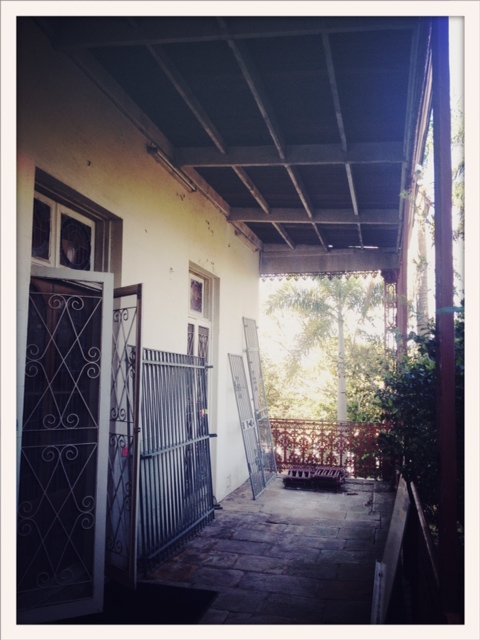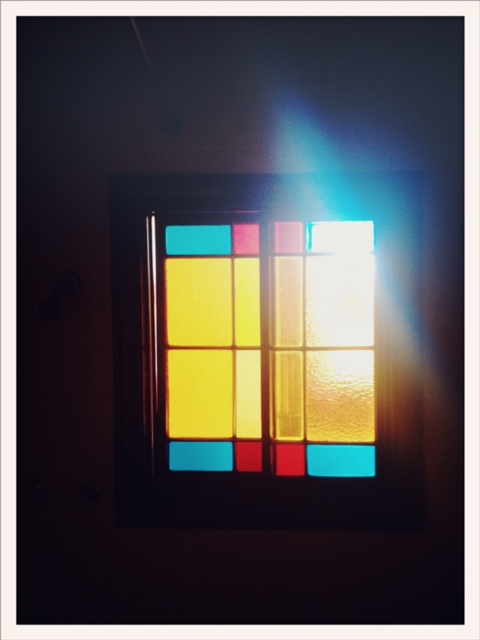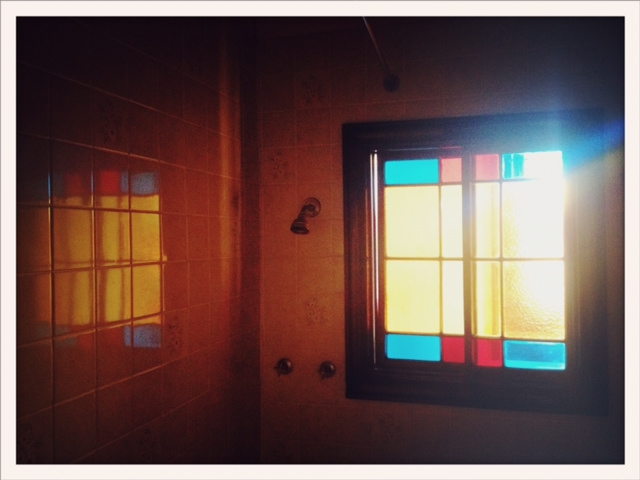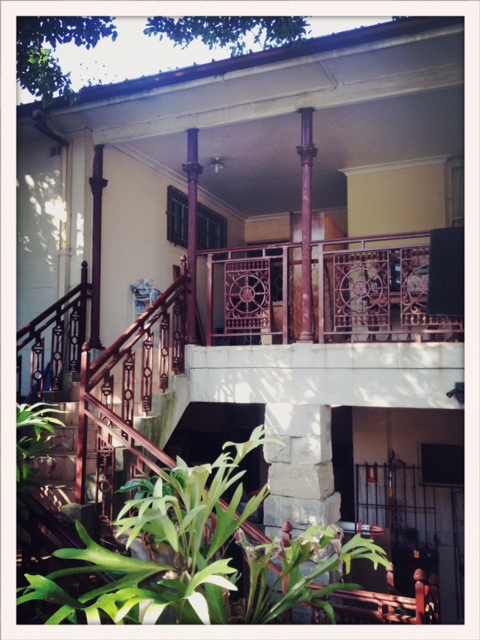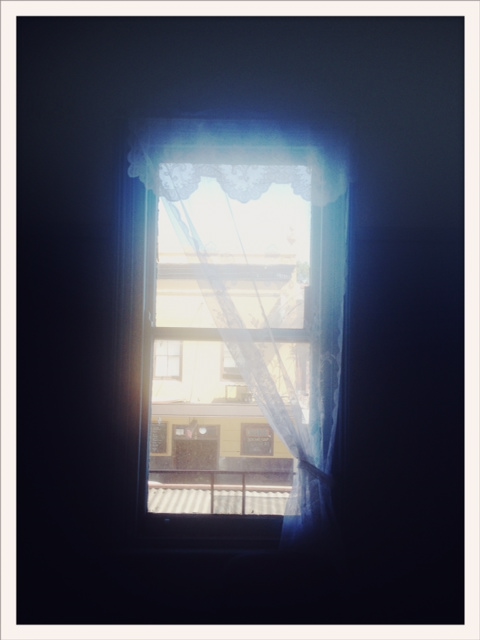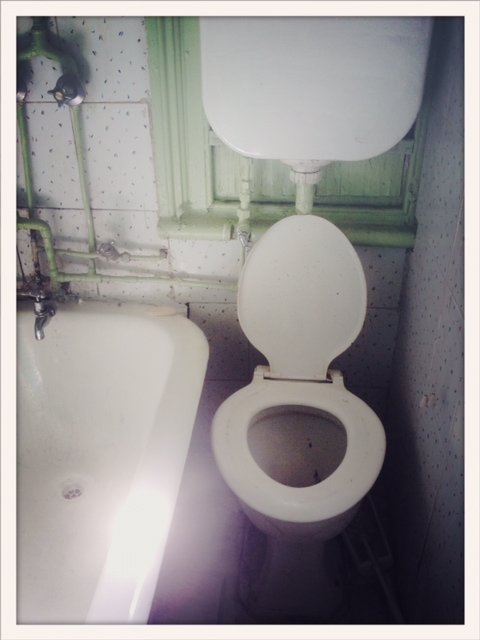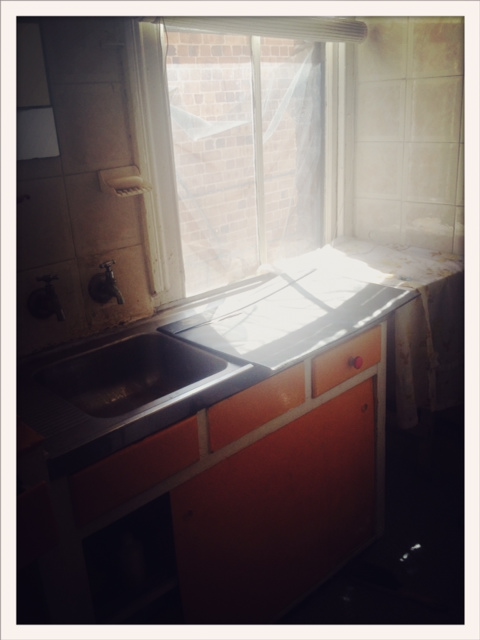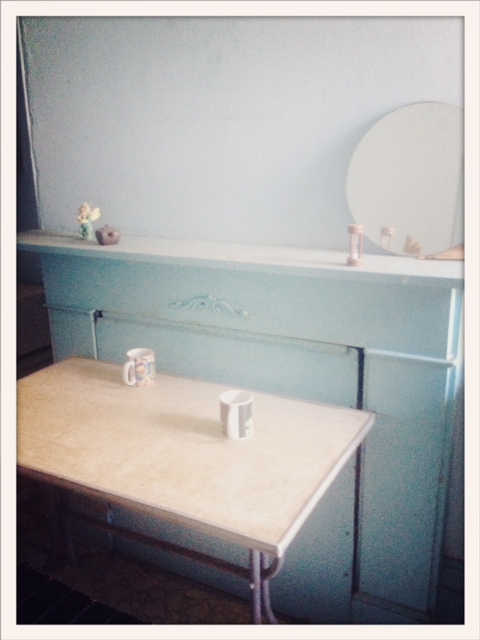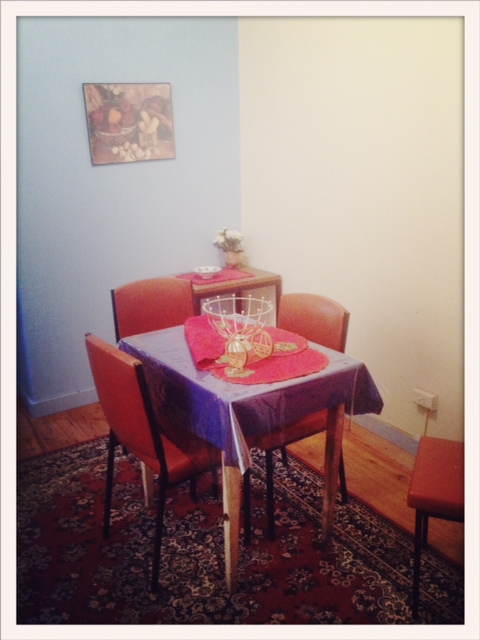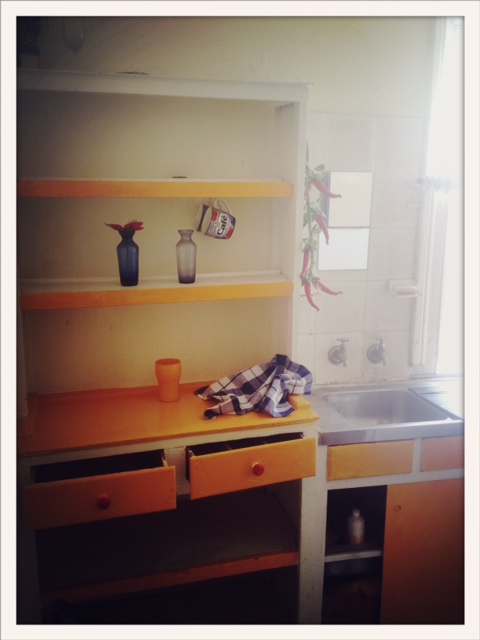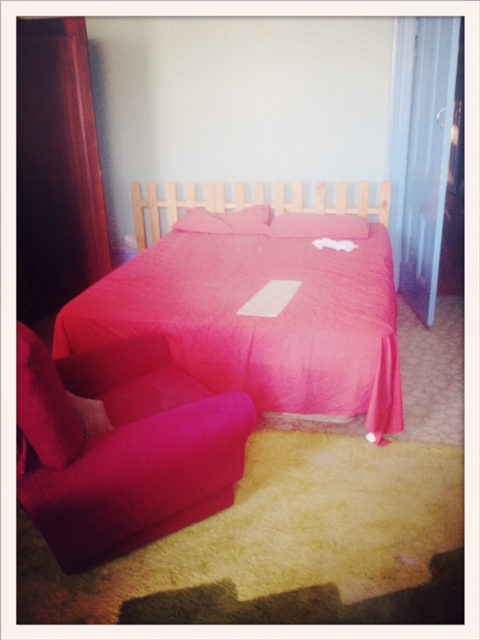
A tale of two cities

Australia’s only tropical capital,  Darwin gazes out confidently across the Timor Sea. It’s closer to Bali than Bondi, and many from the southern states still see it as some frontier outpost… But Darwin is a surprisingly affluent, cosmopolitan, youthful and multicultural city, thanks in part to an economic boom fuelled by the mining industry and tourism. It’s a city on the move but there’s a small-town feel and a laconic, relaxed vibe that fits easily with the tropical climate.

                                                                Lonely Planet, 2014

The last time I was in Darwin it was 1998. My world was aflame with anarchy, and I spent my time stomping solidarity into the dirt at Jabiluka, in protest against the threat of a sister uranium mine for Ranger. The wetlands of Kakadu, to the east of Darwin, and the Mirarr people whose land it is, face an ongoing battle with the deadly removal of yellowcake, though there are significantly fewer protest buses to help these days…

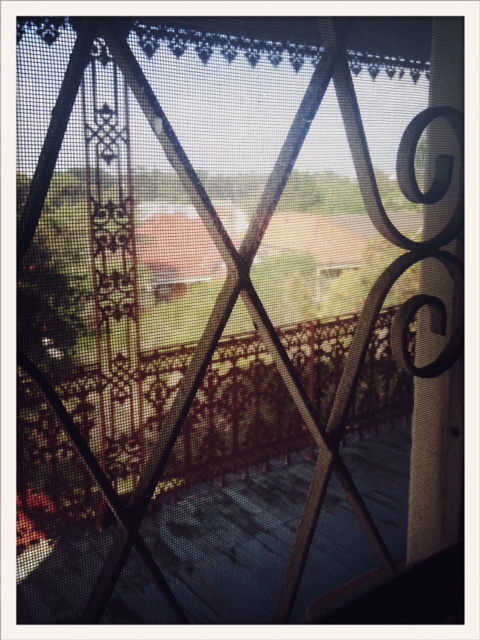
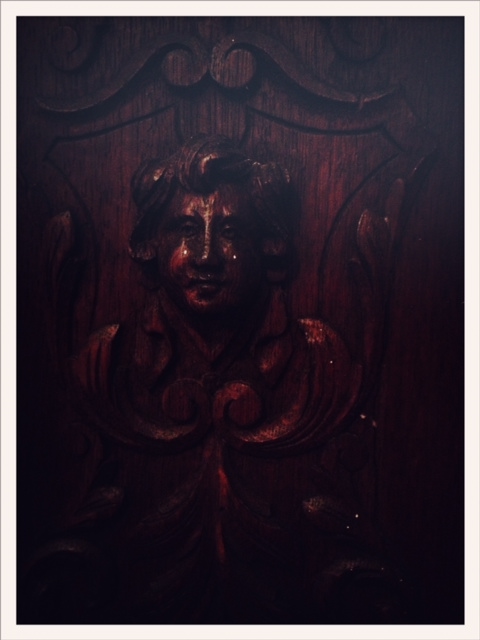
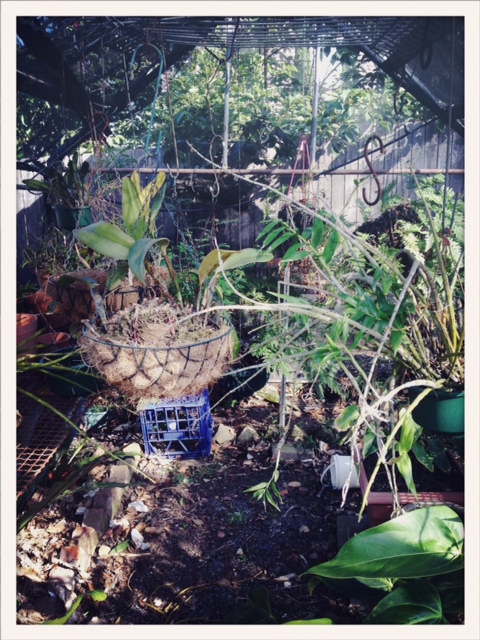
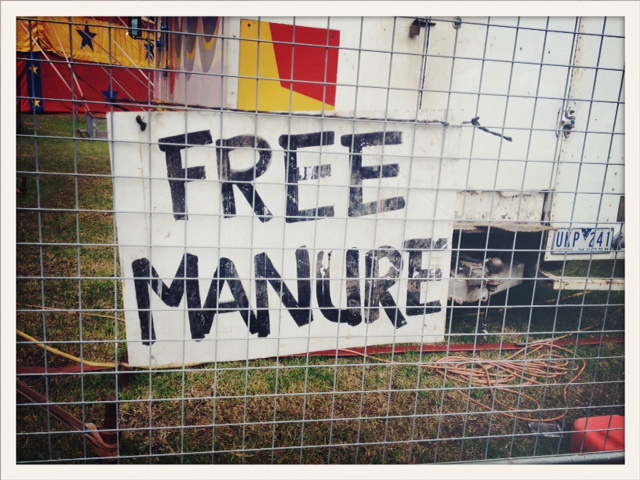
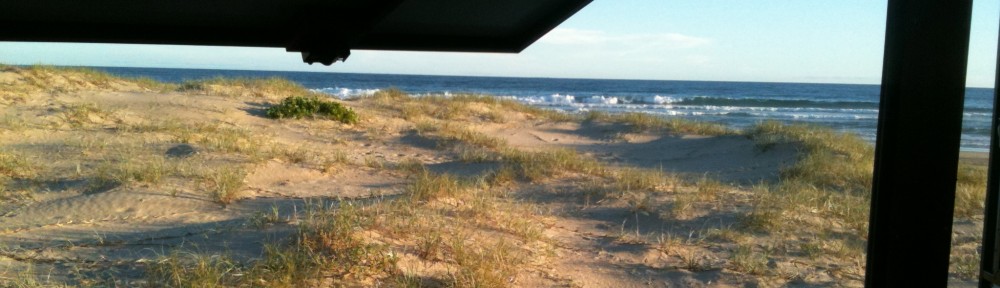
photo 1photo 2

In town, our days were spent parked up beneath the shade of the pepper trees on the Esplanade, toes curled into still-damp buffalo grass, brewing up tea in the billy, lounging, laughing and alive with the heady fervour of our campaign. At night, catching stars in longnecks, we would sleep on the grass until the rangers’ devious 5am sprinkler plot to move us on forced a retreat to the back of the Falcon.

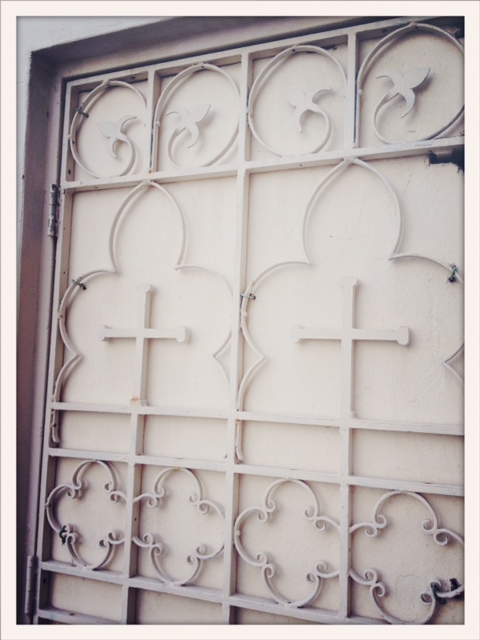
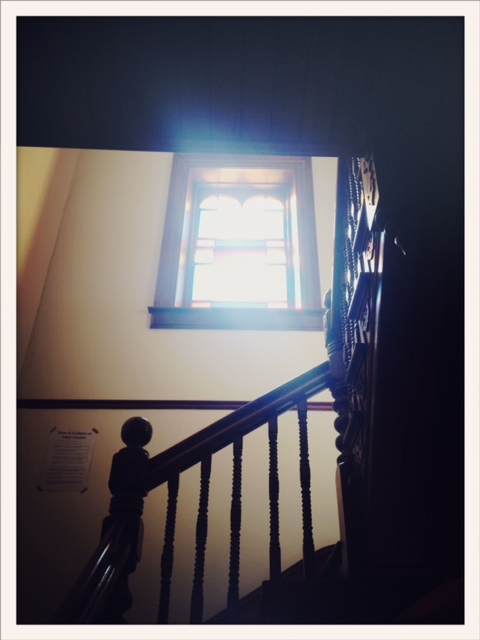
photo 3

It didn’t matter that you couldn’t swim in the ocean; the seedy yet strangely exotic confines of the Hotel Darwin, a colonial dear who struggled with her hearing, brimmed with salt water and draught beer, potted palms giddy sentries that lolled against time-worn walls. Her crackly pool cradled hot bodies flush with Thursday’s dole cheque, and her patina was flecked with hiccuping shadows as the sun fell into the sea.

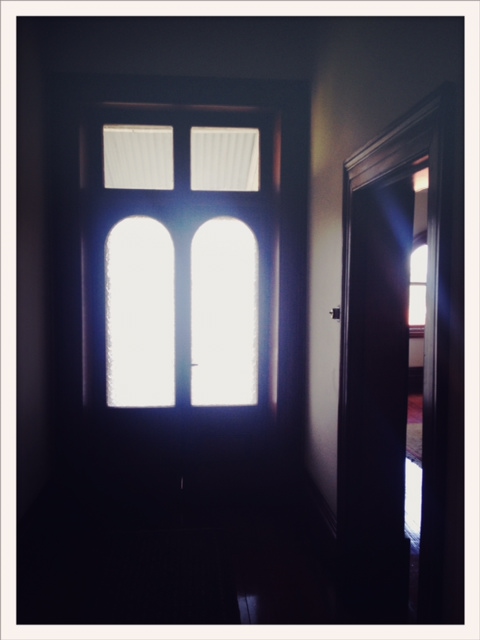
photo 5

Or we would drive out to the cool green waters of Howard Springs, a red-dirt slash deep in the jungle 35kms south of the city, and sink into a waterhole teeming with barramundi the size of small crocs that would brush up against our pimpled skin with lascivious delight.

Now? Like a sullen teen in a skin-tight dress and heels too high, Darwin is all show and no substance, her flesh exposed yet promising nothing. The Esplanade is off limits, save for a bikers’ meeting fringed with TRG (Territory Response Group, a tactical police division with a reputation that snarls). Howard Springs is barred to swimmers, a tacky playground for the kids where the fish look mournfully up sensible skirts. And the city skyline is cleaved in two by towering cranes that vibrate with the angry buzz of machinery from below.

photo 1 photo 2 photo 5

Darwin has its toes in the saltwater and its ears in the dirt. The nuances of its character have been forged by the tough-as-guts mentality of a people who thrive in this remote outback space, surrounded by water too dangerous to take a dip in, survivors of Japanese air raids during World War II and a cyclone that levelled the town in 1974 (Tracy, you bitch). They have a reputation for stoic understatement; “yip, it was blowy…”

656628-cyclone-tracy

Herald Sun

But the muscly brawls and stubbied banter I remember has been replaced. The Hotel Darwin was the victim of concrete cancer they say, though in a curious coincidence the demolition crew came in just 24 hours before the heritage order was slapped on her creaking frame, razing her to the ground to make way for a tourist village, which is, at its best, oxymoronic.

And the seditious lawlessness that holds hands so coyly with frontier towns the world over seems to have been cold shouldered, dropped in favour of cosmopolitan gated living and frozen yoghurt.

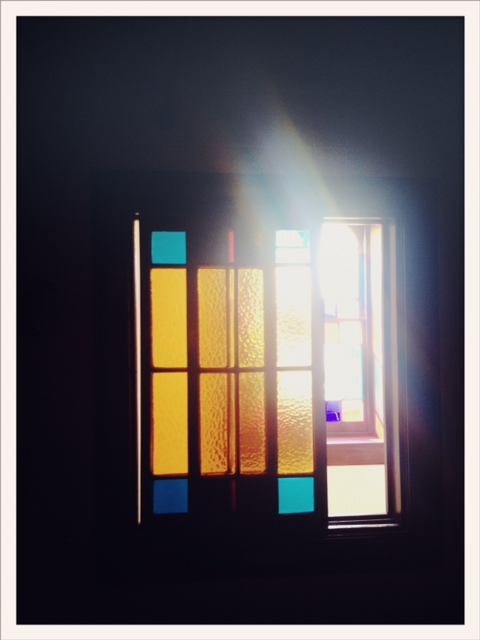
photo 4 photo 3

There is art beneath the cranes, and there are glimpses of the glory that is the tropics:

photo 1 photo 3 photo 2photo 3

There is tasty looking wildlife:

photo 5

and more art:

photo 2

But this brash young thing is all about the glitz and the glamour of her newest attractions, from the neon holler of the waterfront precinct – STEP RIGHT UP FOLKS, PLENTY TO SEE HERE! HURL YOURSELF INTO THE TREATED WATER! NO NASTIES! YES! WE HAVE FROZEN YOGHURT! AND A WAVE POOL! AND BANDY-LEGGED SECURITY WHO WILL ENSURE YOU ARE CONTAINED AND SOBER AT ALL TIMES! WHAT COULD BE BETTER? – with its metallic sand and murky depths, plastic tat and high-rise prices,

photo 5 photo 4 photo 3 photo 2

To her overly expressive signage, for those with little imagination I assume.

photo 3

Somethings remain steadfastly Territorian:

photo 4photo 2photo 5photo 5

And on a night out on the tiles the Cowboy and I glean more about Darwin’s botched facelift. A fella who does hair and his pretty Indo girl (fabulous hair) talk of excess, of salons across the Territory, Asian brides, fast lives and digging up Bagot Road just to use up the cash that is splashed around by the government.

Sipping genteelly from a fishbowl of lurid liquor, Damon explains that the Territory belongs to Canberra. It is wholly owned. So there’s little chance of a recession here, propped up as it is by the government, the military, tourism and mining. That also means no self-governance, but who needs that when there are rickshaws peddled by long-legged scantily-clad backpackers and late licenses and an armada of tacky hotels that breach the Esplanade like a badly steered invading fleet?

And really, who doesn’t like a gas mine off the coast, what with its dutiful employment record and killer profits?

At least Mindil Beach hasn’t changed much, with its smoky tang and bubbling lilt, the heady brew of a cosmopolitan society who still throng to watch the sunset over Fannie Bay:

photo 4 IMG_1088IMG_1162

And the sprinklers still work:

photo 3

There are moments that are ripe with the past – the girl with bi-polar and a sad story shares her chips beneath the whine of Baby Don’t Hurt Me; squaddies bail up a ringer in for a big one and shout him a night on the piss; Jesse, curled into a ball, sleeps beneath his ute, the healer in the back on guard; and an old fella invites us to go crabbing at Lee Point, “but mek sure youse brings plastic feet eh? Der’s crocs up der” – but mostly the city is concrete and steel, sapped of memory, its faded glory lost to the shadows cast by progress.

photo 5 photo 4 photo 3photo 1

photo 2photo 2

Heading inland, away from this flirtatious fringe with its skyscrapers and sun loungers, the sky reveals a ancient horizon. I can’t help but think that Darwin, with her blowsy revamp and hefty shopping allowance, has turned into a spoilt little rich girl, pearls dripping from freshly shot ears and diamonds on the souls of her shoes where once bare feet and a broad smile sufficed. More is the pity. 

photo 3

The road out of town

Proddy dogs and tormented souls

When the Tin Lid was tiny we would walk the boundaries of our world together, just me, him and his bawling insistence at life.

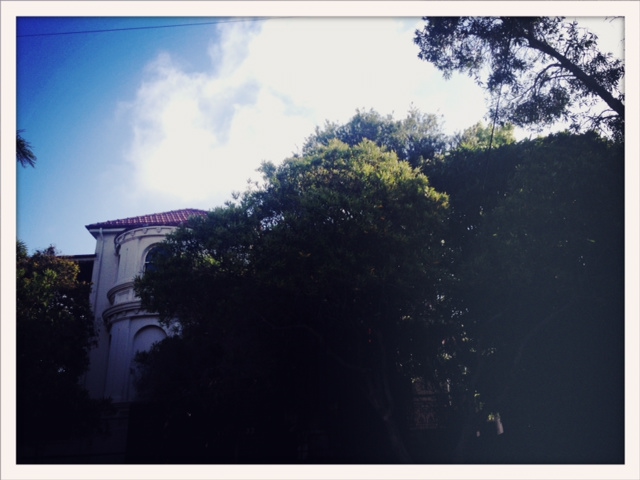
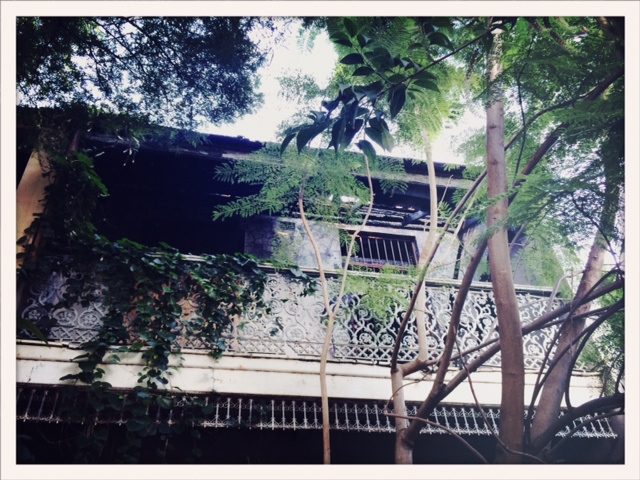
Number 22 Hillcrest Street would sometimes still his wailing. His scrunched-up eyelids would unfurl to reveal baby blues that gazed at the decaying gates that barely contained a jungly fervour. Whatever it was that stilled his fury I will never know, but perhaps it was the ghost of a nine-year-old girl whose name was Anne.

photo 2photo 2

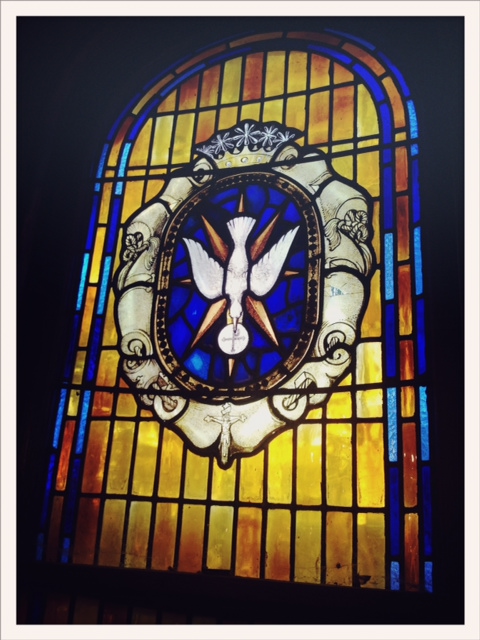
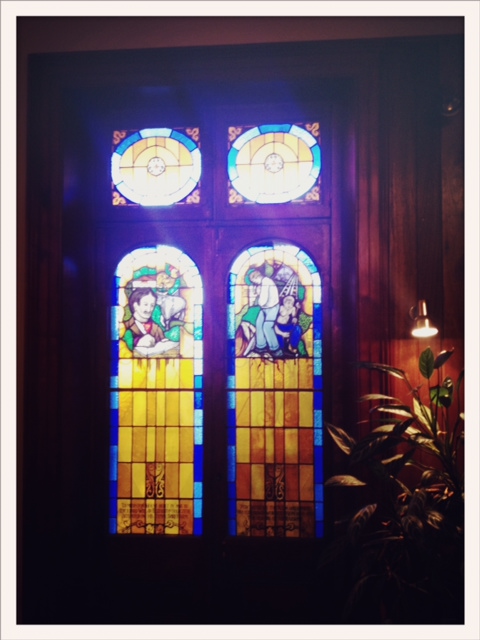
The daughter of Richard Way, who built Lymerston House as a family home in 1842/43, her memory is conserved in a window of the Anglican church at St Peters and still shines brightly on a cloudless day, a fitting memorial to a child of the light.

I don’t know how she died and I haven’t seen the window, but when I venture in to number 22 on an afternoon bearing shards of violent light from the belly of bruised clouds, something shifts curiously in the dusty innards of a once grand home.

photo 3photo 1photo 2

It’s a clearance auction, no reserves, no buyer’s premium, a lot sale flecked with post-it notes. And I am not alone despite a singular lack of other viewers.

photo 3

There is a stirring, an implacable sense of something else, a restless energy that whorls around me in curious curls of ether and sparkling light. It is at odds with the dour consecration that weighs heavily on the building; of the eight bedrooms, four bathrooms, large kitchen, formal dining room, anterooms and more, the star of the show is the inner chapel, which gives the property its bulbous Anglican nose and crystalline showers of light.

photo 1photo 2photo 3photo 4

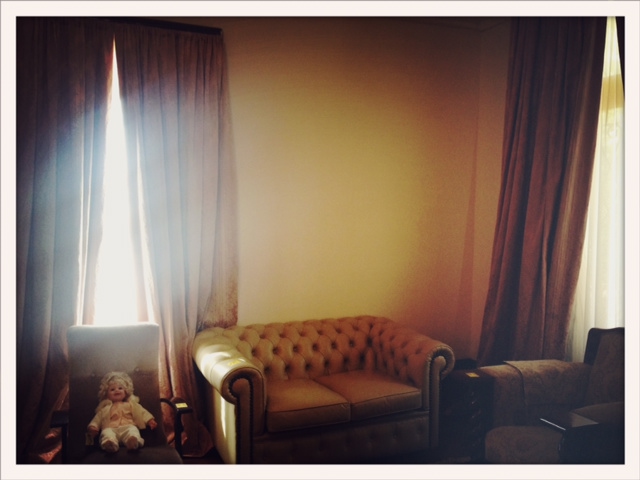
Moribund velvet sags over furniture from the yard sale of life, representative of every era and redolent of guest house giveaways. Scratchy lace curtains twitch nosily at the outside world, rubbing up against etched glass and flaking paint complete with sticky fingerprints. It doesn’t take much to imagine the curious eyes that peered from here…

photo 1photo 4photo 3photo 5

A woman sidles up to me as I am clocking the world below:

They used to call out ‘proddy dogs!’ to us whenever we walked past”,

she whispers. Who? I enquire…

“Them bloody tykes, that’s who. Never did like ’em. Used to stand right where you’re standing and shout out the window at us in our school uniforms till the nuns dragged ’em away, scolding ’em at the top of their voices, screeching really.”

Utterly confused, I ask the proddy dog if she will elaborate. It turns out after Richard Way died in 1872, the staunchly Anglican Lymerston House was acquired first by the government to house rail workers as the rail line was built, and then by the Sisters of Mercy, a catholic order that is defined by its enduring allegiance to Catherine McAuley, the first merciful sister.

And God no doubt.

They also ran the convent as a catholic school while Tempe High was being built.

photo 1photo 3

No less confused, I wander off to unravel the tangled thread of history that weaves its way through this sighing place. Being secular in nature I am not sure if the iconography I see is of one team or the others:

photo 3photo 2photo 1

And some is perhaps of a more domestic ilk:

photo 2 photo 1photo 3

Needless to say, it is not the trappings of tortured/ saved souls that intrigues me but the light that shafts through the space like a rapier, dancing and vibrating with glee.

photo 2photo 4photo 5photo 1

It is a dream-like phantasmagoria of ephemeral form, flitting and quivering around my every movement. It adds a warmth and humour to the stern austerity that resides here still, as if giggling at the premise that the house could be anything but a playground for a child.

photo 5photo 4photo 1photo 1photo 2photo 3

In 1982 Lymerston House was purchased again and reborn as the Kriskindl Residential Education Centre and Guest House. There is no information as to the teachings of the residential education centre but the reviews of the guest house are illuminating:

“There were notices everywhere warning guests that infringement of rules would necessitate a fine. Warning signs were also posted to the effect that residents in various rooms were on night shift and guests were to be quiet. It was then we realised that this was not a guest house in our understanding but a hostel which housed permanent guests as well as taking in the budget traveller. The permanent guests were a dour lot and obviously did not take kindly to the temporary guests.”


“I called the owner and picked me up on time and warmly welcomed me. The difference, he is a good christian. I like the environment, affordable for those that can not afford luxury. Basics provided.”
http://www.tripadvisor.com.au/

Described variously as ‘bleak’, ‘honest’, ‘unrelenting’ and ‘frankly terrifying’, Kriskindl did little to live up to its Secret Santa moniker, though I suspect there was hidden meaning in its religious symbology. It certainly explains the untethered furniture, shuffling off its mortal coil one spring at a time, and darkened corners crammed with hoover parts and plastic cups.

But nothing explains the ghostly presence that is following me cheerfully. My mind tells me it is a trick of the light but deep within me I recognise the soul of a child who playfully tugs at my conscience.

photo 3 photo 2photo 2photo 4photo 5photo 5

An Anglican home converted into a convent before housing the weary beneath the moniker of Christ’s child (Chriskind is the German for Christ-child and the likely origin of Kriskindl), Lymerston House has played many parts, but my money’s on the playground for a little girl whose life was cut short but whose spirit plays on.

photo 4photo 5photo 2photo 4

See you around Anne Way.

photo 5

Another one bites the dust

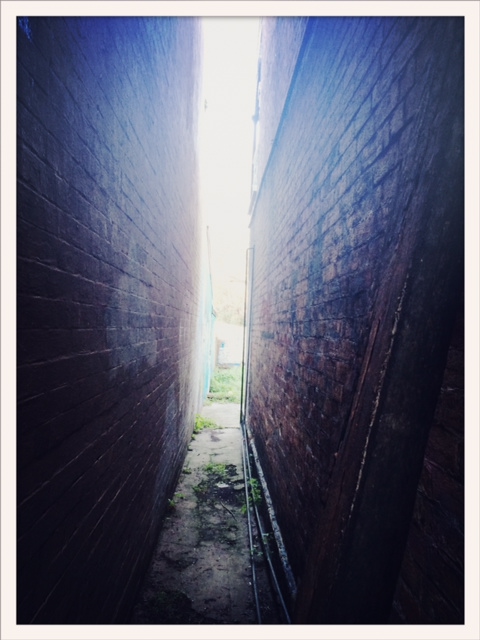
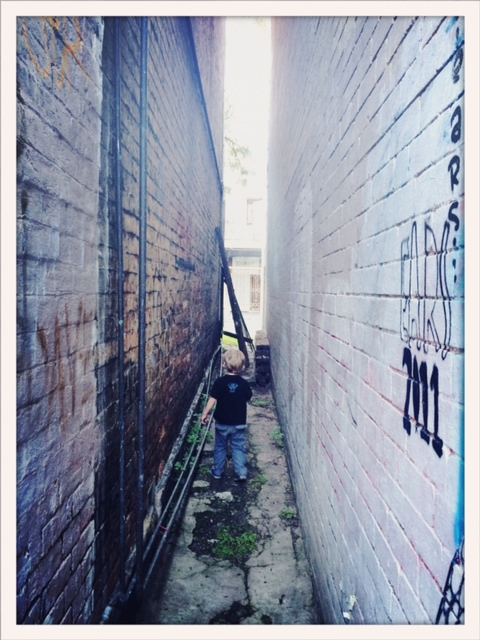
It was the Tin Lid who found the passageway, cowering behind a pile of poles, neglected and long unknown. It is the  green mile for a old girl losing herself to the times, a concrete snicket snuck between towering walls dank and abandoned. We ducked beneath meaty railway sleepers stacked and forgotten, over rusted manholes and between discarded shards of life…

photo 5

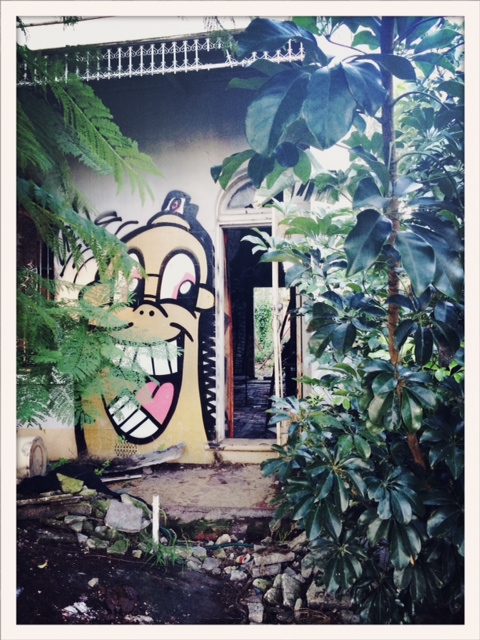
What we found was the relic of a memory, the fading glow of nostalgia dispersing softly into empty air, no-one to hear. I don’t know who once lived here, though I can guess at the sound of ready laughter, the scent of rollies and nag champa and cheap snags, the clink of toothbrush mugs brimming with Fruity Lexia and the rabble of joy at the end of a long night on King Street.

photo 4photo 3photo 2photo 1

I can taste the stolen lust of a pool-room hook-up, the splash of pizza grease on a tatty sleeve that gets you through till lunch, and grazing for food at Newtown’s happy hour haunts. I can hear the opening strains to the midday movie, the slam and rattle of a favourite track and the crinkle of hot water hitting instant coffee.

photo 1photo 2photo 1photo 5

I remember lost afternoons adrift in a sea of marigold green, limpid skies that stretch to forever, and long nights of venal delight roaming in packs along wholly owned streets and in bars that bawl and titter with conspiratorial vim.

photo 4photo 2

And I sense the familiarity, that innate understanding that life can wait – there’s living to be done.

photo 1

In the fading breath of a dying life the ghosts of the past are ripe. Fat veins of memory pulse with propriety while the deeper recesses crank out serotonin-laced recollection, hazy chapters with happy endings. Words clatter into my mind, sodden with the past: the Oxford and its sticky carpet; a snort of tequila from the depths of the gutter; a pride of marchers howling righteous discontent; a velour sofa, home to a family of four on a summer’s night. Light spilling from open doorways, no need for an invitation; sprawling across a robber’s grave drinking in the moonlight that blankets the cemetery; a vigil beneath I Have a Dream

photo 4

Those days are gone my son…

photo 5photo 4

And the remembered corners of the city will be sold to the highest bidder, reams of DA notices papering over the folds of history.

photo 3photo 1

The former glory of this happy realm lies dormant, waiting for its next incarnation, “prime commercial units that front a nineteen-unit four-storey build” like a gap-toothed wallflower dreading the slow songs.

photo 5photo 4photo 2

Show’s over folks, the fat lady has sung.


The last resort

Scabby-kneed little sister of the cheap hotel, the motel is generally a masterpiece in peeling paint, clogged sinks, cigarette-burned nylon bed covers and cat-sized roaches.

Cast in the pall of a flickering neon light, with seedy characters skulking in corners, motels wear their atmosphere like a moth-eaten velour death shroud – horror, crime, sex, violence, losers, misfits and hapless humour stains of life in a rundown joint that time has forgotten.

It is the scene for lusty teens charging experimental fumblings to their parent’s credit card and hapless hookers leading their johns back to fake pine laminate and a buzzing lightbulb; it can be the tatty home of resolute despair, a dank weariness infecting all who sleep there. Perhaps even the last resort.

7170

Tip-top spot to take the Tin Lid then.

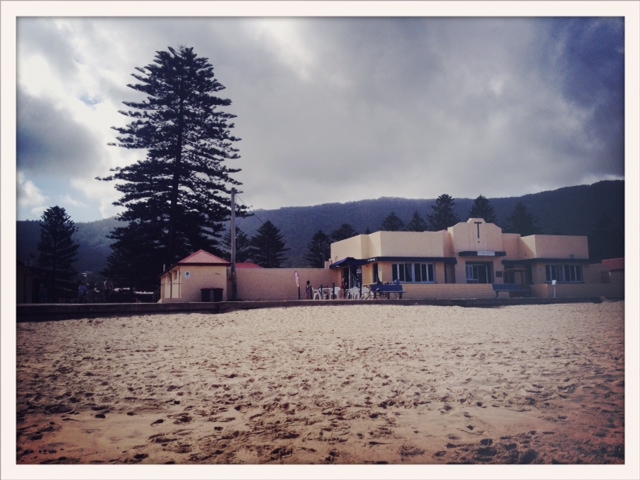
Decked out in trakky daks and sun hats, boardies, rashies, a smear of zinc and a stash of sunnies in varying degrees of able-bodiedness, we hit Thirroul, a lazy stretch of surf just south of the Royal National Park between Austinmer and Bulli, and its infamous beach motel. Once known as the Oral Eagle Motel (though why is unknown), the joint is the last resting place of Brett Whiteley, who slipped from this mortal realm in the smooth yet unrelenting grip of a heroin overdose on 15 June 1992, aged 53.

photo (17)

Much was reported at the time:

 His squalid death in room four of the Beach Hotel

The coroner’s verdict was ‘death due to self-administered substances’

But this is my favourite – it seems to say so much more than the others, that perhaps the end was well-flavoured:

On the bedside table is a near-empty bottle of Lang’s Supreme Whiskey…

And as luck would have it, we are in room four. There are no ghosts. No Lang’s Supreme by the bed. Just some unprepossessing art and ‘contemporary’ finishes. I take a picture of a picture of a 4WD raging up a beach for the Cowboy, deep in the knowledge he will appreciate this.

photo 3

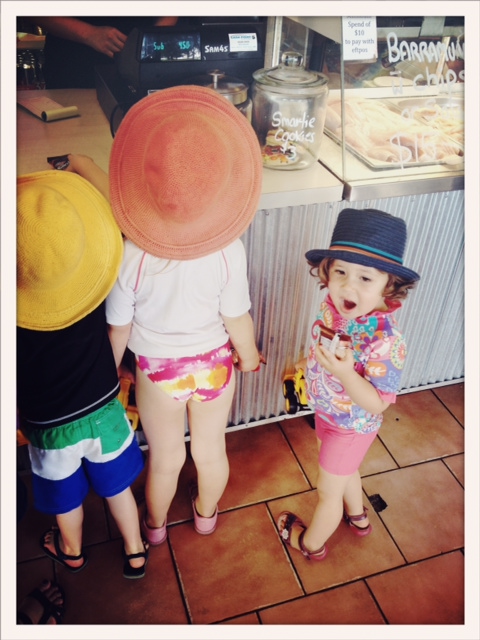
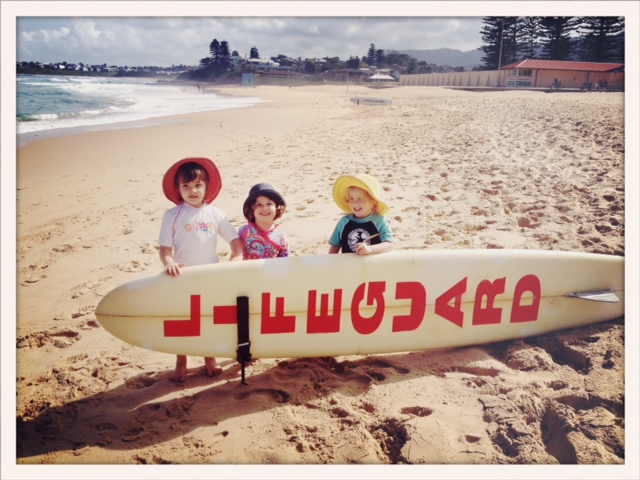
And then we hit the sand in a flurry of small feet, the Tin Lid joined for the jaunt by his besties, two dark-haired beauties whose sisterly bond has stretched to include him. There is a requirement for chocolate Paddle Pops, accompanied by deep sighs of patient waiting:

74

The crackling, squeaking sand shifts with impatience, enticing us down to the edge, where the world falls away in a plume of spray.

676964

Slung between the steep foothills of the Illawarra Escarpment and the surging Pacific, Thirroul is an exposed beach and reef break shafted with rips and thumpingly reliable surf. It also has rocks, sharks and bluebottles, quicksand, drop-offs and a pool-pipe outlet. 

42

The Tin Lids play safe, back from the edge, happy to watch mobs of neon-suited surf lifesavers cresting waves in rubber duckies, exhilaration foaming in their wake, and the laden bulk of a container ship as it hauls itself towards a distant horizon.

5956

The beach is a glorious indictment of Australiana, rich in a raw pride that is wreathed in a sense of weathered gratitude. An old fella sits up from his sandy slumber and calls out to the Tin Lids: “Youse ‘aven a good time kids? Good beach ‘eh? You tell ’em, come to Thirroul, it’s a good place. Right?”

Flocks of gulls soar and dive, stiffening less-than-hot chips their object of affection. The lazy M-A-T-E  M-A-T-E of their call to arms hangs in the air, feathers drifting on the breeze like snow. Miss Woo points out that the seagulls are not listening to her. The Tin Lid replies, “that’s ‘cos they don’t have ears…”

m l14

But best of all, the southern end of the sands are home to this:

47

and this:

44

and these:

ie

Rusting into dereliction, flakes of iron burnt black by the tide, the pipes strain to be free of the pastel pumphouse that stands sentinel over craggy rocks. Like aging arteries, the pipes funnel water, that clangs impatiently at its enforcement, to and fro from the ocean to the pool, a salty circulatory system that booms and hisses like a caged beast.

c b a

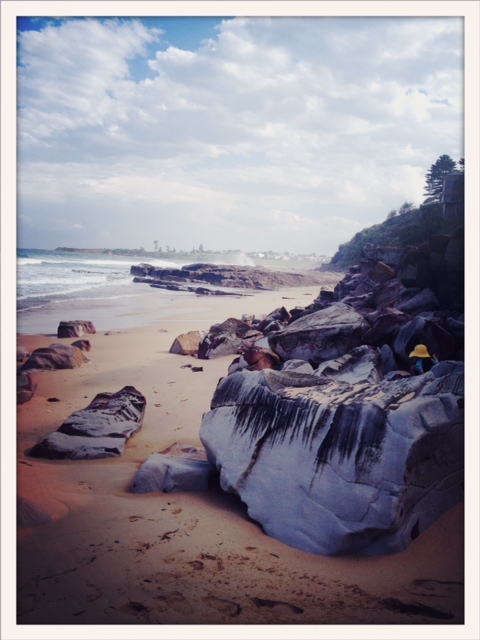
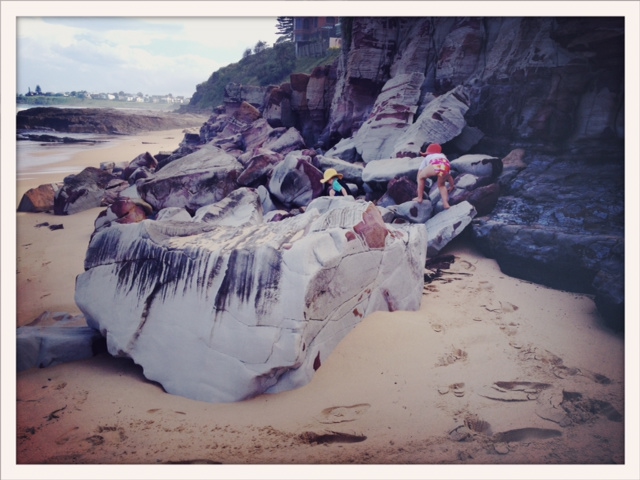
But it is the striated rocks, striped with ochre, that hold magic for the little people, an adventure waiting to happen. Bottle tops, nets, sand crabs and bailer twine, stones, sticks, shells and sand are soon treasure to be claimed and bartered, the highest rocky pinnacles a crows nest that gazes out to a stormy sea full of marauding pirates…

It takes some time to entice them from their realm…

But promises of hot chips of icy cold lemonade sift through the myopia, and the tribe are on the move again, hot-footing it up a cooling beach, long shadows damp underfoot.

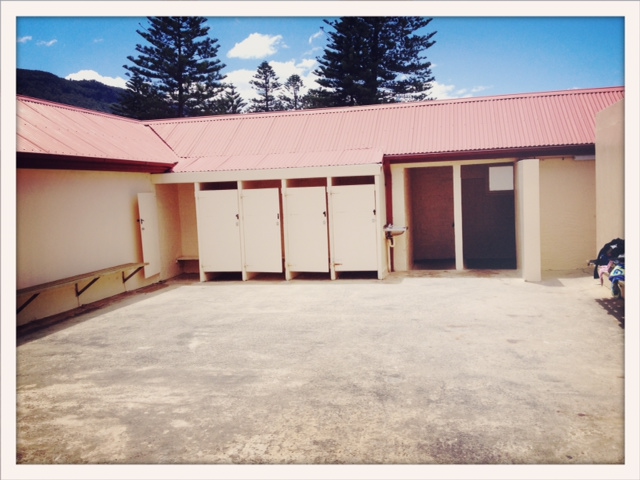
In changing rooms that sigh nostalgically of the past, wet swimmers slap on the floor and hot-chip eating attire is shrugged on over wet shoulders.

1911

And after a cursory glance at the ocean pool, a still-life in dappled light, we hit the street with sun-tight skin.

36

403433

The pub is mottled in neon candy – screeching peach, lime soda and acid lemon float around perma-tanned bodies atop towering heels that stab the worn boards with staccato precision. It’s a girls’ night out, stiff with perfume and high-pitched crescendo. The surfers are looking up though, faces bright with anticipation of the chase…

But sated at last, the little people are finally in need of a little motel dreaming, so we weave our way past an eclectic rabble of consumerism, including these little gems:

vu3129

The Tin Lid’s Nana remembers Thirroul in 1945, a day-tripper’s delight; “bowling down the Bulli Pass in a ’39 Chev with seven people, picnic baskets, blankets, soggy salad sarnies and homemade ginger beer that popped in the bag in the boot”.

His memories will be of the motel, with its sachets of sauce, sprinkles of sugar in a pushed-together bed and jam sandwiches in the middle of the night. Of waking to find his mother slouched out the front of the darkened room, sipping a glass of blood-red wine on the forecourt. Of sand in the shower, a bright-eyed dawn and hot concrete.

t

With my back to the still-warm wall of room four, the Beach Motel gives me a deep sense of comfort as it cradles my boy back to sleep. Its retro facade and lurid tales lend a sense of the macabre, of a joint that time forgot. But time is here; it is languid and slow, and stretched gossamer thin as the light dies.

q

RIP Mr Whiteley.

A glory of women

In need of a little respite, the kind you can’t find at the bottom of a bottle of red, I find myself flip-flopping tired feet to the women’s baths at Coogee.

photo 8

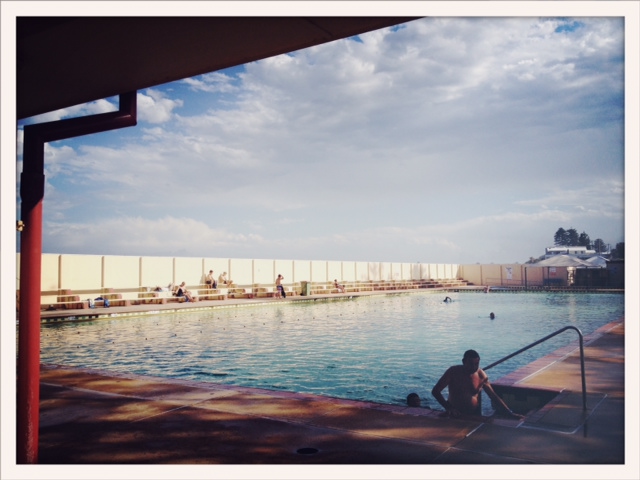
A place so imbued with peace it remains shrouded in the echoey corners of your mind when you need it most, McIver’s Baths are a sacred watery idyll brimming with 50s kitsch queens, burgeoning bellies ripe with new life, the spiced lilt of Arabic as it curls through salty air and sun-baked skin.

photo 4photo 4

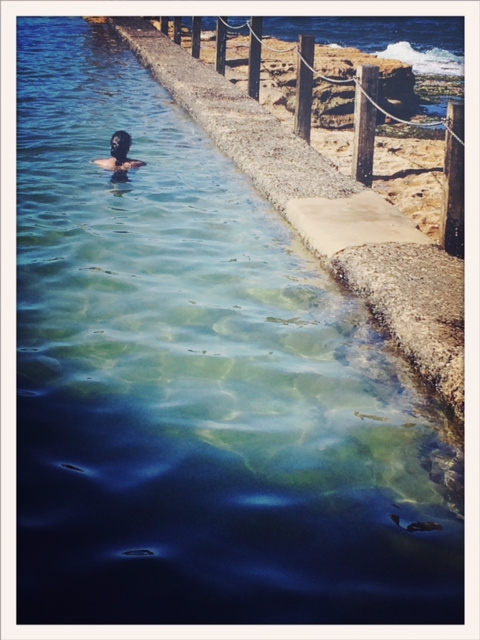
Clinging to a scarred eyrie – part cliff face, part rocky outpost smack between Coogee Beach and the nautical striped awnings of Wylies Baths – and a one-time traditional bathing place for Indigenous women, McIver’s is the last women’s-only seawater pool left in Australia.

Elizabeth Dobbie Sydney Morning Herald

Elizabeth Dobbie
Sydney Morning Herald

Built in 1886 the baths have soothed the souls of countless women, from those who come to worship the dawn to decked-out day-trippers pulling a sickie, and those of us who need a gasp of ocean rehabilitation, to fill our lungs until they ache and sink our minds into cool salty depths.

photo 5photo 5

Squalls of kids (under 13 if they are boys) frolic in the limpid shallows as matriarchs motor past under full sail, their destination a slow and steady 20 lengths. Woman bask on the rock walls, glistening with sea water and contentment. Rogue waves courtesy of a king tide sidle up and boom into the pool eliciting squeals of joy or a tut of annoyance, and the scents of tobacco and coconut, perfume, salt and the fine dust of Lily of the Valley talc mingle deliciously.

A luxurious flock migrate to this sanctuary, their chatter echoing along the rock walls and slinking to the surf. A clatter of nonnas sit playing cards at the entrance, tasty pastry chocking up their elbows; a bearded lady preens herself, splayed in her nudity; a sisterhood of shrouded beauties quickly divest themselves of their sheltering, flicking long, dark hair in anticipation of the cool, safe depths; and a zealous snorkeler, hiking boots slung over a purposeful shoulder strips down commando style. 

photo 1photo 2

The swells and curves of the female form are many and varied, a nubile tribe unfettered by responsibility and care, though there is much in evidence. The pool mirrors their form, an extended limb of land curls around the soft swell of a rock belly that is caressed by the ocean. On the flat caramel rock shelf, pockmarked by time and sluiced by the ocean, women lounge like carnival seals, splashes of vermillion, indigo and pearl and the smooth hairless planes of their bodies lending an exotic melee to this ancient coastline.

photo 5photo 3photo 1

They share their roost with time and tradition, Amphitrite‘s pool long considered a sacred space. Originally it may have been a bogey (swimming) hole or Aboriginal fish trap and it is believed that the colonial population of the greater Sydney region followed established Aboriginal practices of segregated bathing at Coogee when they developed male and female-only baths.

I can’t help but wonder what the Indigenous dreaming is here. What is evident is that for each and every woman or child who finds their way to the baths, it is the realisation of a personal dream, be it a slice of space or time, deep peace or raucous chatter, a ritual unveiling, shared stories, communal food, a sisterhood, motherhood, childhood or absolution and healing.

photo 1photo 4photo 2photo 1photo 5

The baths are named after Robert and Rose McIver, who began operating them in 1918 and developed them into the form they are today after their young daughter was not permitted into the men’s club down the road.

With Mina Wylie, Bella O’Keefe and other swimming legends, Rose McIver established the Randwick and Coogee Ladies Amateur Swimming Club in 1923 and to this day the club operates the baths and maintains their exemption from the 1995 NSW Anti-Discrimination Act.

photo 9

Overlooking Wedding Cake Island and the stretch of the coast as it winds south, the baths are a glorious exemption to the helter-skelter pace of contemporary life. It costs just 20c to enter and patrons are trusted to chuck the shiny silver into a plastic bin. There is no kiosk, no vending machine and no hot water. What there is is a library of books and a lifetime of stories, a grassy slope, sunbaked rocks and the rhythmic swell of the ocean.

photo (16)

The straining of time is taught across a toned and trim reality here, a too-tight waistband, courtesy of gentle indulgence, that snags and worries. The generations slide into each other – a gentle word here, a friendly smile there – and you can almost believe the world is standing still, patiently waiting for you to jump back in, slick, salty and alive.

photo 5


Lollapalooza

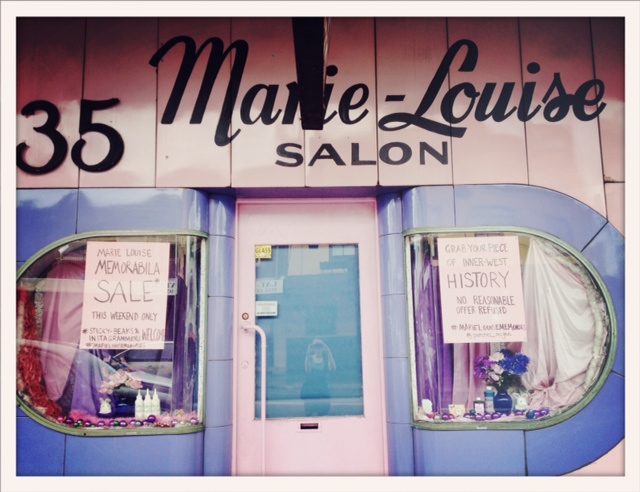
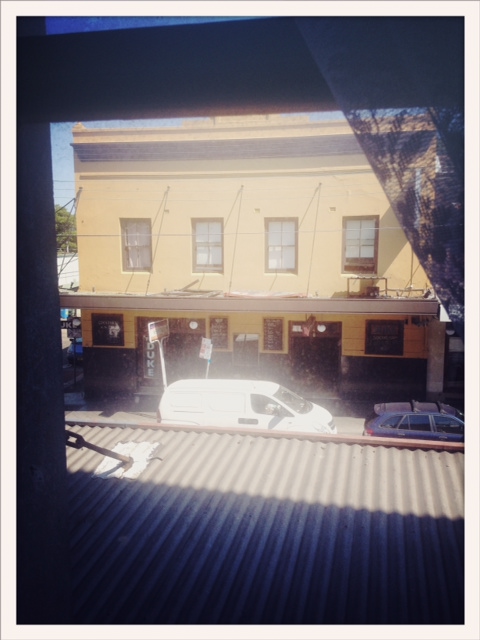
I have often wondered, gazing at the last vestiges of retro kitsch straddling Enmore Road, just what the story was behind Marie Louise’s salon, its tin-pressed lilac and candy-pink front a beguiling enticement to pressed-nose window-gazing.

z

Turns out, its a lollapalooza, a tale that ties itself into pretty bows and tangles of twine to hold up wayward pants slung low on skinny hips. It’s a story of spirit – of strength of character; of ghostly ephemera that quiver in shafts of light; and rum, knocked back with a grizzle on a cold night.

Shrouded in legacy and sticky dust, time has stood still for this 50s beauty queen, a landmark for the retro, vintage and rockabilly subculture of the inner west. An accidental museum, while the doors were closed and the shop shut the window display was occasionally tweaked, a foil wig added, a chintzy ornament repositioned, all by an invisible hand.

t

So, needless to say, when the doors opened for two days, “stickybeaks and instagrammers welcome”, my usual view was reversed

14

and I gazed curiously back at myself.

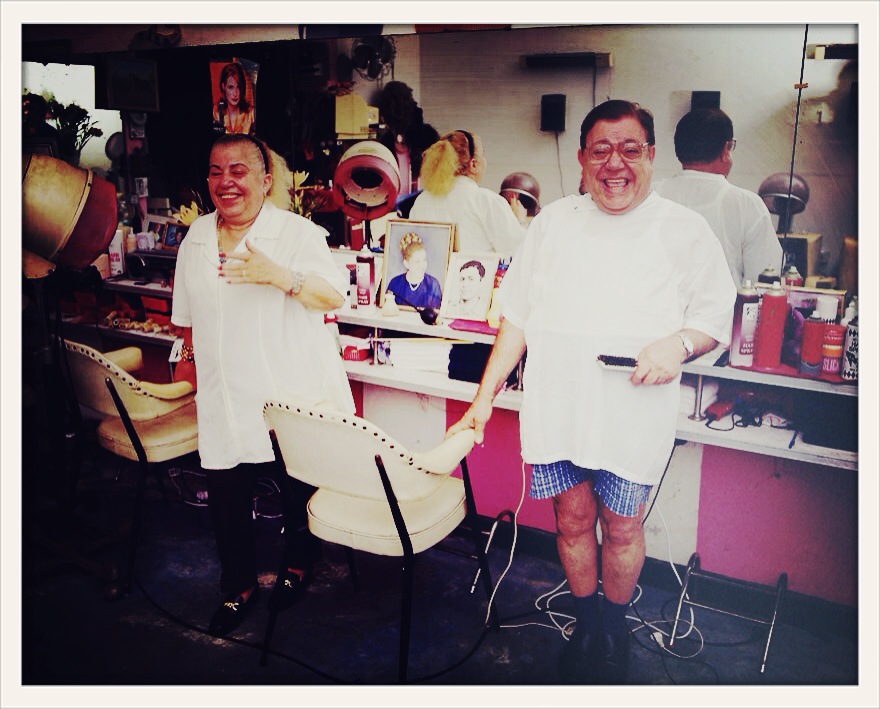
The Marie Louise salon was run by siblings, Nola and George Mezher, who started working in the salon in the late 1950s. Both were hairdressers and became public figures in the early 1980s with their almost half-million-dollar Lotto win, their lucky numbers the Saints’ birthdays.

Michael Amodelia Photography

Michael Amendolia Photography

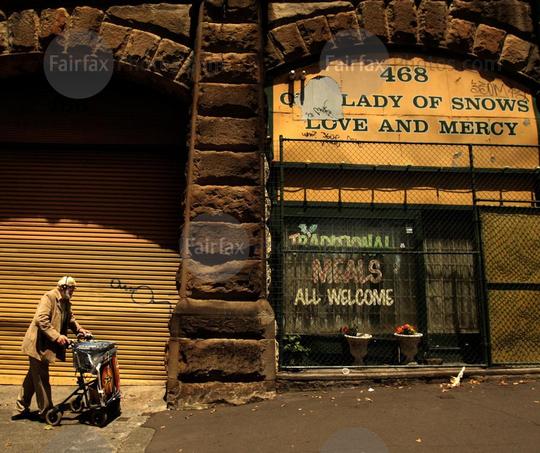
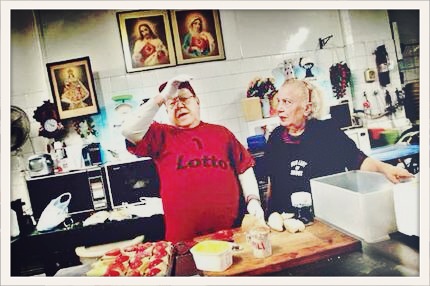
George and Nola used their money to set up the Our Lady of Snows on the corner of Pitt Street and Eddy Avenue, on the fringe of Belmore Park in the city, a refuge for a straggly mass of lost souls, and a soup kitchen with table service. They divided their time between the salon and cooking, serving, shopping and cleaning for Our Lady. Well, their lady really, and the beloved lady of hundreds of Sydney’s homeless community.

Fairfax Media

Fairfax Media

x

Dishing it up

Nola died in 2009, and since then George has tended the window display. Until now. Today it’s all for sale, a dollar here, a dollar there. I wish I knew if George was OK with this dismantling of his work, enamoured hands clutching at relics of the past to be cherished long into the future. I also wonder where George is.

Back in the day, live models perched in the bug-eyed window seats, chugging plonk and smoking durries. A rabble of grannies smeared in Fanci-full rinse hooted with delight at gossip that writhed and squirmed in its own deliciousness, while the acrid scent of perm solution, hairspray and hot air would accost passers-by in an exotic fug, chemical warfare in slingbacks.

photo 2g

8i

Today, the only thing missing are the customers, replaced by wide-eyed hipsters, dreamers of dreams and urban scavengers, all curiously quiet in this one-time den of raucous insalubrity. And while the stickybeaks stream through the doors to glimpse this cornucopia of kitsch sentimentality it is upstairs and out the back that I find treasure.

c13

Light streams into the space causing the shadows to sigh and slide. It gives the impression of being watched, a curious trick of illumination in a space long dark. Dust mites sprinkle the air, shafts of sunlight catch on insipid remains, and scraps of a lost life twinkle deliriously in their revelation.

eb

In mulish contrast to the frenetic wonderland of the salon, the living quarters remain stark and simple, a utilitarian space with little adornment save for the light, the hero of the show… (and a dedication to pastel hues)

lja19

In the steeped quiet of this solitary space I can taste the resigned loneliness that coats the walls and floor. Windows are lid-less eyes that peer myopically into an unknown world that canters ahead and unseats this old rider, leaving him legs akimbo and alone.

16

1810

I don’t know when these walls lost their people: the bed is a little rumpled and the phone directory is open on a pizza joint that no longer exists. There is post from a couple of years ago and a mobile phone cover that cost $4.99 from Paddy’s.

But in this empty space George’s spirit courses through the air, surfing waves of light. Wherever he is, today he and Nola are remembered.

n12

In 1983, George and Nola were awarded the Order of Australia for their services to the community, after establishing 14 suburban refuges throughout Sydney. Their dedication to others was astounding – a way of giving back to a country that had been good to them they said.

Clutching three lolly-bright 50s melamine ice-cream dishes as if they might be ripped from my grip at any second by a rabid collector or a counter-culture revolutionary intent on wearing them as earrings, I cannot shake the feeling that Nola and George are watching on benevolently, seeing their generosity appreciated even in their absence.

k11

To George and Nola: thank you.

Fishos

Kyeemagh is an Aboriginal name meaning ‘beautiful dawn’. Thing is, by the time the Tin Lid and I cruise down in the Holden the dawn has long legged it, replaced by a scowling, irritated howler of a day, spring in name only.

CrossProcessed Photo

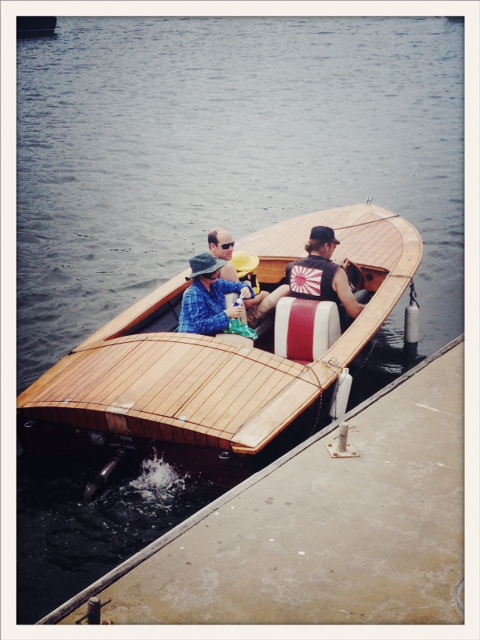
Scorched winds shake the beast, rustling the duco and unnerving the driver, whose hair tangles in the slipstream that burls through the car from five gaping windows. The Tin Lid is staunch in his acceptance of the five horsemen of the apocalypse and their climate-born reign of terror, happy to keep filing forward into the maelstrom in search of The Boat.

It is all about The Boat. His first time at sea; the Cowboy’s first-time first mate and chief bottle-washer. We had sparkling plans that dripped with flat-calm azure seas, a light breeze and palm fronds, open waters and sandy bays. But they are fresh victims of a gale that scours the seas, whipping up sand and spray 500m on shore.

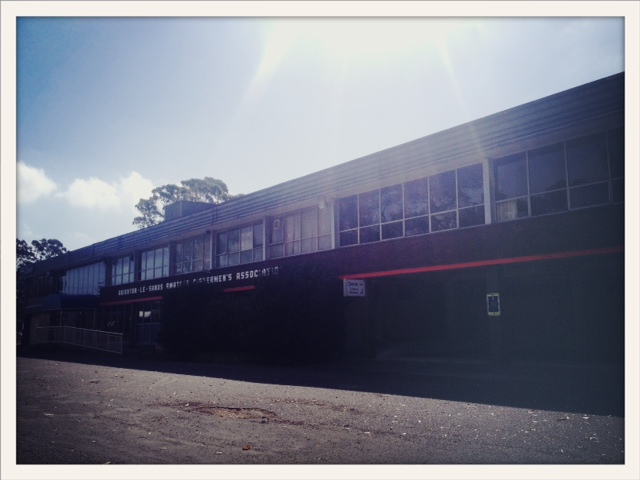
So we find ourselves at Muddy Creek, a shuffle-up of dirty water that snakes lazily along the borders of Kyeemagh and Banksia, beneath the roaring bellies of outbound jets. The Brighton-Le-Sands Amateur Fisherman’s Association is the landmark, the bit we all know for its flash 80s signage:

photo 30

photo 15

It is morose, tired and locked-up tight, a moment caught in time. Notices flap angrily on a squat Besser-brick block, Foreclosed; Until Further Notice; Member’s Only. There is grit in the air, and the putrefying stench of mangroves and diesel. The water is slack, slick with oil and barely supporting its wallowing clinkers…

photo (7)photo 19

But the distance has captured The Boat and the Tin Lid has begun an animalistic wail that is stoppered only when he is delivered into the clutch of his mariner crew:

photo 24

photo (8)

As they motor into the tempest with only seedless grapes and ginger beer I wonder idly if a broad-brim-hatted three-year-old could tip the delicate balance in high seas, but am soon distracted by the bones of what was Fishos, one-time thriving cultural hub, albeit with slight scent of fish…

photo 29

Empty-eyed and retired, she is like a salty run aground forever, sadly listing back into the creek, silent but for the clack clack of tip turkeys as they squabble over the debris. 

photo 14

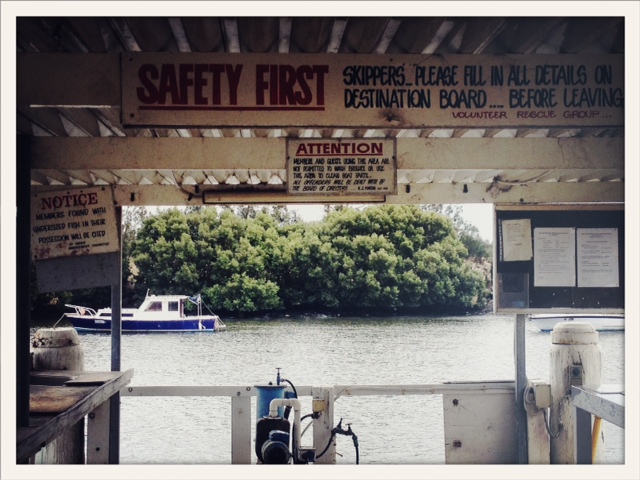
The boat yard sprouts a little more life, but is the preserve of a wily few with hard-clung-to keys for shiny padlocks that cluster like haemorrhoids around a rusting chain-link fence. And there are signs in abundance, manifestos for the suburban trailer-sailors:

photo 3photo 4

A chalkboard with a nub of chalk dangling from a strand of twine, its blurry scrawl almost illegible, belies the sense of community it inspires. It is a trip log, where each and every skipper signs-out on departure. If they fail to sign-in on their return it is assumed they are in difficulty on the water and require assistance, and someone will head out to find them.

Of course, this premise relies on any number of factors; that the skipper remembers to sign back in, that the chalkboard isn’t wiped clean by onshore gusts of ocean, and that visiting 50s speedboats reliant solely on broad-brim-hatted children and ginger beer have seen this board and added themselves to it. Oh, and that there is someone there to read it…

photo 5

TS Sirius, a utilitarian bunker that adjoins the boatyard offers a skerrick of solace – an Australian Navy Cadet unit right here! Perfect for open-water rescues in cyclonic conditions, reliable, big-boated and undeniably attractive in uniform – but the concrete is moth-eaten, honeycombed out by time. There is no epaulette’d admiral barking orders here, no swarm of sailors to save the day.

photo 20photo 22

The best I can hope for is a bloke in a tinny, back from an afternoon’s squid fishing, who seems interested only in the sinks:

photo 2

In this incongruous place, a concrete wasteland, forgotten yet not forgiven, it seems strange to smell the ripe aromatic tang of oriental greens, yet out the back, beyond a playground that may or may not have been imported from Soviet Russia during the Cold War, is a lush emerald ocean, conical hats bobbing in it like buoys:

photo 21

Bok choy, choy sum, on choy and Chinese broccoli vie for light, fat with water and love. The scent of coriander, parsley and mint make my mouth water, despite the festering mangroves, and the rich alluvial soil crumbles seductively beneath my toes. It is no stretch to imagine Muddy Creek as it once was, teeming with life, unencumbered by industrial decay and the social stoush endemic in the economic collapse and involuntary administration of community organisations.

Yet, in this moribund place caught in the thrall of an angry sou’easter, there is a moment of bright, bright joy –  it is written on the face of the Tin Lid as he returns from his first time on the high seas.

photo 25

photo 8

Perhaps this is the ‘beautiful dawn’ Kyeemagh whispers of?

Old bones

The Secretary, in a well-considered manner, grabs a knife and stabs efficiently at an entirely innocent map: “We shall go here. Now”; the edict comes down. The paper tears into a tiny fold, its edges frayed and flapping, and for a moment I think she means Punchbowl. Summoning the courage to tell her we have already been there and her head must be leaking, I realise its the fold – its swallowed Campsie whole.

Like a flap of skin jammed beneath meaty thighs and sticky with the sweat of close proximity, Campsie is tucked conspiratorially between Belmore and Ashbury, Clemton Park and Harcourt (the suburb that died).

Strange streets that seem banished from my map are flighty creatures that wriggle and stop without warning. Lead skies shroud a greyed-out afternoon, while the screech of the Holden’s fan-belt makes my eyelid tick impatiently and I begin to wonder if this inner western shadow actually exists.

The internet says it does, though every What to do in Campsie inquiry directs the viewer to a skeletal line-up of Korean BBQ joints, chicken shops and Cake World. Apparently this little slice of suburban life also features heavily on the National Public Toilet Map.

8

The heart of Campsie looks like an Asian strip mall, albeit under temperate skies without the tiniest dash of humidity. It lacks, however, the notorious smell and sound of the subcontinent, a place that guzzles expectation before burping languorously and leaving an aftertaste of exotic chaos that will never be fully digested.

Here, life is more prosaic. Beamish Street chunters through the middle, a teeming mess of life: I can just imagine the ad hoardings glistening like gems in bright sun, but today the asphalt absorbs light in gloomy resignation:

IMG_5218IMG_5215

Cheap phone joints bawl and titter, knock-off shops pander to the plastic senses and signs talk in tongues, cursive updrafts of Hindi and Arabic shouted down by rapid-fire Hanzi and the Altaic Korean script. They brag of bibimap and kimchi, toum, black cumin and MSG:

IMG_5201

IMG_5171IMG_5169

As if compensating for the ominous lack of bright light, savage hits of fluorescent colour spark on the back of my retinas with gaudy promises of brooms and plastic blooms,

IMG_5224IMG_5233

a pink-stripped butcher and Snow Monkey, of which I have nothing to report as I have no idea what it is, though Weekend Notes exclaim it is a ‘thing to do’ in Campsie:

IMG_5225IMG_5209

Warming pink aside, in a floodlit mall gilded in concrete and pebble-dash, knecking teens emit warning pulses of “WTF do you want?” Contemptuous eyes and lip-locked mouths snarl a warning: “This is our piss-stained stairwell”.

And from a rough-as-guts pub, garish bastion of the corner, a clutch of greased mechanics drink with a crew of council workers. They stare menacingly at our snail’s pace along the street.

Their corner, their fight, right? Swill-time has started early and they are ready to brawl.

IMG_5189

We seek sanctuary in Denoy’s, a barber’s shop from the past that has a new lease on life. Repurposed as an old timers’ card palace, Denoy’s is flooded with jocular warmth and filled with the scent of cardamom and coffee and unfiltered cigs.

IMG_5194

A grey-haired grandfather strolls over; “Please, you come in, see for yourselves? You wanna play cards? You wanna coffee?” I ask how the men know each other and he replies,

“As you get older you fight with your wife. This place here? It gives us something to do, some place to be. We play cards, we drink coffee, we smoke. It’s good, you know?”

There are cosy pockets of the past here, jostled between the pings of a non-stop-can’t-put-it-down-must-have-it consumerism. Denoy’s is just the first hint. Across the road, Wally & Ossie’s pizza joint warbles a siren song of foot-long garlic bread and Chianti from the ’70s.

IMG_5186

And Bruno and Marian’s is a picture of retro cool, flecked with nostalgia,

IMG_5202IMG_5203

its window pane a living memory.

IMG_5204

A sign for Homy Ped shoes – the hoof of choice for an aging generation – age-spot creams, the Gentle Dentist and an eyebrow wax that promises immediate youthful rejuvenation are further indication.

IMG_5185

There is a sense of temporal mutation here, a stubborn past captured in sepia that can’t be outshone by the bawdy neon of now. An Asian butchers looks suspiciously as though it is sited in what was once the undertakers:

IMG_5232

while directly behind a young girl playing an ocarina in the shadow of the war memorial on Anglo Road, two blokes tweak the sound system on their souped-up Suby, mids and tweeters squabbling for supremacy of a track entitled Take Yo Bitch.

IMG_5234IMG_5235

Even the pub’s logo is reminiscent of dentures:

IMG_5190

Campsie’s old bones poke through tears in its new skin, a sharp jab, a knocked knee, a dislocation in time that cheapen a rapidly applied slick of external varnish.

I wonder how long it will be before they are encased in a tougher skin, a skin that refuses to let them jut out to escape their wives or get a perm beneath the tinsel? It will be a sadder day when this jangle of bones is retired at last.

Roger of Redfern

My attorney suggests I acquire boots. “Useful things. Cover the toes,” she says. The dog days of summer saw much flaunting of chipped scarlet toe-nail polish and flip flop tan lines, but today winter is lurking in the wings of this threadbare theatre, crowbar at the ready. She has a point.

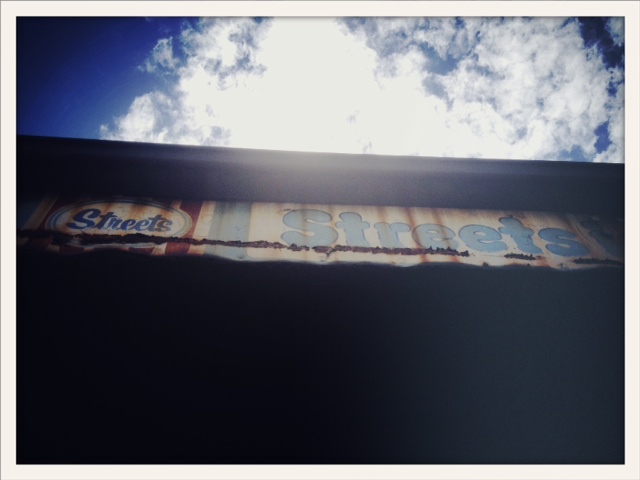
It is a typical Sydney day, all flouncing clouds and majestic gestures. A worker’s skirt howls up around her ears as if intent on escape; a toddler bawls as his saliva-stained dog-eared bunny hits the deck and the traffic contorts and writhes indecently, a honking stack of metal and frustration. Clouds flash past sickeningly, a heady mix of burnt coffee and frustration is smeared through the air, and a rusted Streets ice-cream sign frets in its tired housing.

4

2

Roger remains calm, an air of effusive gentility shrugged gently across his shoulders.

photo

Behind his head a reassuring sign reiterates that I am in the right place, bowed by the weight of eight pairs of tatty boots, old friends in need of a little love.

boots2

Roger has been here for 48 years. Right here in the heart of Redfern, without a care in the world. Obstreperous weather, traffic insurgency and the transgressions of tots bring on another beaming smile – he’s seen it all before, welcomes it even. Roger is in thrall to the vibrant life that this particular swarm of chaos signifies.

Survivor of a simpler life, Roger champions the Redfern of today too;

“I love the place, you know? It’s like a little country town in the middle of the city. Me? I’m a people person. Here, on the streets, I see the people, I talk, I make ’em smile… I never bin robbed of anything. If people die in another suburb no-one mentions it. If they die in Redfern, everyone talks. It’s a community, you know?”

3

38 years ago Roger’s shop was considered ‘high risk’, a risible description that sets him cackling with glee. The security firm forced Roger to install bars on the shopfront all those years ago. They would be unimpressed by his MO today, wandering out to go for a pee and leaving the shop open, unattended. But like he says, “who gonna want this stuff anyway? I got no money, I just got the leather and laces, you know?”

photo1

Redfern is far from the warm scent of cedar and hash, sun-hot bricks and spilling souks of Lebanon. But that was a lifetime ago. And Roger quite likes the Asian tang of the Vietnamese hot bread shop, the oily dredge of run-off that courses through the gutters, and the smell of his own leather.
He is quick to flatter and praise, a ladies-man with a silver tongue and a twinkle in his eye;

“For you da-ling, no problem, no worries! I fix ’em good, eh? Make you look even more good with new boots, good shine, no more so tatty eh?”

And Roger is as good as his word. I entrust my soles to ‘the man that can’ and watch as he tenderly runs his hands over the leather, stroking the history woven into each one. As  he hums softly to himself I read the other sign, proudly displayed next to the 70s mags and crumpled plastic cups:

6 2

The faded ink and cursive high-school flair does little to detract from the message: despite his ‘no tick’ policy, spelt out in texta, Roger is an all-round good egg.

The Greatest Show on Earth

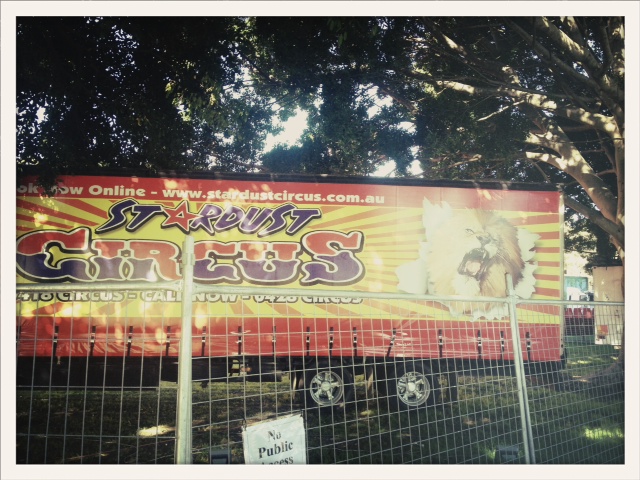
Marian is 78. The Tin Lid and I met her one morning as we were gazing at the lions that prowled and paced along their hurricane-fenced bit of pavement on a grimy stretch of the Princes Highway in that bit next to Tempe that has no name.

Proud, eclectic and dripping with the irreverence of a life less ordinary, the circus has come to town, set to run away with my imagination. The Big Top, resplendent in stripes, flies the Southern Cross while a tidy paddock is cordoned off as home, trailers and trucks bivouacking the perimeter.

This is Stardust, one of Australia’s last travelling animal circuses, a mongrel tribe of wanderers and their money-makers – ponies, peacocks, monkeys, big cats and sometimes llamas, when they feel like it.

Marian is quick to dish the dirt. She is the circus school teacher and responsible for a mob of yowling tin lids (and their education) when they are not learning how to ride a bare-back pony on one leg wearing a star-encrusted leotard and crimson lipstick, or drive a clown car with size 22 shoes…
This family-run affair is a curious hybrid. With all the hallmarks of scandal and intrigue, Stardust is the illegitimate offspring of two great circus families, the Lennons and the Wests.

Lyndsay Lennon and Jan West

When Lindsay Lennon married Jan West in 1989 they united their 11 offspring from two separate performing families and created Stardust. Beneath a clinging miasma of divorce and ‘lost persons’, two families became three… Five of the original West children and their families still perform with the circus while the others remain at Lennon Bros Circus and Webers Circus.

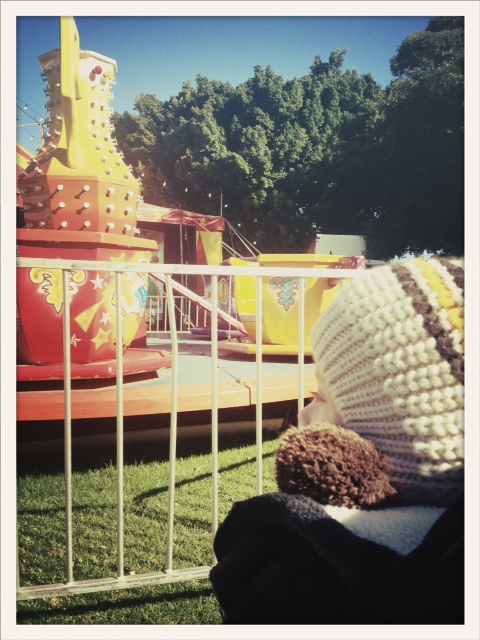
While the Tin Lid trips out on the teacups I am afforded the chance to dig around in the dirty daks of a notoriously tight-lipped mob. As we are talking, faces appear from trailers, the ‘nine-week-old one’ howls in indignation and ‘one of ’em Wests’ pops out for a gander.

It feels a little like jabbing Tony Soprano with a sharpened calzone… dangerous. It is a glimpse into a carnie life, the romantic idealism of a traveller’s journey grating hard against diesel-fumed mechanical beasts, the grind of flashing neon, the acrid primordial stench of wild animals and the lingering grease of stale popcorn.

12

On a wild, wintry day a lifetime later, we return, with longer legs and refreshed headgear. A year on and there is no sign of Marian. The “nine-month-old-one” is dangling from a fuel pump and scoffing fairy floss and the circus is harried by the elements, hunkered down, its glitter slipping a little.

13

Wide-eyed rugged-up tin lids are oblivious to the cold and the dire warnings of clown-assisted ejection for the use of ANY CAMERAS ANYWHERE in the Big Top.

15

The greyer among us sidle past carnies in hot-rock-pockmarked fleece,  iPhones smuggled beneath layers, trying to restrain the primordial surge of children under the influence of  sugar…

Frogmarched past tatty neon signs – that promise Photos with our lion cubs, just $40! Complete with souvenir Stardust frame! and conjure spangled memories of the 80s while re-igniting my inordinate fear of clowns – the Tin Lid curls himself into my silhouette, a bunny caught in the lights. Our seats clang as we sit and the air is streaked with greasepaint and nerves and the sound system bellows that classic “Showtime!” carnival music.

18

The moon-faced ringmaster is a smear of sequins wearing a sheen of bourbon and a glinting diamond ear-stud. He morphs in and out of spangle-frosted outfits, a dazzling array of gaudy gauzy bling, his grin skids the edges of leering and he emits the tarnished gold of shattered dreams.

10

But the show must go on…

Full-grown lions pad across the sawdust to an eerie echo of ‘oohs’. These majestic creatures inspire awe and revulsion and force a jagged debate about animal cruelty, protestors out the front in wild-animal onesies quick to denounce the circus and its ways. This is no open veldt, but to these eyes the lions seems utterly unfazed by the man in red, and do his bidding in their own sweet time in the knowledge they will be rewarded.

Burly men in blacks double as security and stagehands and keep a healthy distance from the big cats. Once back in the paddock, the rickety cages are ripped down and more than a few of the men head backstage to slip into something more comfortable. Like spandex…

This is undoubtedly family affair with a good degree of moonlighting. From toddlers to pensioners, all are involved and at the interval it is clear why. The circus inhales workers like a two-pack a day smoker inhales tobacco – with a wheezing dedication. The gravelly-voiced black-clad roadie in his 60s who serves me margarine-slathered popcorn later appears as the trapeze catcher, decked out in a lycra leotard split to the navel. The chick with the door list sports glitter-encrusted lids and dangly earrings that belie her night job and a clown is serving coffee, makeup intact.

8

Sisters, cousins, fathers, sons and lovers, with a grandparent or two thrown in for good measure, Stardust is entirely self-sufficient. From aerialists to monkey trainers, diesel mechanics to fluffy-toy sellers, no outsiders are required.

Father and son acrobats come complete with regulation pointy toes and are adept at the old throw an orange in the air and spear it on a spike on your chin routine. Lascivious clowns entertain with overly expressive groin movements and Orwellian pigs are obligingly human. A shetland pony sculls a bottle of goon while perched on an armchair and pretty ladies clad in the best stripper gear money can buy gyrate to the strains of I’m a good girl…

6

The Tin Lid has uncurled himself and is spellbound.

9

Before trying his hand at a little balancing action…

7

The performances have a simplicity to them that is endearing, a ‘time-gone-by’ relapse that is as feelgood as a random episode of Kingswood Country. As the sound crescendos we are remind that “if it’s too loud, yer too old”, before the stars of the show are introduced, a litany of Shae, Shania, Shakira and Mephis, Roxanne, Wonona, Wonita, Dakota, Cassius, Kevin, the seven-year-old plant, and a pony called Shazaam.

The finale features a trapeeze net that unfurls to the highest reaches of the Big Top. It is a thing of ethereal beauty, made from entirely natural fibres and slung low and heavy. It looks out of place in this unnatural world, but as neon forms flip and turn in the air above it, grazing bellies on the canvas roof, the net comes into its own.

16

This a disparate extended family that exists for each other. Of her children’s decision to stay with the circus, matriarch Jan has been quoted as saying:

“I’ve not forced any of them to stay, not that you could even if you wanted to, but they’ve all chosen this life, and they all work hard and take the bad with the good.”

A different breed, they have been bred to populate Stardust and, like the animals they perform with, their lives are entangled in the lore of the road, in the star-spangled roar of the show and the closest-knit bonds of a very family affair.

11

Is it rude to ask what flavour?